
Home / All
Blog
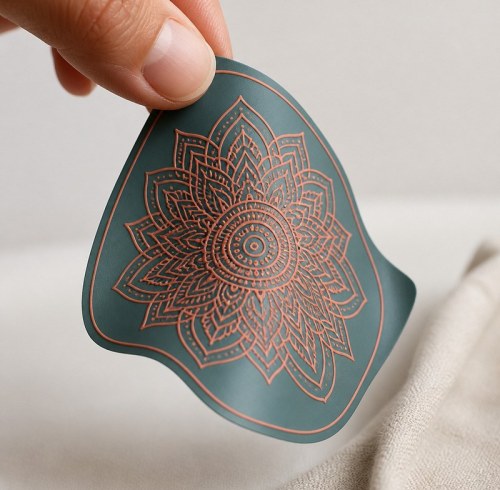
 Small Silicone Logo Design on Clothing: How to Keep Thin Lines Visible?Oct 9,2026Thin lines in a small moulded silicone logo disappear for geometry reasons, not printing reasons. This article explains which features fail first, how to adjust artwork before tooling, how material and surface finish change what the eye can see, and what to check on a sample at final size.
- How Small Can a Small Silicone Logo Be on Clothing?Oct 9,2026There is no single minimum size for a silicone logo on clothing. The practical limit is set by the smallest feature in the artwork. This article covers what determines that limit, how artwork should change as the logo shrinks, and how to find and validate the smallest feasible size.
- Why Does a Silicone Heat Transfer Label Fail on Stretch Fabric?Oct 9,2026Edge lifting, cracking and post-wash detachment on stretch fabric are different faults with different causes. This article explains how elastic recovery loads the bond line, how to identify the failure interface, and how to reduce risk before bulk production.
- How Does Fabric Type Affect Small Silicone Patch Adhesion?Oct 9,2026A small silicone patch that works on one garment fabric may lift or detach on another. This article separates the fabric properties that matter, explains why patch geometry changes the adhesion question, and sets out a compatibility assessment workflow.
- Silicone Heat Transfer Label on Polyester: What Causes Peeling?Oct 9,2026Peeling is a symptom, not a diagnosis. This article explains what the peeling pattern tells you, the causes that actually apply to polyester, how to separate fabric, label and process factors, and how to prevent peeling before bulk production.
- Uneven Carbon Pill Distribution in Industrial Remote Silicone Keypads: How Molding Process Affects Contact Resistance ConsistencyOct 6,2026Two keys on the same keypad can read 90 ohms and 400 ohms while both pass continuity. This article traces uneven carbon pill distribution back to pre-form positioning, closing pressure, cavity alignment and cure uniformity, separates mould causes from PCB and assembly causes, and sets out how to record resistance as a distribution across a production batch instead of a single pass or fail value.
- Hydrolytic Aging of Coffee Machine Silicone Keypads in Steam: Hydrolysis-Resistant Food-Grade Formulation and Hardness ShiftOct 6,2026Coffee machine keypads rarely fail outright, they just stop feeling right. This article separates temperature resistance from hydrolytic resistance, explains why repeated steam cycling differs from steady dry heat, sets out how hardness and compression set change the felt force, and gives a formulation and mold design checklist plus a practical post-aging evaluation sequence.
- Tear Strength Deficiency in Ultra-Thin Hearing Aid Silicone Keypads: Anti-Tear Formulation and Mold Design at 0.2 mm Wall ThicknessOct 6,2026At a 0.2 mm wall section a 0.03 mm deviation is a 15 percent thickness change, and demolding becomes the dominant load case. This article locates where tearing actually starts, explains why tensile strength does not predict tear behaviour, and sets out the geometry, mold, material and process actions that improve thin-section durability, with a validation set for prototype approval.
- Sebum Penetration and Tackiness in Massage Chair Hand Controller Silicone Keypads: Surface Coating Crosslink Density and Stain ResistanceOct 6,2026A hand controller is held for half an hour at a time, which makes surface chemistry a design variable rather than a cosmetic detail. This article separates surface contamination from material penetration, explains why bulk Shore hardness cannot predict surface tackiness, compares coated, textured and uncoated silicone, and gives a controlled sebum and cleaning-cycle validation sequence.
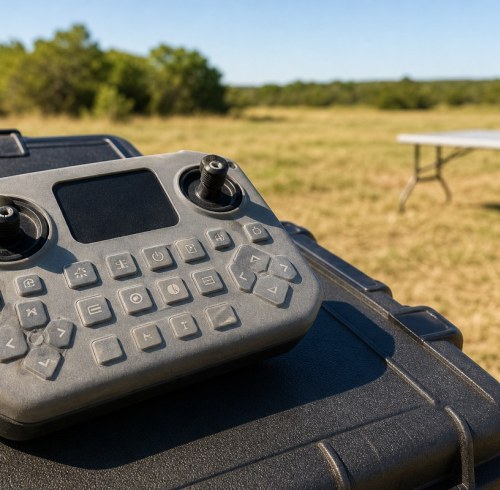
- Tactile Hardening in Drone Remote Silicone Keypads After UV Aging: Long-Term Effects of Weather-Resistant Formulation on Crosslink Density and ReboundOct 6,2026A keypad can pass a UV test and still be rejected by the pilot, because hardness and tactile feel are different measurements. This article explains how UV exposure changes the network near the surface, why geometry amplifies a small material change, and sets out a validation workflow that compares force-displacement curves on aged parts against retained unaged reference samples.
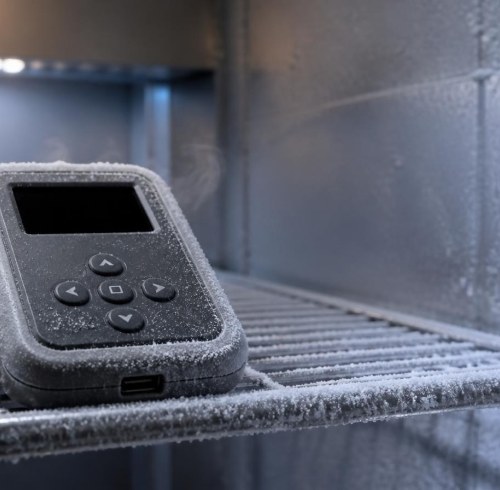
- Silicone Keypad Brittle Failure at -30°C in Cold Chain Data Loggers: Low-Temperature Flexibility Formulation and Rebound RetentionOct 5,2026A keypad that feels crisp at 23°C can turn stiff at -30°C, and it can lose rebound long before it ever cracks. This article separates reversible low-temperature hardening from permanent damage, then works through formulation, membrane and return-leg geometry, housing compression, and a cold-condition test sequence that measures the finished keypad instead of a flat test sheet.
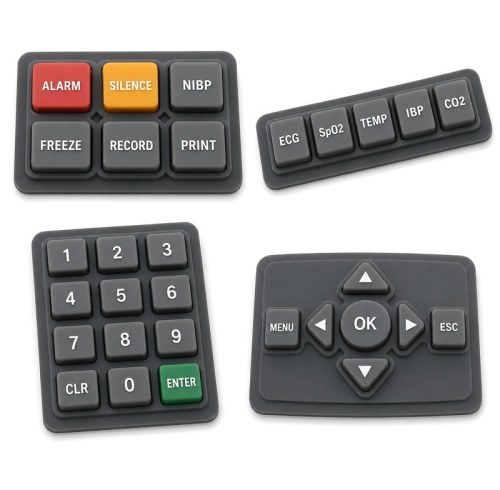
- Antimicrobial Silicone Keypads for Patient Monitors: The Hidden Impact of Silver-Ion Additives on Hardness and ReboundOct 5,2026Antimicrobial additives go into the same matrix that has to act as the key's spring. Hardness may stay inside tolerance while elastic recovery moves enough for users to notice. This article explains why, and sets out a comparison method that measures hardness, rebound and actuation force against a control part before tooling.




Are you looking for a rubber and plastic product customization solutions manufacturer?
We can quickly provide customers with market analysis, technical support and customized services.Sign Up Out Newletter
Contact Person
