
Home / All
Blog
 Electric Screwdriver Silicone Keypad Durability Issues in Dusty Workshop ConditionsSep 15,2026Dust does not pass through moulded silicone; it travels around it, and a keypad strokes its own cavity on every press. That pumping action, rather than abrasive wear, is what changes how a screwdriver keypad feels after two years in a workshop.
- Angle Grinder Silicone Keypad Failure Problems in High-Vibration Working EnvironmentsSep 15,2026On a vibrating grinder the silicone rarely tears. What changes is contact closure, flange retention and key rest position. Three failure mechanisms need three different fixes, and one qualification test catches all of them.
- How to Improve Angle Grinder Silicone Keypad Resistance to Dust and Abrasive ParticlesSep 15,2026Abrasion removes material from a keypad; dust ingress puts material inside it. They need different fixes, and on a grinder the harder compound that answers the first usually makes the second worse.
- Angle Grinder Silicone Keypad Surface Printing Wear and Identification ProblemsSep 15,2026Legend failure on a grinder keypad is three mechanisms wearing one label: friction, chemical attack and adhesion loss. They need different fixes, and identification should never depend on any of them.
- Stair Climber Silicone Keypad Button Layout Considerations for Compact Workout ConsolesSep 14,2026A stair climber console is used by somebody who is already moving, so the layout decides whether the panel is safe to operate. This article looks at why a desktop grid does not transfer, how to cluster keys by use phase, what pitch and bridging webs do to a diagonal press, and how a five-key level strip started firing two levels at once.
- Stair Climber Silicone Keypad Button Travel and Tactile Response ExplainedSep 14,2026Travel on a stair climber keypad is a budget, not a fixed dimension: assembly preload, ambient temperature and uneven press counts all spend it. This article separates working travel from overtravel, explains the return force floor that drawings usually omit, and shows how a six-key programme panel went flat on only two keys.
- Stair Climber Silicone Keypad Surface Finishes for High-Frequency Button UseSep 14,2026One word, matte, is doing three jobs on a stair climber keypad: appearance, legend wear and backlight transmission. This article separates mould texture, legend system and top coat, explains why wear concentrates at the thumb patch rather than across the keytop, and follows a panel that polished before its legends failed.
- 2026 StairClimber Silicone Keypad Design Trends: Backlit, Low-Profile, and Anti-MistouchSep 14,2026Backlit, low-profile and anti-mistouch are not a design language but three answers to the modern cardio console becoming a lit, flat, load-bearing shelf. This article explains the light path versus seal trade, why low profile forces a steeper force transition, and why mistouch is a geometry problem that firmware can only mask.
- Why Do StairClimber Silicone Keypad Quotes Vary by 3x? Materials, Molds, and Yield ExplainedSep 14,2026Three quotes for one stair climber keypad rarely differ by margin. They differ by tolerance class, whether the tool is included, which secondary operations are inside the price, whether material documentation is provided, and whether force is verified on the assembled panel. This article shows which lines to compare before ordering.
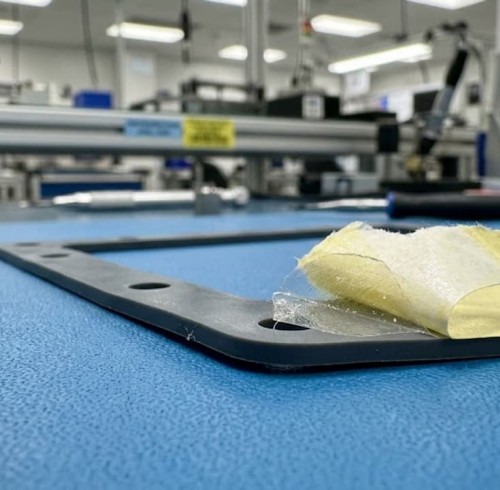
- Adhesive Backing for Silicone Gaskets: How to Choose the Right Tape (and Why Yours Keeps Peeling)Sep 11,2026Silicone gaskets are rated to 200 C, but the backing tape behind them often is not. This guide compares 3M 9448A, 467MP and 9472LE by substrate, thickness and temperature, explains why untreated silicone will not hold an adhesive, and shows how primer application decides whether the bond survives.
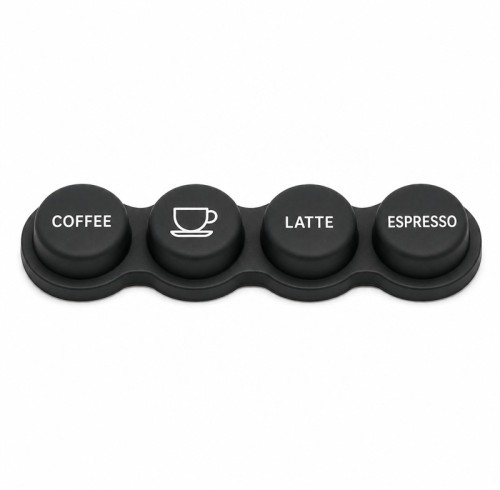
- What Makes a Good Control Silicone Button for Commercial Coffee Machines?Sep 11,2026A commercial coffee machine keypad fails on the cleaning routine, not on the brew cycle. This article looks at what the service documentation of real espresso machines shows, why actuation force is a cleaning parameter, where food-contact and durometer standards apply, and how to test a control silicone button as an assembled panel rather than a loose moulding.
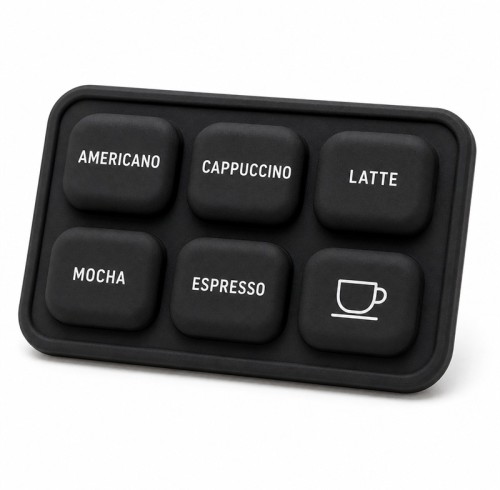
- Why are soft silicone buttons suitable for commercial beverage equipment?Sep 11,2026Soft silicone buttons are not chosen for comfort on beverage equipment. Softness buys travel, seals the fascia and keeps a conductive force cone alive, but only if a return-force floor is specified. A look at the architecture, the force budget and the actual curve behind a commercial beverage panel.

Are you looking for a rubber and plastic product customization solutions manufacturer?
We can quickly provide customers with market analysis, technical support and customized services.Sign Up Out Newletter
Contact Person
