
Home / All
Blog
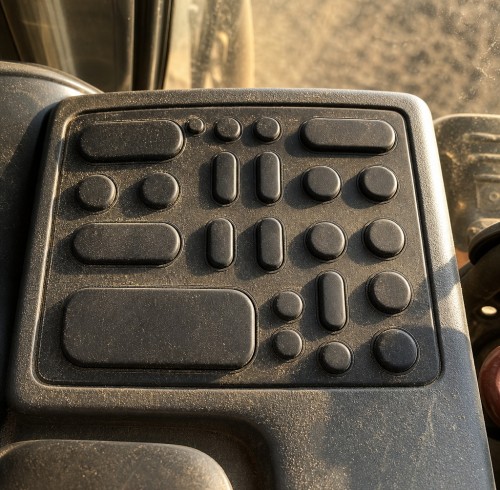
 Silicone Rubber Buttons for Heavy Equipment: Improving Glove-Friendly OperationSep 18,2026Gloved operation fails between two limits: force high enough that a padded finger feels the detent, low enough that the same finger does not fire the neighbouring button. This article treats the gloved finger as a wider, softer, less sensitive actuator and follows the consequences through button geometry, web stiffness, travel, spacing and surface identification. It also covers how glove type changes the target and the design mistakes that make panels awkward with gloves on.
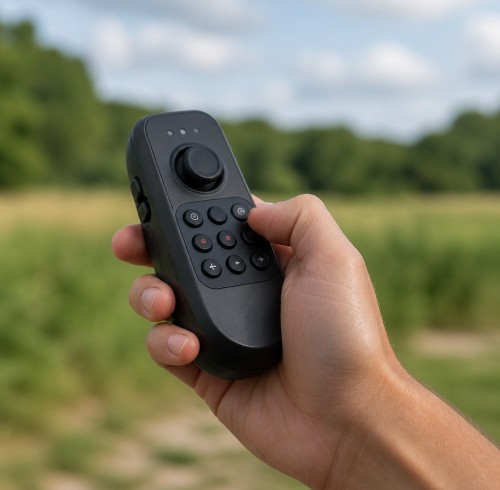
- Silicone Buttons for Drone Gimbal Controllers: Tactile Feedback in Compact DesignsSep 18,2026On a compact gimbal controller the operator's eyes are on the camera feed, so the keypad has to carry identification and confirmation by itself. This article develops that blind-operation argument: why identical buttons stop being interchangeable once spacing shrinks, how shrinking a button changes force and travel behaviour, how web thickness sets the feedback, and how FPC or PCB contact layout decides whether a small button closes cleanly at the edge of its travel.
- Tractor Control Panel Silicone Buttons: Selecting the Right Tactile ForceSep 18,2026Tactile force is often written on a drawing as a single number, yet what the operator feels is a curve: the rise to the actuation peak, the snap-through drop, the contact closure point and the release on the way back. This article explains how hardness, button geometry, web thickness, conductive contact position and housing compression shape that curve, why different functions on one panel may deserve different force targets, and how to evaluate force on samples in realistic conditions.
- Digital Level Silicone Keypad Contact Misalignment: Why Carbon Pills Fail to Match PCB PadsSep 17,2026Carbon pill to PCB pad misalignment is an interface problem, not a carbon material problem. This article breaks down how a digital level silicone keypad closes a circuit, why pills and pads drift apart during design and assembly, how the tolerance stack-up across keypad, PCB and housing sets the real alignment range, and which inspection and first-article steps catch a marginal contact before tooling is committed.
- Digital Level Silicone Keypad Dome Height Tolerance and Inconsistent Button ResponseSep 17,2026Dome height sets how a silicone keypad button feels, when the carbon pill reaches the board, and how much force it takes to get there. This article covers reference planes, dimensional against functional tolerance, force displacement curves, the molding causes of height drift, inspection order, and the stack up that decides whether a digital level keypad feels even once the housing is closed.
- Digital Inclinometer Silicone Keypad Carbon Contact Wear After Repeated Button PressingSep 17,2026Carbon contact wear in a digital inclinometer keypad is a system problem, not a pill problem. This article traces how repeated off-center presses polish and erode the conductive pill face, how to tell abrasive wear from plasticizer, flux or skin-oil contamination, which design and PCB layout variables set the wear rate, and how to run a life test that follows contact resistance across cycles instead of measuring it once at the start.
- Digital Inclinometer Silicone Keypad Seal Geometry Around Buttons and Housing OpeningsSep 17,2026A compact digital inclinometer keypad has to seal the housing opening and still let every button move freely. This guide works through cap clearance, sealing lip compression, housing opening size, internal supports, tolerance stack-up, and the measurements that show which side of the trade-off a prototype is on before tooling is cut.
- Electronic Level Silicone Keypad Button Alignment Problems During PCB AssemblySep 16,2026Button alignment between a silicone keypad and a PCB is usually decided long before assembly. This article works through the causes of misalignment in electronic level keypads, how plunger and contact geometry interact, which PCB and housing drawings a keypad maker needs, how tolerance stack-up behaves across three moulded parts, and the assembly checks that catch a mismatch while it is still cheap to fix.
- Digital Inclinometer Silicone Keypad Integration Problems in Compact Instrument EnclosuresSep 16,2026Compact digital inclinometers leave very little room for a keypad, and the problems that appear during assembly are dimensional rather than electrical. This article covers keypad-to-enclosure fit, button position against PCB contacts, thickness and compression space, locating features, material hardness, and the prototype checks worth running before tooling.
- Electronic Level Silicone Keypad Durability Problems in Outdoor Measuring EquipmentSep 16,2026Silicone keypads on outdoor electronic levels rarely fail all at once. They lose snap, then legend contrast, then contact consistency. This article examines the durability mechanisms behind those changes, the material and structure choices that influence them, and how prototype testing can expose them before a production run does.
- Digital Inclinometer Silicone Keypad Sealing Challenges for Dust and Moisture ProtectionSep 16,2026A silicone keypad is one part of an enclosure protection system, not a seal on its own. This article looks at where dust and moisture actually enter around a digital inclinometer keypad, how keypad geometry and compression interact with housing design, and what prototype testing can and cannot demonstrate.
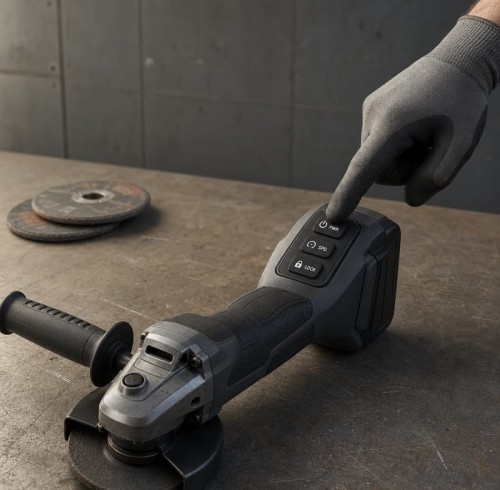
- Key Design Challenges of Silicone Buttons for Angle GrindersSep 15,2026Angle grinder keypads fail on paper long before they fail in the field. Four design conflicts decide the outcome: glove force against accidental actuation, a shallow handle against required travel, legend density against gloved finger size, and sealing against the tool's own abrasive dust.
Are you looking for a rubber and plastic product customization solutions manufacturer?
We can quickly provide customers with market analysis, technical support and customized services.Sign Up Out Newletter
Contact Person
