
Home / All
Blog
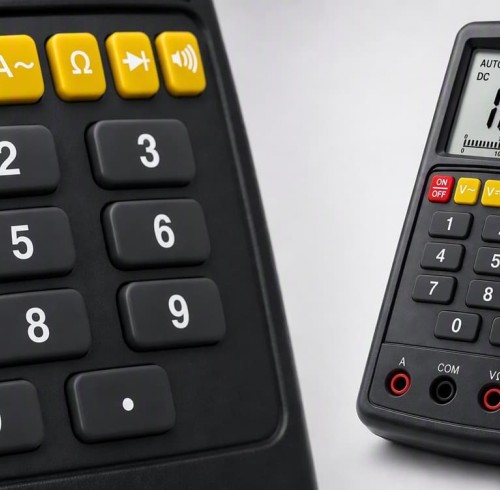
 What Handheld Meter Engineers Overlook When Specifying a Silicone KeypadAug 25,2026A practical specification guide for handheld meter silicone keypads: contact system, actuation force, legend durability, tolerances and the DFM details that decide field reliability.
- How to Choose Between Carbon Pill and Conductive Ink for MIDI Silicone Keypads?Aug 24,2026MIDI silicone keypads fail when ink wears on black keys, shifting velocity. Carbon pills stay stable over 5M cycles. Choose wrong, and your controller feels dead. Real test data inside.
- Backlight Bleed and Uneven Glow: Solving LED Diffusion in MIDI Silicone KeypadsAug 24,2026Hotspots, light bleed, and dim zones ruin silicone keypad backlighting. The root cause isn't the PCB—it’s the MIDI silicone keypad pad. Material choice, plunger geometry, and surface texture control uniformity. Solve it at the rubber level.
- Can different legend processes be used for buttons of different usage frequencies on the same silicone keypad?Aug 21,2026Yes, you can mix laser etching and silk‑screen printing on the same silicone keypad to save costs. Success depends on compatible sequences, adhesion validation, and a final topcoat. Best for high‑volume products with clear usage skew.
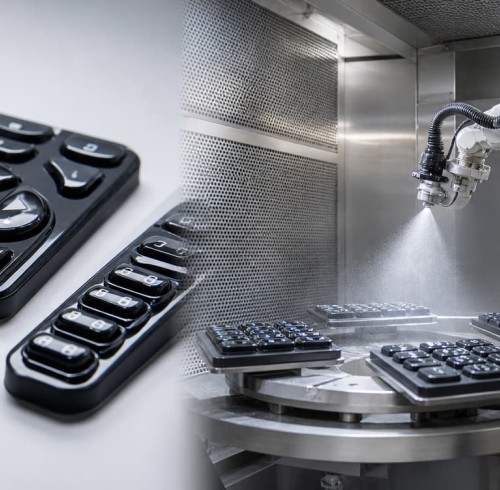
- Glossy Silicone Keypad: Mirror Mold vs Coating MethodsAug 21,2026Compare mirror mold and coating methods for glossy silicone keypad. Learn real-world performance, cost, and durability trade-offs to choose the right finish for your product.
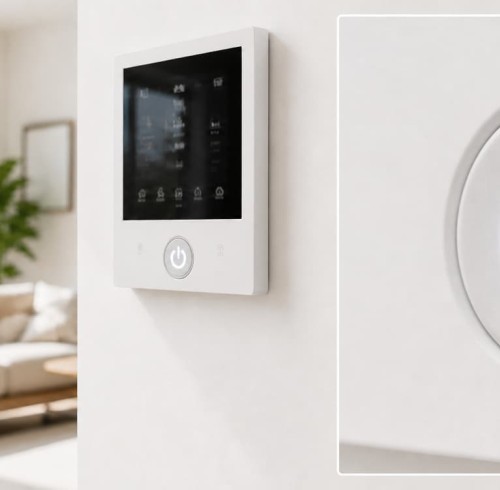
- Silicone keypads for smart home device: backlight failure in thin designAug 21,2026Miniaturized silicone keypads for smart home devices kills backlight uniformity. Coating variations ruin laser‑etched legends, creating hot spots and illegible symbols. Real cases from Germany and California prove that fixing requires calibrated laser parameters and optical redesign—not generic manufacturing. Without DFM and rapid prototyping, thin designs fail
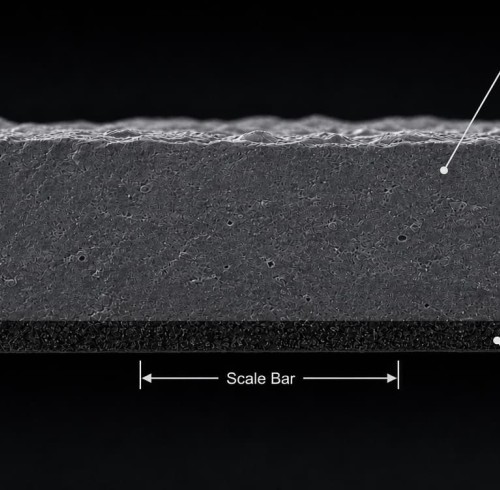
- Case Study: 22% Conductive Silicone Keypad Failure from Edge ThinningAug 21,2026A real production case where a 22% field failure rate was traced to edge keys on a conductive silicone keypad printing only 5µm thin. Average thickness specs masked the weak spots until heat and humidity triggered intermittent contact failures. The fix: measure every key position and test under real environment.
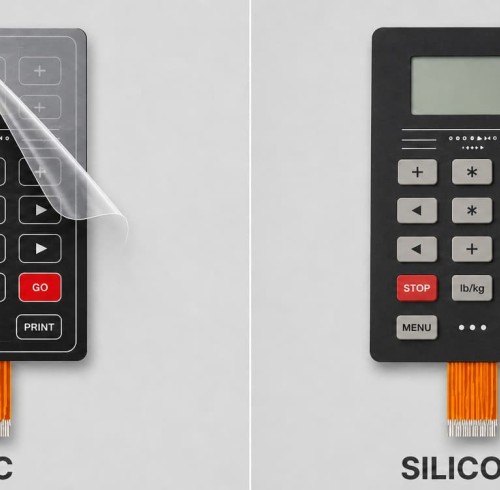
- Silicone Membrane Switches vs. PVC: Material Selection, Process Options, and Long-Term Performance for Instrument PanelsAug 20,2026Silicone membrane switches outperform PVC in thermal cycling and chemical resistance, eliminating curling and fading. Two options: screen-printed with PU coating or overmolded multi-color solid silicone legends. Overmolded offers permanent legends and premium tactile feel, reducing long-term costs despite higher tooling. FromRubber provides custom solutions for industrial and medical OEMs.
- Age-friendly silicone keypad design for 1.2B elderly—a case study of electric wheelchair silicone keypadsAug 20,2026Electric wheelchair silicone keypads fail aging users. We share force, size, feedback rules from real projects – 0.8–1.2N, 20–25mm, laser engraving, multimodal feedback. Practical guide for age‑friendly instrument design.
- Conductive ink thickness vs. contact impedance on handheld tester silicone keypads—molder SPC feedback protocolAug 20,2026Thickness variation in conductive ink creates non-linear impedance shifts on handheld tester silicone keypads. Position-specific SPC limits, cross-section checks, and real-time feedback cut failure rates from 9.7% to 2.3% without material changes. Manage edges, not averages.
- When Touchscreens Fail on the Factory Floor – Why Physical Silicone Keypads Remain Essential for Process InstrumentsAug 18,2026Touchscreens struggle in harsh plants with gloves, moisture, and contaminants. Physical silicone keypads deliver reliable tactile feedback, reduce errors, and improve safety. FromRubber designs custom rugged keypads for demanding industrial environments, ensuring operators stay productive and confident.
- When the Elements Attack – How Silicone Keypads Defend Industrial Instruments?Aug 18,2026Silicone keypads outlast metal-dome switches in corrosive, humid, and vibrating industrial settings. Encapsulated conductive pills eliminate exposed metal, ensuring reliable operation for years—cutting maintenance and downtime. FromRubber delivers custom, rugged keypads engineered for extreme conditions.



Are you looking for a rubber and plastic product customization solutions manufacturer?
We can quickly provide customers with market analysis, technical support and customized services.Sign Up Out Newletter
Contact Person
