
Silicone Product Applications
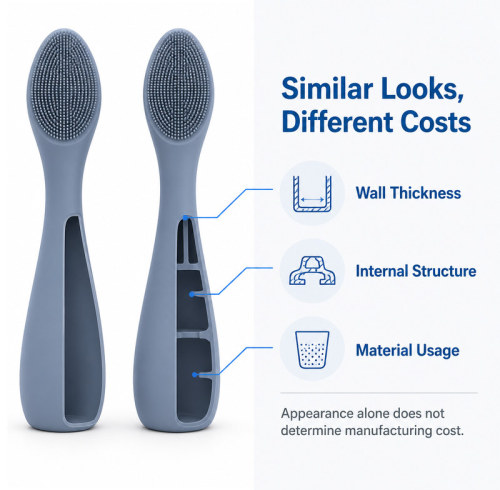
 Why Are Silicone Makeup Tool Quotes Different Even When Product Designs Look Similar?Nov 9,2026Two silicone makeup tool designs can look the same and still quote far apart. Compare compound grade, shot weight, cavity plan, finishing and the written tolerance class.
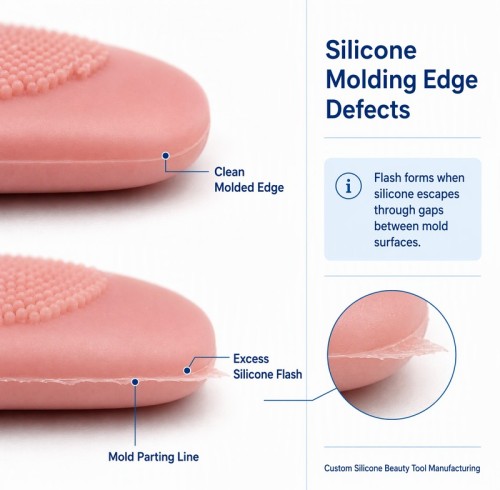
- Why Do Silicone Makeup Tools Develop Uneven Edges or Flash After Molding?Nov 6,2026Flash and uneven edges on silicone makeup tools come from a pressure balance between cavity, parting surface and press, not from one defective mould. Covers how flash forms, why edge quality varies between batches, how mould design limits it, and what buyers should confirm before tooling.
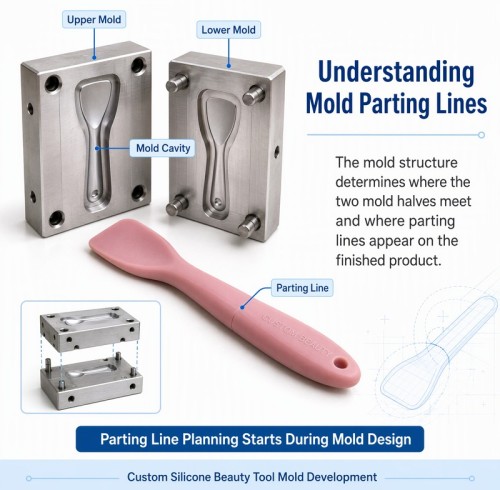
- How Do Mold Design and Parting Lines Affect the Appearance of Silicone Beauty Tools?Nov 6,2026A parting line is a design output, not a toolmaking accident. Covers how mould structure fixes where the seam appears, how surface finish reads on the finished part, why undercuts constrain placement, and what to review before steel is cut.
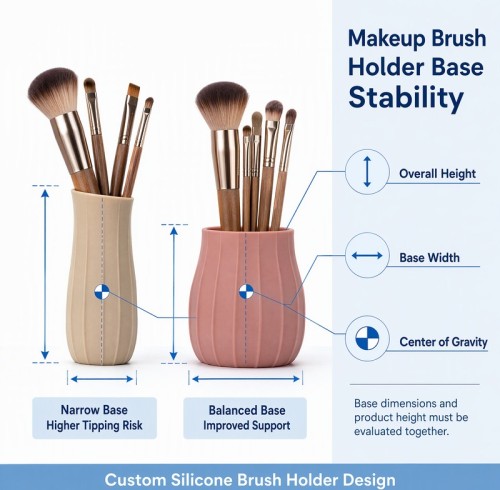
- How Should Silicone Makeup Brush Holders Be Designed to Prevent Brushes from Falling Over?Nov 6,2026Stability depends on the loaded centre of gravity, not the moulded height of the holder. Covers how brush height, base footprint, opening diameter and silicone hardness interact, plus a practical test routine for samples.
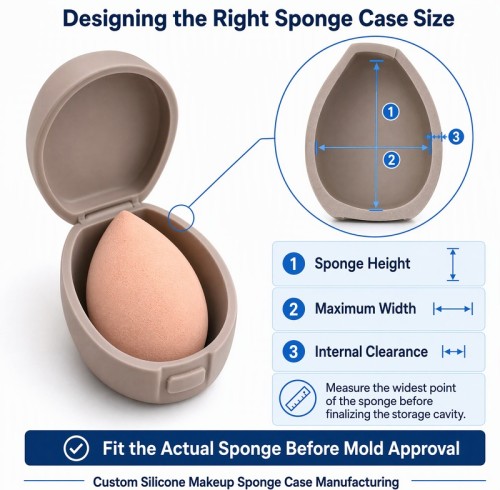
- How to Design Silicone Makeup Sponge Cases for Travel and Daily Storage?Nov 6,2026A sponge case is a small climate, not just a container. Covers cavity sizing from the sponge's widest point, ventilation that does not weaken the shell, closure options in repeated use, and how wall thickness decides whether a case protects or compresses.
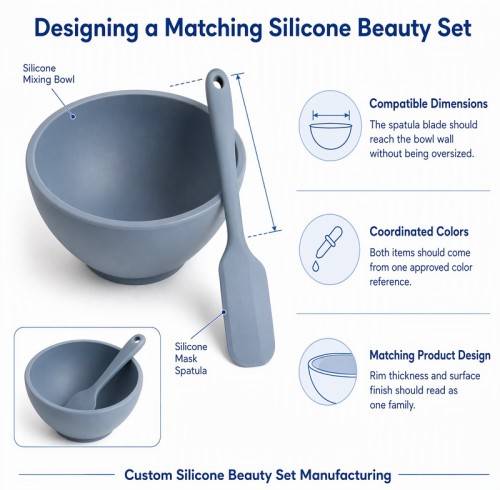
- How to Design Silicone Face Mask Mixing Bowls and Spatulas as a Matching Beauty Set?Nov 6,2026A mask set works when the bowl sets the spatula's working width. Covers bowl capacity and inner geometry, spatula blade proportion and edge shape, where the two parts may differ in hardness, and why a set needs two moulds and paired validation.
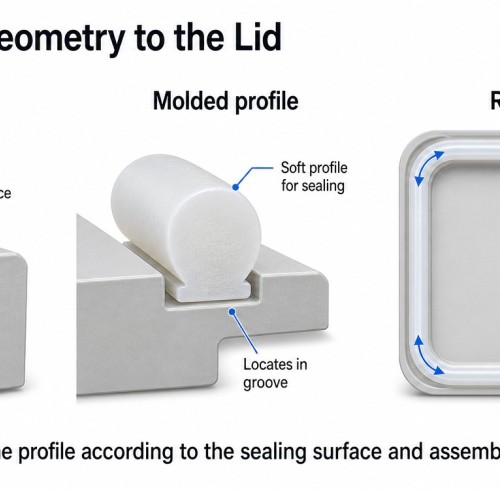
- Silicone Gaskets for Food Containers: How to Achieve a Reliable Lid SealNov 5,2026A lid can close properly and still leak. This article traces the failure to three causes - uneven contact, missing compression and gasket migration - then works through gasket geometry, hardness, food-contact material choice and sample approval for custom food container gaskets.
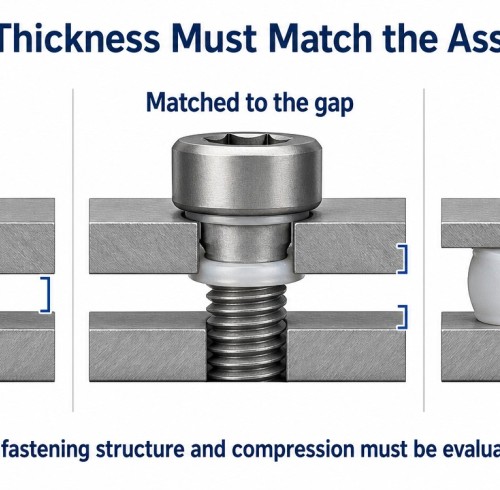
- Why Do Silicone Washers Leak Around Screw Connections? Hole Size, Thickness and Contact PressureNov 5,2026Silicone washers seal an annulus, not a disc. This article explains how bore size removes sealing area, why thickness is set by the assembly gap rather than the part, and how to trace a leak around a screw before changing the washer design.
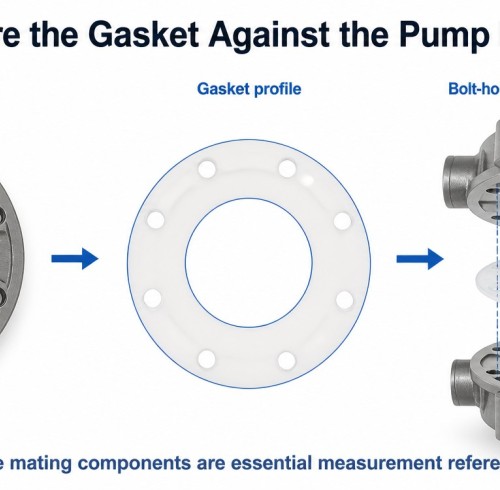
- Silicone Gasket Dimensions for Water Pumps: How to Specify Inner Diameter, Outer Diameter and ThicknessNov 5,2026Pump gaskets are usually sized from a used part, which has already swollen and taken a set. This article sets out how to read the sealing land, bolt circle and closed gap, and why gasket thickness belongs to the axial stack.
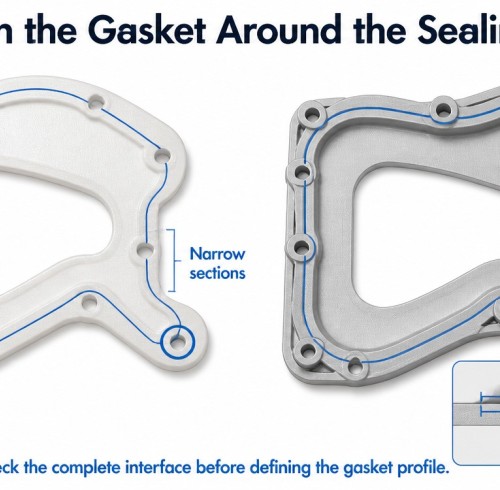
- Industrial Silicone Gaskets for Equipment Covers: How to Design Custom Shapes for Complex InterfacesNov 5,2026Irregular covers fail because the gasket is drawn to the cover silhouette instead of the machined land. This article covers the two-line test, bolt interruptions, stepped surfaces, compression variation across a large cover and how to verify a sample in the real assembly.
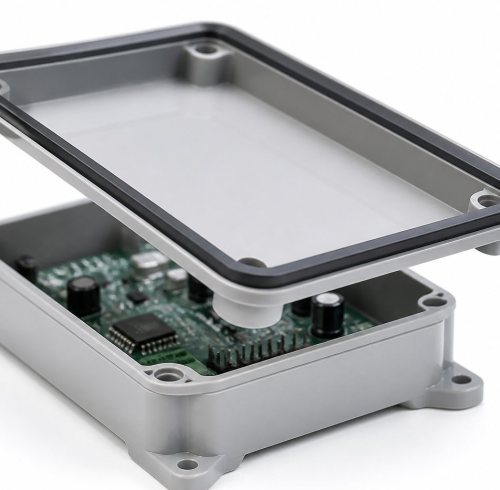
- Custom Silicone Gaskets for Waterproof Electronic Enclosures: Design Requirements and Sealing IssuesNov 4,2026Waterproof electronic enclosures rarely fail because of the silicone. They fail because the cover, the screw layout and the gasket are designed as separate parts. This article looks at where enclosure gaskets actually leak, how compression should be treated as a window rather than a target, why corner geometry matters more than compound choice, and what to measure before a mould is cut.
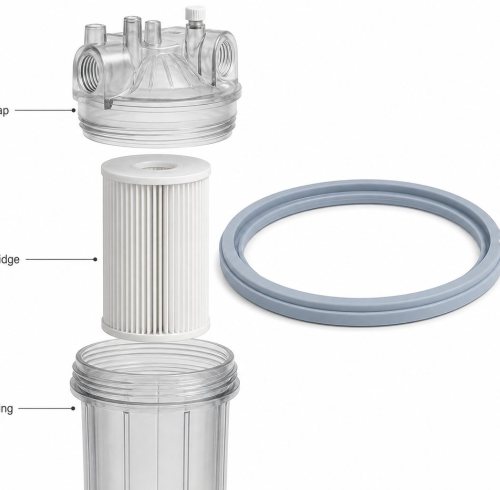
- Silicone Gaskets for Water Filter Housings: How to Prevent Leakage at the ConnectionNov 4,2026A filter housing is sealed by a gasket that the customer installs, often with wet hands and no torque wrench. That single fact explains most leaks after a cartridge change. This article covers the three sealing interfaces in a housing, why fill ratio matters more than compound, how over-tightening flattens a ring, and what dimensions to send with an enquiry.

Are you looking for a rubber and plastic product customization solutions manufacturer?
We can quickly provide customers with market analysis, technical support and customized services.Sign Up Out Newletter
Contact Person
