
Silicone Keypad Technology
 What solutions exist for UV and salt spray protection in outdoor equipment silicone keypads?Jan 9,2026Advanced UV-stabilized silicone compounds, protective topcoats, and sealed designs provide robust protection against UV degradation and salt spray corrosion for outdoor equipment silicone keypads, ensuring long-term durability and reliability in harsh environments.
- How to design a quiet and durable silicone keypad for consumer electronics?Jan 9,2026Designing quiet, durable silicone keypad requires a holistic approach combining material science, precision engineering, and rigorous testing. Key strategies include selecting specialized silicone compounds with noise-damping additives, optimizing dome geometry for minimal sound generation, and controlling manufacturing parameters for consistency. A balance of actuation force, travel distance, and tactile feedback is critical for user experience.
- Why might a silicone keypad detach from the panel, and how to choose the right back adhesive?Jan 8,2026This comprehensive guide examines silicone keypad detachment causes and adhesive selection strategies. It analyzes key failure mechanisms including surface energy mismatch, silicone migration, and thermal expansion issues. The article provides detailed adhesive comparison tables, surface preparation protocols, and practical selection criteria for optimal bonding performance in various applications.
- Why do silicone keypads require prototype molds? And what is the cost of the prototype mold?Jan 8,2026Silicone keypad prototype mold are essential for silicone keypad development, enabling functional testing and design validation before mass production. This guide explains their importance and details cost factors including mold type, complexity, and materials. Understanding these investments helps optimize design decisions and avoid expensive production tooling modifications.
- How can you improve the tactile response or prevent a slow rebound in silicone keypads?Jan 6,2026To improve silicone keypads tactile response and prevent slow rebound, optimize material properties (40-60 Shore A hardness, ≥95% recovery), refine dome geometry (0.3-0.6mm height), and control manufacturing processes. These solutions ensure crisp feedback and rapid key return for enhanced user experience.
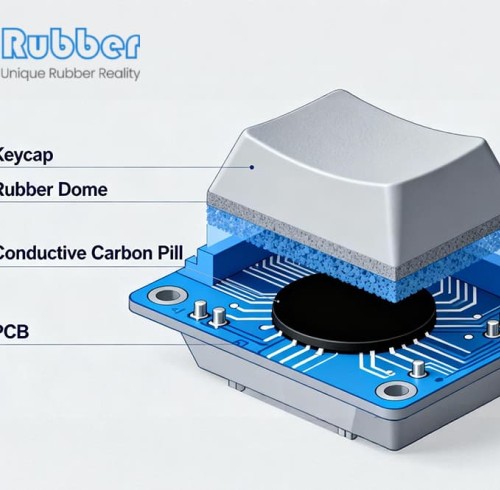
- Why is the resistance of a conductive pill in the silicone keypad unstable or too high?Jan 6,2026This comprehensive analysis explores the root causes of unstable or high resistance in conductive pills within silicone keypads, covering material inconsistencies, manufacturing flaws, environmental impacts, and design limitations. It provides detailed technical solutions and industry best practices for achieving reliable, low-resistance performance in electronic applications.
- What are the differences between laser etching, screen printing, and dome printing of silicone keypad?Jan 3,2026This guide compares three silicone keypad printing technologies: laser etching for permanent, durable markings; screen printing for vibrant, multi-color designs; and dome printing for protected, long-lasting graphics. Each method offers unique benefits for different applications, budgets, and durability requirements
- What are the main cost components for custom silicone keypads?Dec 25,2025This comprehensive guide details the main cost components for custom silicone keypads, including tooling, materials, labor, and secondary processing. It explains how design complexity and order volume impact pricing, offers cost-saving strategies, and provides a transparent breakdown to help buyers budget effectively and make informed sourcing decisions.
- What causes a silicone keypad to stick or not return after being pressed?Dec 25,2025This technical article analyzes the root causes of silicone keypad sticking and non-return failures. It examines material issues like compression set and surface tackiness, design flaws in dome geometry, manufacturing defects, and environmental factors. The guide provides troubleshooting steps and prevention strategies, highlighting specialized solutions for reliable keypad performance.
- 5 Signs You Need a New OEM Rubber Keypad SupplierNov 12,2025Discover the 5 signs that indicate it's time to replace your OEM rubber keypad supplier. This comprehensive guide examines consistent quality issues, unreliable delivery schedules, limited customization capabilities, unjustified cost increases, and poor technical support. Learn how to identify supplier deficiencies that could be compromising your product quality and business performance. Understand when to make the strategic decision to find a new manufacturing partner who can meet your
- How to Design a Custom Rubber Button: Checklist for Shape, Texture, and Tactile FeedbackNov 11,2025This comprehensive guide details custom rubber button design, focusing on three critical elements: shape, texture, and tactile feedback. The article covers material properties, manufacturing considerations, and solutions to common design challenges, helping engineers create high-performance rubber buttons for medical devices, industrial controls, and consumer electronics applications.
- It Is Time To Replace Your Rubber Keypad!Nov 7,2025Proactive replacement of deteriorating rubber keypads is always more cost-effective than dealing with the consequences of complete failure. When your equipment's interface shows signs of wear, it truly is time to replace your rubber keypad.




Are you looking for a rubber and plastic product customization solutions manufacturer?
We can quickly provide customers with market analysis, technical support and customized services.Sign Up Out Newletter
Contact Person
