Cost difference: plastic button vs. silicone button for electric toothbrush
When designing an electric toothbrush, the buttons are more than just an afterthought — they directly affect the user experience, waterproofing, manufacturing cost, and brand perception. Two dominant technologies compete: traditional plastic buttons (hard ABS/PC with mechanical switches underneath) and integrated silicone keypads (seamless rubber interface). Which one actually costs less when you factor in tooling, assembly, failure rates, and customer returns? Based on FromRubber's 15+ years supplying silicone buttons for personal care products, this analysis breaks down the real cost difference for electric toothbrush manufacturers.
- Discrete plastic keycaps + rubber boot + mechanical switch
- Multiple components, multiple assembly steps
- Lower piece-part cost, higher assembly cost
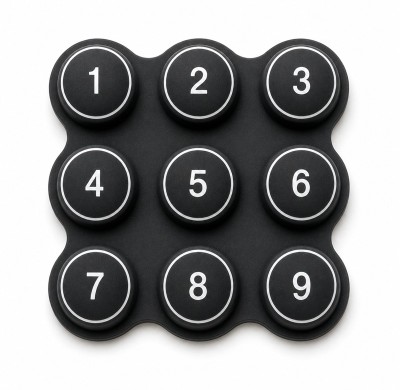
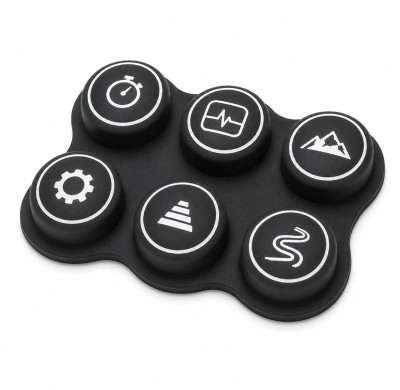
- One-piece molded silicone keypad with integrated conductive pills
- Snap-fit or adhesive assembly
- Higher tooling cost, lower per-unit and assembly cost
Cost Breakdown: Plastic Button vs Silicone Button for Electric Toothbrush
| Cost Factor | Plastic Button | Silicone Keypad | Difference / Winner |
|---|---|---|---|
| Tooling / Mold cost | $3,000 - $6,000 (plastic injection + switch mount) | $4,000 - $8,000 (silicone compression mold) | Plastic lower by 20-30% |
| Piece-part cost (per unit) | $0.08 - $0.15 (keycap + rubber boot) | $0.25 - $0.50 (complete keypad) | Plastic lower by 50-60% |
| Switch / contact cost | $0.10 - $0.30 per mechanical switch (2-3 switches = $0.20-0.90) | Integrated conductive pill (no separate switch) — $0.00 | Silicone saves $0.20-0.90 per unit |
| Assembly labor (per unit) | $0.15 - $0.25 (place keycaps, insert switches, align) | $0.03 - $0.08 (place one keypad, snap or tape) | Silicone saves $0.10-0.18 per unit |
| Waterproofing / sealing | Requires separate silicone boot + seal design (+$0.10-0.20) | Integrated sealing ribs (included in keypad) | Silicone saves $0.10-0.20 per unit |
| Inventory / BOM complexity | 3-5 line items per unit (keycap, boot, switch, adhesive) | 1 line item | Silicone reduces management cost |
| Warranty / failure cost (2-year) | Higher due to water ingress (seals fail) — estimated 1-3% failure | Very low (<0.3% failure) — monolithic seal | Silicone saves $0.10-0.50 per unit in returns |
| Total cost per unit (100k volume) | $0.65 - $1.55 | $0.40 - $0.70 | Silicone saves 30-55% |
Break-Even Analysis: At What Volume Does Silicone Become Cheaper?
Assumptions:
- Plastic button solution: $0.65 total cost (excluding tooling)
- Silicone keypad solution: $0.45 total cost (excluding tooling)
- Tooling difference: Silicone +$3,000 higher
Break-even calculation:
$3,000 ÷ ($0.65 - $0.45) = 15,000 units
Above 15,000 units, silicone keypad is cheaper overall despite higher tooling.
- Water ingress through button gaps → warranty returns
- Separate silicone boot required for IPX7 (extra part, extra assembly)
- Mechanical switch corrosion over time in humid bathroom environment
- Multiple suppliers (keycap maker, boot maker, switch supplier)
- Higher assembly labor (pick-and-place for each small part)
- Risk of button popping off during use
- Seamless, waterproof membrane (IPX7-IPX8 without extra parts)
- Integrated conductive pills — no separate switches
- Single supplier, single part number
- One-step assembly (peel and stick or snap-fit)
- Superior chemical resistance to toothpaste and mouthwash
- Soft, premium feel that consumers associate with quality
Beyond Cost: User Experience & Brand Perception
Silicone offers softer, more pleasant press. Plastic buttons feel harder, cheaper.
Silicone is silent. Plastic buttons click or rattle.
Silicone sealed surface wipes clean. Plastic crevices trap toothpaste residue.
High-end electric toothbrushes (Oral-B, Philips) use silicone keypads for a reason.
FromRubber has engineered custom silicone keypads specifically for personal care devices:
We provide free DFM review and sample prototyping — so you can validate feel and assembly before mass production.
📧 nani@fromrubber.com | 🌐 www.fromrubber.com | 15+ years in personal care
For electric toothbrush manufacturing, silicone keypads have a higher initial tooling cost but lower per-unit cost — and become more economical above 15,000 units. When including assembly savings, switch elimination, waterproofing, and warranty reduction, silicone keypads typically save 30-55% compared to plastic button designs. Beyond cost, silicone provides superior user experience, better sealing, and a premium brand feel. FromRubber delivers custom silicone keypads optimized for oral care products, with quick prototyping and competitive pricing.