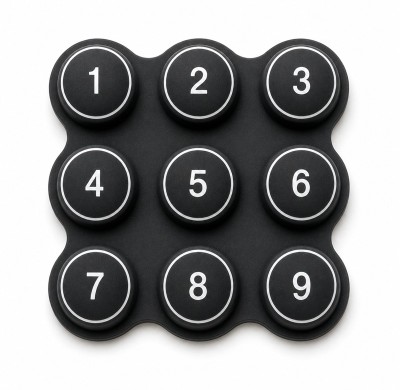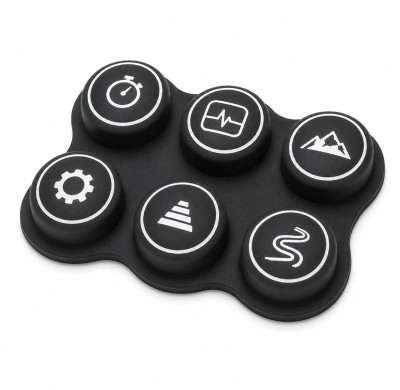
The Complete Silicone Rubber Manufacturing Process: From Raw Materials to Precision Custom Parts
Introduction
Silicone rubber is one of the most versatile engineering materials in modern manufacturing. From automotive keypads to medical device components, silicone parts are found in virtually every industry. But how are these precision components actually made?
At FromRubber, we have spent over a decade perfecting the silicone manufacturing process. This guide walks through each critical stage, from raw material selection to final quality inspection, giving you a clear understanding of what goes into creating high-quality custom silicone parts.
1. Raw Material Preparation
Every high-quality silicone part begins with the right raw materials. The process starts with virgin silicone rubber (typically high-consistency rubber or liquid silicone rubber), which is then compounded with carefully measured additives including:
- Curing agents (crosslinkers) — to enable vulcanization and achieve the desired hardness
- Pigments — for precise color matching (Pantone, RAL, or custom references)
- Functional fillers — to enhance specific properties such as tensile strength, tear resistance, or thermal conductivity
These ingredients are blended in a two-roll mill or internal mixer to create a uniform compound. The mixed material is then sheeted, cooled, and stored under controlled conditions ready for molding.
2. Mold Design and Fabrication
Precision molds are the backbone of any successful silicone manufacturing project. Our engineering team uses advanced CAD/CAM software to design multi-cavity molds that maximize efficiency while maintaining tight tolerances.
Key mold considerations:
- Material selection for molds (hardened tool steel, aluminum, or beryllium copper for complex geometries)
- Vent placement to ensure complete cavity fill and prevent air traps
- Surface finish matching customer specifications (from mirror polish to textured matte)
- Gate and runner design optimized for material flow
3. Compression Molding — The Core Process
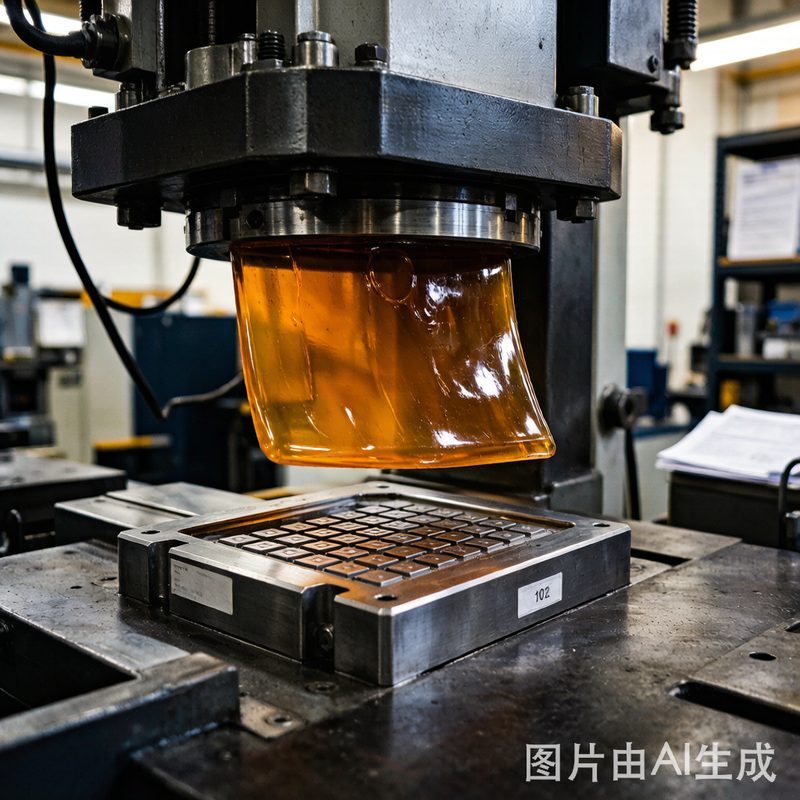
Compression molding is the most common method for producing industrial silicone rubber parts. The process follows these steps:
- Pre-forming: A pre-weighed charge of silicone compound is precisely cut or extruded to the required volume.
- Loading: The pre-form is placed into the heated mold cavity.
- Compression: The hydraulic press closes under controlled pressure (typically 50–200 tons depending on part size), forcing the material to fill the cavity.
- Curing: Heat (typically 160–200°C) activates the vulcanization process, crosslinking the polymer chains to establish the part's final physical properties.
- De-molding: After curing (typically 3–10 minutes depending on thickness), the press opens and the part is carefully removed.
For applications requiring conductive pathways, we also offer liquid silicone injection molding and transfer molding processes.
4. Conductive Technology Integration
For silicone keypads and membrane switch interfaces, conductive technology is critical. Our capabilities include:
- Carbon/gold pill application — molded-in conductive contact pills for direct PCB interface
- Conductive ink printing — screen-printed carbon or silver conductive traces
- Membrane dome integration — tactile metal or polyester domes for crisp click feedback
5. Deburring and Post-Processing
After de-molding, parts go through deburring to remove the thin flash line along the mold parting line. This can be done through:
- Hand trimming — for complex geometries requiring careful attention
- Automated deflashing — using cryogenic or tumbling processes for high-volume parts
Post-processing may also include washing and surface activation for subsequent coating or printing steps.
6. Surface Finishing Technologies
Silicone parts can be finished with a variety of surface treatments to enhance appearance, durability, and functionality:
| Technology | Application | Key Benefit |
|---|---|---|
| Matte Coating | Keypads, consumer products | Anti-glare, soft-touch feel |
| PU Coating | Industrial controls, automotive | Abrasion resistance, durability |
| Color Oil Coating | Branded products, signage | Vibrant color retention |
| Epoxy Coating | High-wear applications | Maximum scratch protection |
7. Printing and Marking
For silicone keypads and branded components, clear and durable legends are essential. Our printing capabilities include:
- Silk-screen printing — the most common method, offering excellent durability and sharp detail
- Laser engraving — permanent marking ideal for backlit keypads and high-wear applications
- Pad printing — for applying legends to irregular or curved surfaces
- Transfer printing — for complex multi-color designs on silicone labels and patches
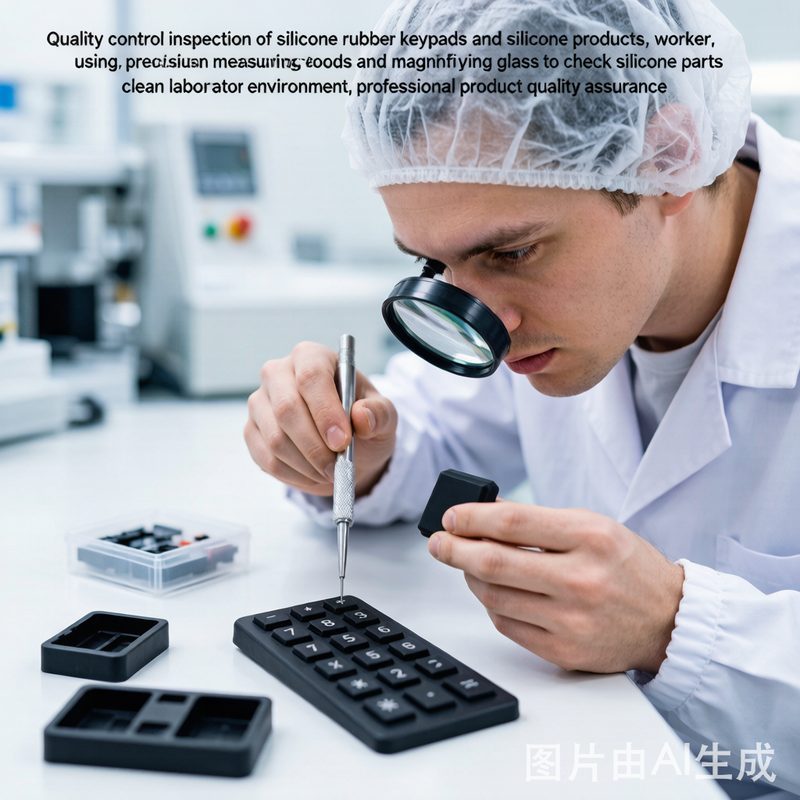
8. Quality Control and Testing
Every batch of silicone parts undergoes rigorous quality inspection before shipment:
- Dimensional inspection — using optical measuring systems and CMM to verify critical tolerances (±0.05 mm typical)
- Hardness testing — Shore A durometer verification
- Force/displacement testing — for tactile keypads, measuring actuation force and snap ratio
- Visual inspection — 100% inspection for surface defects, flash, and contamination
- Functional testing — life-cycle testing (typically 500K–1M cycles for keypads)
Conclusion
The silicone rubber manufacturing process is a sophisticated blend of material science, precision engineering, and skilled craftsmanship. FromRubber brings over a decade of experience to every project, with full in-house capabilities covering the entire production chain — from mold design through to final packaging.
Ready to start your custom silicone project?
Contact FromRubber today to discuss your requirements. We offer prototyping, small-batch production, and full-scale manufacturing with no minimum order stress.