
Silicone Keypad Technology
 Silicone Keypad Loses Rebound? Watch Out for Compression Set — The Hidden Killer of Long‑Term ReliabilityJul 31,2026Compression set (≤5% for premium silicone) causes permanent rebound loss after prolonged compression. Prevent by requiring test reports, ensuring post‑cure (200°C×4h), specifying high‑grade materials, and adding initial height compensation. FromRubber validates long‑term resilience before silicone keypad production.
- White Silicone Keypad Yellowing? Masterbatch Anti‑Yellowing Performance Defines Product QualityJul 31,2026Prevent yellowing with amine‑free anti‑yellowing masterbatch, QUV testing (48h, ΔE≤2.0), and cure control. FromRubber validates color stability for white/light silicone keypad.
- Silicone Keypad Attracts Dust? The Role of Antistatic Agents (ESD) Is UnderestimatedJul 31,2026Reduce dust adhesion with internal antistatic agents (1–3%) — surface resistivity drops from 10¹⁴ to ≤10¹⁰Ω. Combine with PU coating for premium appearance. FromRubber ESD silicone keypad solutions.
- Food‑Grade Silicone Keypads Must Pass FDA and LFGB Certification for Kitchen AppliancesJul 31,2026Food‑contact silicone keypads require FDA (US) and LFGB (EU) certification. LFGB adds sensory odor/taste testing. Use certified base gums with full documentation. FromRubber ensures compliance.
- Silk Screen Printing Misalignment? Parting Line Position Is the Key to Silicone Keypad QualityJul 30,2026Keep silicone keypad prints ≥0.5mm from parting lines. Use solid-core side walls, specify low flash, and run DFM reviews. FromRubber ensures silicone keypad crisp, aligned printing.
- Conductive Pill Misalignment? Why Locating Holes Are Critical in Silicone Keypad DesignJul 30,2026Add ≥2 locating holes (0.05–0.1mm clearance) to align conductive pills to PCB pads. Use anti-reverse design. FromRubber ensures silicone keypad 100% contact yield.
- Deep‑Draw Silicone Keypad Cracking? Draw Ratio Assessment Is a Must‑Do Before ToolingJul 30,2026Deep‑draw silicone keypad (H/D > 0.6) risk tearing during demolding. Prevent by calculating draw ratio, increasing draft to 5–10°, enlarging R‑corners (≥R0.8), using high‑tear silicone (≥35 kN/m), and adding air‑assist ejection. FromRubber's DFM review validates demolding feasibility before tooling.
- Silicone Keypad Bottom Punctured? Avoid PCB Interference with Proper Escape Clearance DesignJul 30,2026Prevent silicone keypad punctures and PCB damage by calculating escape height ≥ stroke + pill height + 0.2mm. Map all PCB component heights, add relief pockets for tall parts, and use travel limiters. FromRubber DFM review catches interference before tooling.
- Silicone Keypad Tolerances: ±0.1mm or ±0.3mm? The Truth About Dimensional AccuracyJul 30,2026Silicone keypad tolerances typically range ±0.1–0.3mm due to cure, batch, and shrinkage variables. Assign ±0.1mm only to critical mating features; use ±0.2mm for general dimensions. Tiered strategy, written sign‑off, and DFM review prevent disputes. FromRubber guides realistic tolerance planning
- Silicone Keypad Hardness Selection: 40 Shore A vs 60 Shore A — How to ChooseJul 30,2026Silicone keypad hardness (40–60A) must match stroke, R‑angle, and usage. Start at 50–55A for most projects. Higher hardness needs PU coating; lower hardness requires longer stroke. Temperature and lifespan affect choice. FromRubber provides DFM hardness recommendations.
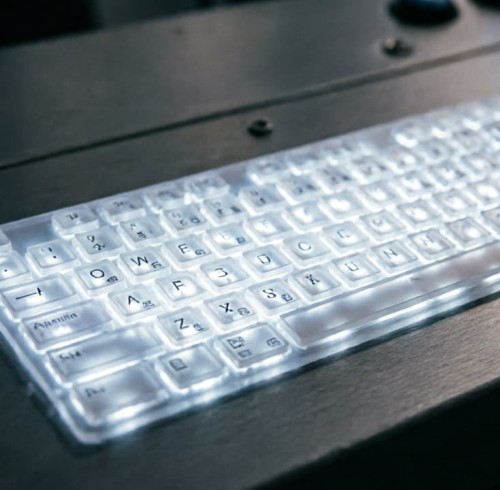
- Custom Silicone Backlight Keypad: Design, Light Guide & Manufacturing GuideJul 29,2026Engineering guide to custom silicone backlight keypads: LED structures, light guide options, laser etching, DFM checklist, manufacturing, testing and cost factors.
- Silicone Keypad Feels Too Hard? Improve Rebound Feel Through Structural DesignJul 29,2026Optimize stroke, R‑angle, and hardness balance. Use low‑CS silicone, add contact bumps, and prototype to validate crisp, durable silicone keypad feels.





Are you looking for a rubber and plastic product customization solutions manufacturer?
We can quickly provide customers with market analysis, technical support and customized services.Sign Up Out Newletter
Contact Person
