The Truth About Silicone Keypad Yellowing and Cracking: Material Formulation and Aging Resistance
Six months after launch, a popular brand of universal remote controls began receiving customer photos showing yellowed, discolored keypads. The complaints escalated rapidly from 12 in month four to 187 in month seven. Social media posts showing the discolored remotes accumulated 240,000 views. The brand's reputation took a direct hit, and the root cause was traced back to a single material specification decision: the silicone compound used peroxide vulcanization instead of platinum-cured formulation. This case illustrates why material formulation is the most critical decision in silicone keypad design for long-term reliability and customer satisfaction in consumer electronics applications. FromRubber's standard anti-yellowing formulation uses platinum-cured silicone and maintains ΔE below 2.5 after 1,000 hours of UV exposure per ASTM G154, backed by SGS-certified test reports. Material data sheets and third-party test reports are provided for all production compounds. for applications requiring long-term color stability, backed by SGS-certified UV resistance test reports. Our standard anti-yellowing formulation maintains ΔE below 2.5 after 1,000 hours of UV exposure per ASTM G154, compared to typical peroxide-cured compounds that show ΔE values exceeding 8.0 under identical conditions. We provide material data sheets and third-party test reports for all silicone compounds used in production, giving our customers full visibility into the long-term performance characteristics of their keypad materials. The vulcanization (curing) method has the single largest impact on long-term color stability of silicone keypads. Silicone keypad hardness is measured on the Shore A scale, typically ranging from 40A (soft) to 70A (firm). Hardness directly affects wear resistance and crack propagation. At 40-50 Shore A, the material provides the best tactile feel for consumer applications but has lower abrasion resistance, typically surviving 500,000-800,000 actuation cycles before surface wear becomes visible. At 50-60 Shore A, the optimal balance for most applications is achieved. At 55 Shore A, properly formulated silicone compounds achieve over 1,000,000 actuation cycles per ASTM D2000 testing with less than 10% force degradation. At 60-70 Shore A, higher wear resistance is achieved but tactile feedback is reduced. These compounds are preferred for keypads exposed to harsh environments or requiring over 2,000,000 cycle life. Industry data shows that the majority of silicone keypad failures from cracking occur in compounds below 45 Shore A when used in applications requiring over 500,000 actuation cycles. When evaluating silicone keypad material formulations, request laboratory test data for these specific parameters. UV resistance per ASTM G154 or ISO 4892 uses fluorescent UV lamps at 0.89 W/m² at 340nm with cycles of 8 hours UV at 60°C and 4 hours condensation at 50°C. Acceptable performance is ΔE less than 3.0 after 500 hours for indoor applications and ΔE less than 5.0 after 1,000 hours for outdoor or window-facing applications. Heat aging per ASTM D573 or ISO 188 exposes samples to 70°C for 168 hours (7 days) in a circulating air oven. Key metrics include change in hardness of ±5 Shore A or less, change in tensile strength of 15% or less, and change in elongation of 25% or less. Premium formulations maintain ΔE under 2.0 under these conditions. Abrasion resistance per ASTM D3389 or ISO 4649 measures volume loss in mm³ per cycle, with acceptable values of 80-150 mm³ loss per 1,000 cycles for silicone keypads using a Taber abraser with H-18 wheels and 500g load. Chemical resistance per ASTM D471 involves immersion testing for 72 hours at 23°C in isopropanol, 5% NaCl solution, and synthetic sebum with acceptable volume change of less than 5% and no visible surface degradation. For silicone keypads used in food preparation equipment, baby products, or medical devices, FDA 21 CFR 177.2600 compliance is essential. This regulation specifies that maximum extractable fractions must not exceed 0.5% by weight when extracted in distilled water at reflux temperature, maximum volatile content must not exceed 0.5% by weight after 4 hours at 200°C, and the silicone compound must not contain any extractable substance that imparts a taste or odor to food. Third-party SGS test reports verifying these parameters should be requested from any supplier claiming FDA compliance. Companies that fail to verify FDA compliance before production risk costly redesigns and regulatory actions that can delay product launches by 6-12 months. A three-year outdoor exposure test conducted in Guangdong, China compared standard peroxide-cured silicone at 60 Shore A against an anti-yellowing platinum-cured formulation at 58 Shore A. After 36 months of outdoor exposure in a subtropical climate, the standard formulation showed a ΔE of 12.8 with visible surface crazing, and hardness increased from 60A to 68A. The anti-yellowing formulation showed a ΔE of 2.1 with no visible surface change, and hardness increased from 58A to 60A. Tensile strength retention was 62% for the standard formulation versus 94% for the anti-yellowing formulation. Elongation retention was 48% versus 89%. These results confirm that material formulation determines long-term durability in real-world conditions more than any other single factor. Before committing to a silicone keypad production run, insist on reviewing the complete material data sheet and third-party test reports covering UV resistance, heat aging, chemical resistance, and FDA compliance parameters. FromRubber provides certified SGS test reports for all standard and anti-yellowing silicone compounds used in our production, ensuring full transparency about material performance characteristics. We recommend that customers select their material formulation based on the actual use environment of the end product — indoor consumer electronics may be well served by standard peroxide-cured silicone with an anti-yellowing additive, while outdoor, medical, or high-temperature applications should specify platinum-cured formulations for optimal long-term durability. Our technical team can guide you through the material selection process and provide comparative test data to support your decision. Selecting the right material formulation for your silicone keypad application requires careful evaluation of the expected use environment, required service life, and applicable regulatory standards. Working with a manufacturer that offers multiple formulation options and provides transparent third-party test data enables informed decision-making that balances performance requirements with cost considerations.The Truth About Silicone Keypad Yellowing and Cracking: Deep Analysis of Material Formulation and Aging Resistance
The Chemistry of Silicone Keypad Yellowing
Platinum Curing vs. Peroxide Curing: The Key Difference for Silicone Keypad Durability
Shore Hardness and Its Relationship to Silicone Keypad Durability
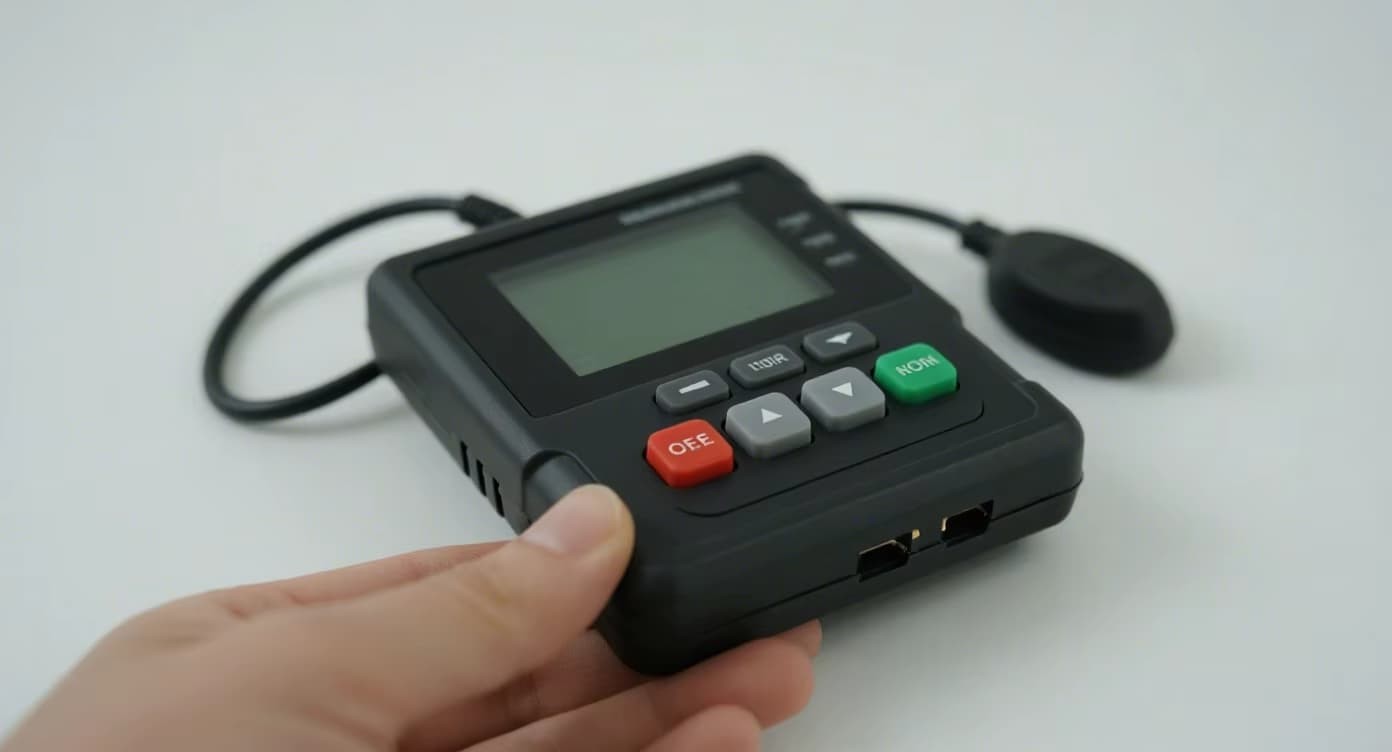
Key Resistance Performance Metrics for Silicone Keypad Materials
Food-Grade and FDA Compliance for Silicone Keypads
Comparative Case Study: Standard vs. Anti-Yellowing Silicone Keypad Formulation
Request Material Data Sheets and SGS Test Reports