The Truth Behind Silicone Keypad DOA Failures: PCB Oil Contamination Root Causes and Prevention
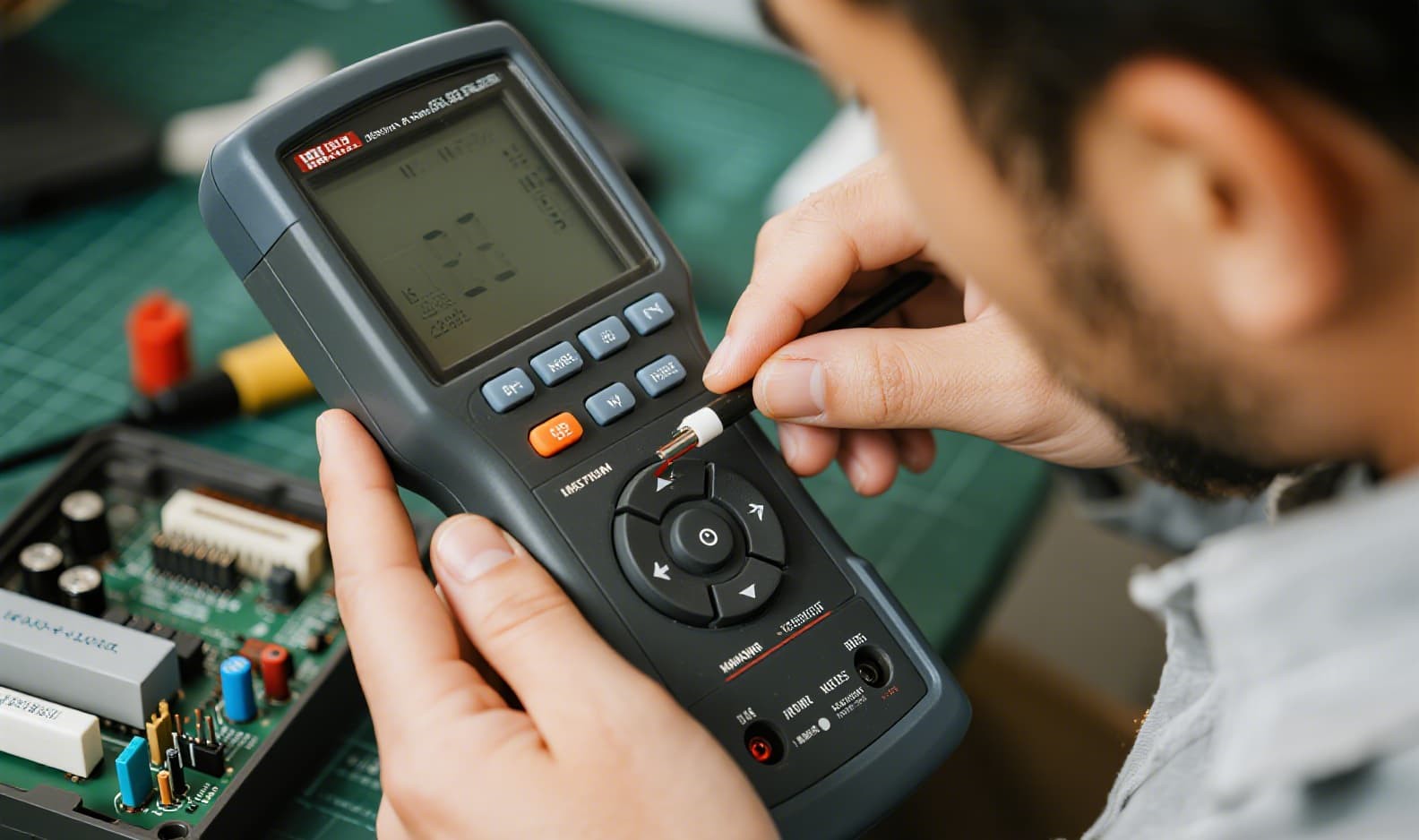
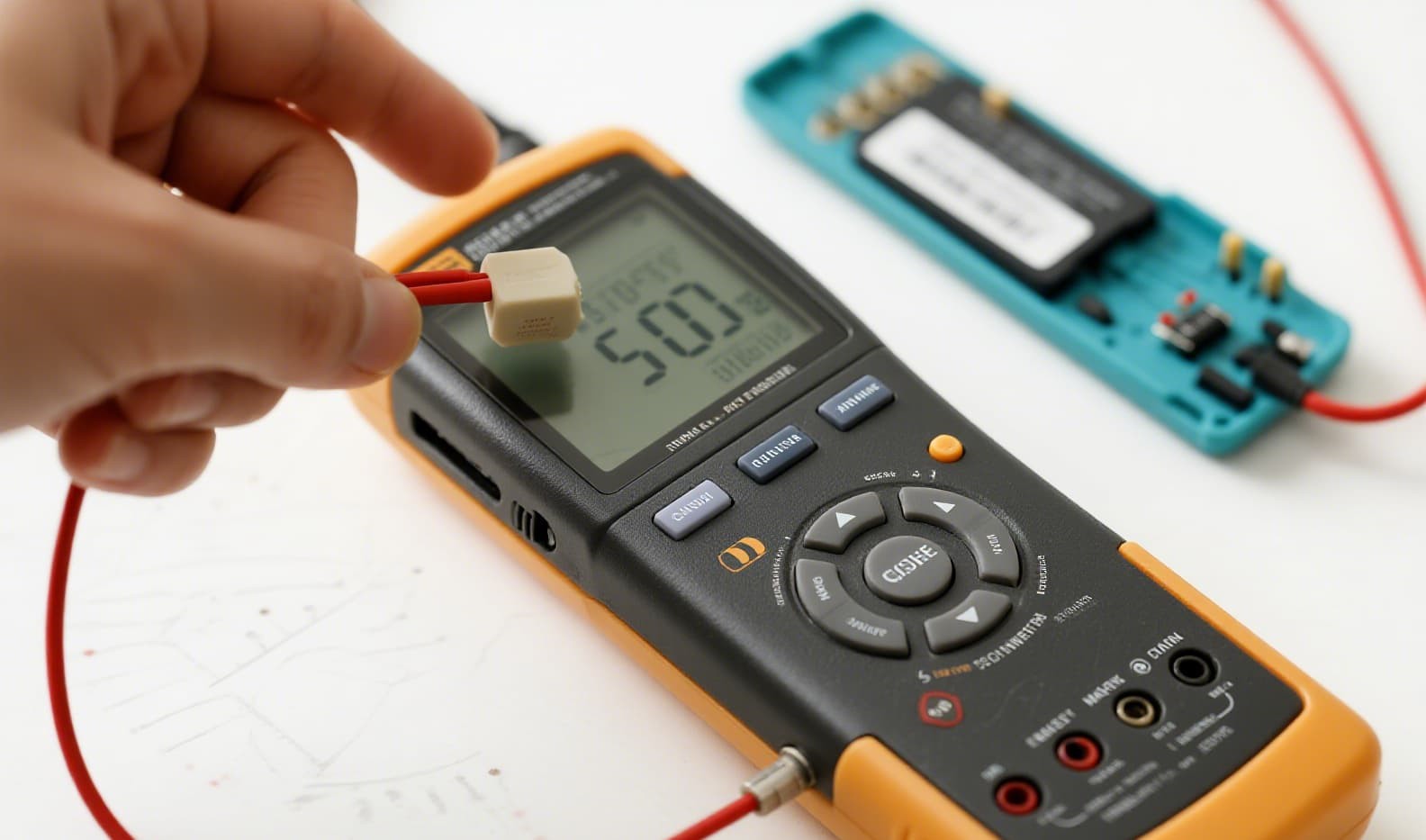
In Q2 2024, a major medical device manufacturer received a customer complaint that 35 out of 3,000 shipped devices were dead on arrival (DOA). Forensic analysis revealed white crystalline powder and oily residue on the PCB contact areas beneath the silicone keypads. The financial impact: $14,000 in replacement units plus $22,000 in emergency air freight and field service costs. More critically, the brand reputation damage took six months to recover through intensive customer outreach and quality assurance programs. At FromRubber, our dedicated ISO Class 7 cleanroom for silicone keypad molding and assembly maintains particle counts well below the ISO 14644-1 standard, and our two-stage IPA plus deionized water cleaning process with automated contact angle verification ensures that every keypad leaving our facility meets the stringent cleanliness standards required for DOA-free performance in critical applications. Our 48-hour accelerated burn-in at 70°C with continuous keypad actuation at 2 Hz catches latent contamination defects that room-temperature testing would miss, providing an additional layer of quality assurance beyond standard industry practices. Energy-dispersive X-ray spectroscopy (EDX) analysis of contaminated PCB surfaces from DOA units reveals distinct elemental signatures that pinpoint contamination sources. A study published in Surface and Interface Analysis examined 47 DOA silicone keypad assemblies and found that 68% contained chlorine from flux activators, 52% showed silicon peaks from mold release agents, and 31% had sulfur compounds from vulcanization byproducts. The systematic root cause investigation follows a fishbone (Ishikawa) diagram approach examining six dimensions: operator handling practices including glove change frequency, machine cleanliness including documented cleaning schedules for molding presses and assembly fixtures, material formulation testing for outgassing and low-molecular-weight siloxane content, cleaning process validation per IPC-CH-65A guidelines, measurement verification through contact angle and ionic contamination testing, and environmental control of temperature and humidity in molding, storage, and assembly areas. When auditing a silicone keypad manufacturer's contamination control, evaluate these three quantifiable metrics. First, cleanroom classification per ISO 14644-1: the molding area should maintain at minimum ISO Class 8 (≤3,520,000 particles/m³ ≥0.5μm), while the assembly and inspection area should achieve ISO Class 7 (≤352,000 particles/m³) or better. A 2023 benchmark of 28 silicone keypad manufacturers found that those with ISO Class 7 cleanrooms had a contamination-related defect rate of 0.3%, compared to 1.8% for uncontrolled environments. Second, IPA wipe validation using a two-step process: first wipe with 99.9% IPA using lint-free wipes, followed by a deionized water rinse and forced-air drying at 60°C for 15 minutes. Validation is performed by contact angle measurement where a clean silicone surface should show a contact angle of less than 30° with distilled water. Third, 100% functional testing plus burn-in at 70°C for 48 hours with continuous keypad actuation at 2 Hz identifies intermittent contamination issues that room-temperature testing misses. A study by the IEEE Reliability Society showed that burn-in testing at elevated temperature catches 92% of latent contamination defects. Implementing all three metrics as standard operating procedures creates a robust contamination control framework that consistently delivers zero-defect results in production environments. A global brand manufacturer of handheld diagnostic devices experienced a contamination complaint rate of 1.12% across six months, representing 38 complaints from 3,400 shipped units. The comprehensive remediation program included installation of ISO Class 7 cleanroom partitions between molding and assembly zones, implementation of a two-stage IPA plus DI water cleaning process with automated contact angle verification, addition of 48-hour burn-in at 70°C for 100% of production units, and operator retraining on contamination prevention protocols including mandatory glove changes every 2 hours. Results over the subsequent 12 months: zero contamination-related customer complaints out of 72,000 shipped units. The total investment of $48,000 in cleanroom upgrades and process validation was recovered within 10 months through eliminated warranty claims and reduced customer support costs, representing a 120% annual return on investment. Contamination prevention should begin at the design stage rather than being addressed during manufacturing. Key strategies include specifying silicone compounds with low volatile siloxane content where D3-D20 cyclic siloxanes are below 300 ppm per Dow Corning test method, designing keypad contact pads with raised perimeter dams to keep contaminants away from electrical contacts, specifying gold-plated contacts with 0.5μm minimum thickness over silver or tin for corrosion resistance in humid environments, and including contamination prevention requirements in the supplier quality agreement with documented validation by third-party testing. These design-level interventions are significantly more cost-effective than post-production cleaning and inspection, reducing overall quality costs by an estimated 40-60% according to the "rule of ten" quality cost principle. When qualifying a silicone keypad manufacturer, request these specific test reports: ionic contamination test per IPC-TM-650 method 2.3.25 targeting less than 1.5μg NaCl eq./in², surface insulation resistance per IPC-B-25A test board method targeting greater than 1×10¹¹Ω after 168 hours at 85°C and 85% RH, FTIR spectrum analysis of molded keypad surfaces showing no PDMS contamination peaks, and SEM/EDX elemental analysis of contact pad surfaces from three randomly selected production batches. These four tests provide comprehensive coverage of the most common contamination failure modes identified in the industry. FromRubber operates a dedicated ISO Class 7 cleanroom for silicone keypad molding and assembly, with automated contact angle verification on every production batch. Each outgoing shipment undergoes 100% functional testing plus 48-hour accelerated burn-in at 70°C to catch latent contamination defects that room-temperature testing would miss. Our process is documented per IPC-610 Class 2 standards, and we maintain full traceability from raw material lot to final inspection, ensuring that every keypad shipped meets the stringent cleanliness standards required for reliable long-term performance. This integrated approach to contamination control has enabled us to maintain a contamination-related complaint rate of less than 0.01% across more than 500,000 shipped units. Our quality management system is audited annually by third-party certification bodies, and all contamination control procedures are documented in our ISO 9001:2015 quality manual with specific work instructions for each process step from material receiving through final packaging. Request Free Sample Testing and Contamination Report → Establishing a comprehensive contamination control program that follows these three quantifiable metrics and is verified through the four specified test methods provides silicone keypad buyers with objective evidence of their supplier manufacturing cleanliness capabilities. Implementing a comprehensive contamination control program that encompasses all three metrics — ISO-certified cleanroom environment, validated IPA cleaning procedures, and 100 percent burn-in testing — enables silicone keypad manufacturers to consistently achieve contamination-related defect rates below 0.1 percent across all production volumes and application types, reducing overall warranty costs and customer complaint rates significantly, providing their customers with reliable product quality and predictable field performance over the entire product lifecycle.The Truth Behind Silicone Keypad DOA Failures: PCB Oil Contamination Root Causes and Prevention
The Scale of Contamination-Related DOA in Silicone Keypad Assemblies
FTIR and EDX Analysis: Identifying Silicone Keypad Contaminants
The Three Critical Cleanliness Metrics for Silicone Keypad Manufacturing
Case Study: Reducing Silicone Keypad Contamination Complaints from 1.12% to Zero
Preventive Design Strategies for Contamination-Free Silicone Keypads
Verification Testing You Should Request from Your Silicone Keypad Supplier
How We Ensure Zero-Contamination Silicone Keypad Production