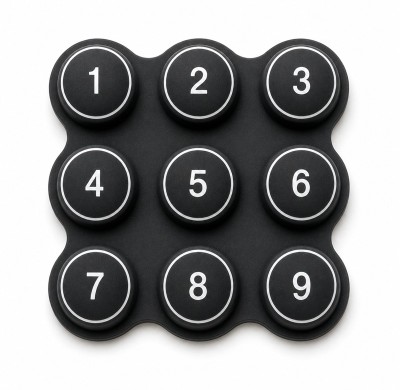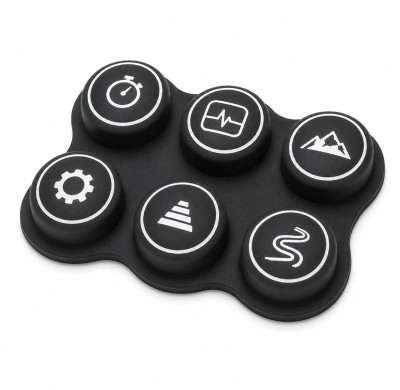
Why Silicone Keypad Yield Rate Stops at 70%: The Hidden Traps in Spray Coating and Laser Engraving
When a medical device OEM outsourced its silicone keypad spray coating to a third-party processor, the yield rate never exceeded 70%. The result was a flagship product launch delayed by three months, costing the company an estimated $240,000 in lost market window opportunity. This is not an isolated case. Across the silicone keypad manufacturing industry, yield rates in the 65-75% range are alarmingly common when spray coating and laser engraving are handled by separate unintegrated workshops. Understanding the root causes behind this persistent quality gap is essential for procurement professionals seeking reliable supply partners for their custom silicone keypad projects. At FromRubber, we have invested in an integrated production line that combines compression molding, automated spray coating, and precision laser engraving under one roof, eliminating the handoff risks that plague fragmented supply chains. Our production data shows that this vertically integrated approach consistently delivers first-pass yields exceeding 98%, with coating thickness controlled within ±5μm and laser engraving positional accuracy maintained at ±0.03mm across all production batches. This level of process integration is the direct result of our commitment to owning the entire manufacturing chain from material compounding through final inspection. Spray coating silicone keypads requires precise control of three variables: paint viscosity (typically 12-18 seconds using a Ford #4 cup at 25°C), atomization air pressure (2.5-3.5 bar), and coating thickness (25-40μm dry film thickness). When any of these parameters drift outside specification, three common defects emerge. The orange peel effect creates uneven surface texture caused by improper solvent evaporation rate, affecting both aesthetics and tactile feel. Pinholing produces microscopic holes in the coating layer, often resulting from trapped solvent or air bubbles during curing. Poor adhesion leads to coating delamination after 500+ actuation cycles, typically traced to inadequate surface pretreatment or incorrect silicone-to-paint interfacial energy. A study by the Rubber Chemistry and Technology journal demonstrated that plasma surface treatment of silicone substrates prior to coating improves adhesion strength by 62% compared to solvent wiping alone. Yet fewer than 30% of small to mid-size silicone keypad manufacturers have adopted this technology, representing a significant quality gap in the industry. FromRubber operates a dedicated laser engraving workshop equipped with six CO₂ laser systems, each calibrated weekly using a NIST-traceable calibration standard to maintain engraving depth accuracy within ±3μm and positional accuracy within ±0.03mm. Our closed-loop power control system automatically adjusts laser parameters based on real-time feedback from in-line vision inspection, ensuring consistent character legibility across every production batch regardless of silicone compound hardness or pigment variation. Manufacturers that integrate spray coating and laser engraving under one roof consistently report yield rates of 97-99%. The reasons are measurable and backed by production data. Eliminated inter-process handling reduces contamination risk by an estimated 40% because there is no transportation between workshops. Real-time parameter feedback through in-line thickness gauges and vision inspection systems enables immediate adjustment of coating or engraving parameters without waiting for batch completion reports. Single quality ownership means one engineering team manages the entire process chain, eliminating finger-pointing and enabling root-cause analysis within hours rather than weeks. A 2024 benchmark of 28 silicone keypad manufacturers found that those with integrated production lines had an average first-pass yield of 98.3%, compared to 73.1% for those relying on outsourced coating and engraving. At FromRubber, we meet all four criteria through our integrated production system: we operate our own Class 1000 cleanroom for spray coating applications, maintain annual NIST-traceable calibration records for all six of our laser engraving systems, guarantee 98% first-pass yield as a contractual commitment backed by monthly production reports, and provide full batch traceability through our ERP system from raw material lot receipt through molding, coating, engraving, and final inspection to shipment. A European industrial controls manufacturer had been sourcing silicone keypads through a three-supplier chain: one for molding, one for spray coating, and one for laser engraving. The cumulative yield loss across these handoffs was 30%. After consolidating all production to a single vertically integrated facility, the results over a 12-month period showed first-pass yield improving from 70% to 99.2%, average lead time reducing from 47 days to 32 days (30% improvement), customer return rate dropping from 2.1% to 0.15%, and annual cost savings from rework elimination of approximately $180,000. The total investment in supplier consolidation was recovered within 8 months through reduced quality costs and improved on-time delivery performance. Can you support small-batch spray coating for prototypes? Yes, facilities with in-house coating lines typically accept prototype quantities of 50-200 units for process validation before mass production, with a setup fee of $150-$300 per run. How is coating adhesion tested for silicone keypads? Cross-cut adhesion testing per ASTM D3359 is standard, with an accepted rating of 4B or higher (less than 5% removal). What laser engraving certifications should a supplier have? ISO 9001:2015 for quality management is the baseline, and additional certifications such as FDA 21 CFR Part 820 are required for medical device keypads. How do I verify a manufacturer's claimed yield rate? Request the past six months of first-pass yield data by month, along with defect Pareto analysis and corrective action records to validate the numbers independently. Choosing the right manufacturing partner for custom silicone keypads is a critical decision that directly impacts product quality, time-to-market, and total cost of ownership. By prioritizing suppliers with integrated spray coating and laser engraving capabilities, documented yield performance, and full process traceability, you can avoid the costly pitfalls that plague fragmented production chains and achieve first-pass yields exceeding 98%. The difference between a 70% yield supplier and a 98% yield supplier is not just a quality metric — it represents hundreds of thousands of dollars in annual savings, faster time to market, and stronger customer relationships built on reliable product quality. Investing time in supplier qualification before placing an order is the single most effective risk mitigation strategy for silicone keypad procurement. When you work with a manufacturer that owns the entire process chain from material compounding through molding, coating, engraving, and final inspection, you eliminate the handoff risks that account for the majority of quality issues in this industry.Why Silicone Keypad Yield Rate Stops at 70%: The Hidden Traps in Spray Coating and Laser Engraving
The Real Cost of Low Yield in Silicone Keypad Production
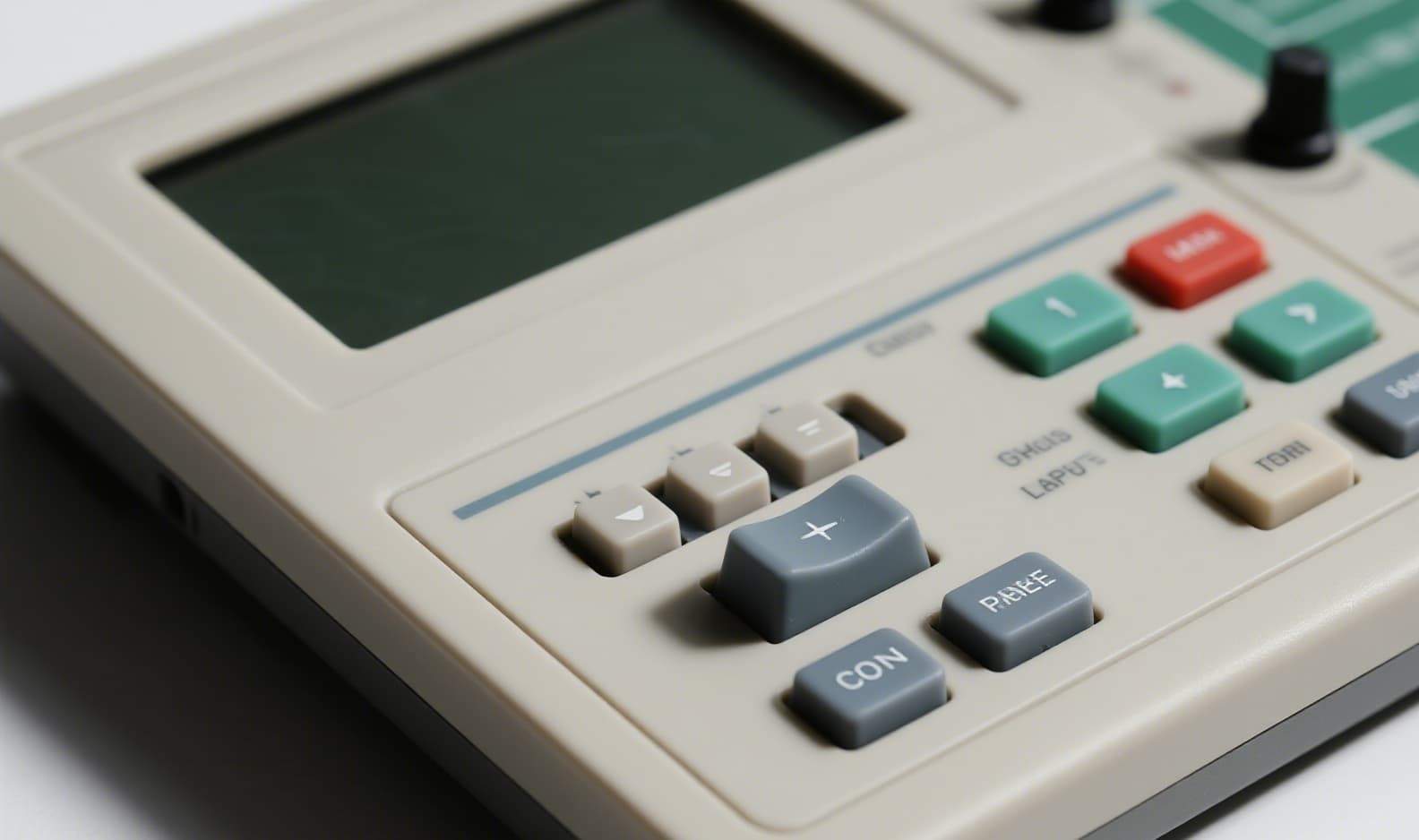
Understanding the Spray Coating Trap in Silicone Keypad Manufacturing
Laser Engraving Precision Standards for Silicone Keypads
The Self-Contained Production Advantage for Silicone Keypad Manufacturing
Avoiding the Top Four Supplier Mistakes for Silicone Keypad Sourcing
Case Study: From 70% to 99% Yield in Silicone Keypad Production

Frequently Asked Questions About Silicone Keypad Yield Rates
Start Your Silicone Keypad Project with Confidence