
Silicone Product Applications
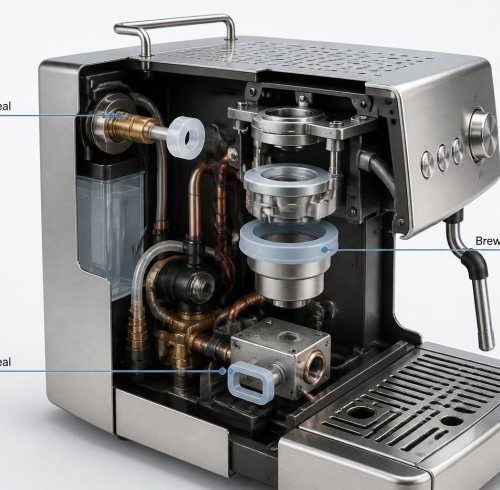
 Custom Silicone Gaskets for Coffee Machines: Material, Thickness and Heat ResistanceNov 4,2026Specifications for custom silicone gaskets for coffee machines usually name one temperature, while the part lives on a cycle: cold, hot, wet, dry, acidic, rinsed. This article looks at where seals sit in a machine, why the temperature at the gasket is not the temperature on the display, how thickness sets compression, and why compression set ends more seals than heat does.
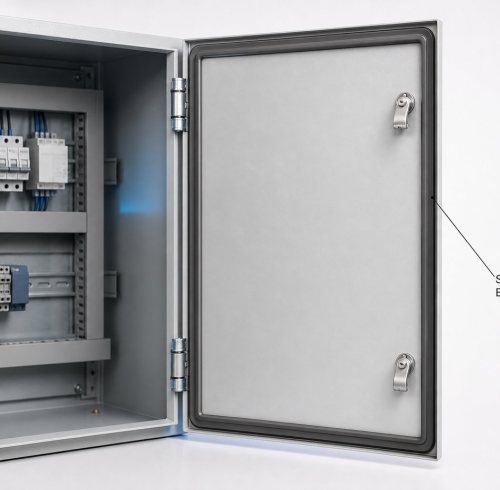
- Silicone Gaskets for Electrical Enclosures: How to Improve Waterproof Sealing PerformanceNov 4,2026An electrical cabinet seals across a moving door, so silicone gaskets for electrical enclosures never see uniform compression along the perimeter. This article examines the four geometric reasons perimeter gaskets leak, how profile and contact width interact with latch force, why a moulded corner usually beats a mitred joint, and how to check the contact pattern before another gasket is ordered.
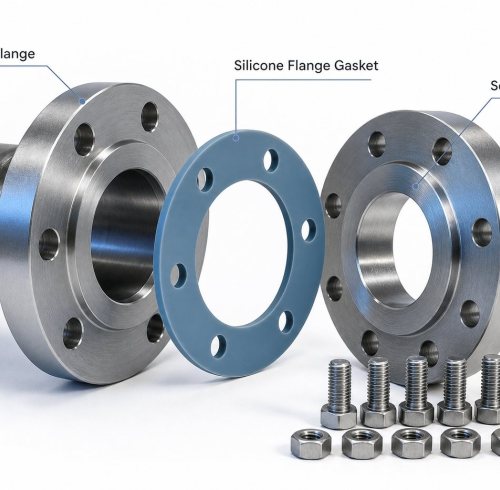
- Silicone Gaskets for Industrial Flanges: How to Handle Uneven Sealing SurfacesNov 4,2026Repeat flange leaks on silicone gaskets for industrial flanges are usually not a material problem: a surface can sit inside its flatness tolerance and still have a shape a gasket cannot follow. This article separates amplitude from wavelength, explains why a thick gasket bridges a depression instead of filling it, and sets out what to measure before specifying a gasket.
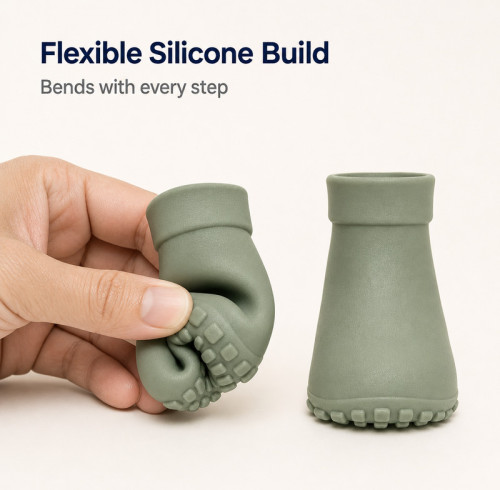
- Silicone Pet Boots: How Much Stretch Is Enough for Easy Wearing?Oct 27,2026A slip-on silicone pet boot fails either at the door or two streets later. This article separates the three numbers that decide whether an opening works: material elongation, the force needed to open the rim, and the shape it returns to after repeated cycles. It then explains how wall thickness, edge radius and cavity shape move all three, and what to measure before tooling.
- From Sample to Mass Production: Common Design Risks for Slip-On Silicone Pet BootsOct 27,2026A prototype proves a shape looks right. It says nothing about whether that shape can leave a mold thousands of times with the same dimensions. This article walks through where slip-on silicone pet boots lose control between sampling and production, and what to review before the cavity is cut.
- Thin or Thick? Choosing Silicone Thickness for Pet Rubber BootsOct 27,2026A silicone pet boot does not have one wall thickness. It has a rim, an ankle, a sidewall and a sole, and each is asked to do something different. This article explains why thickness moves stiffness far more than hardness does, why a thicker corner can tear sooner, and how to validate the section choice with measurable samples.
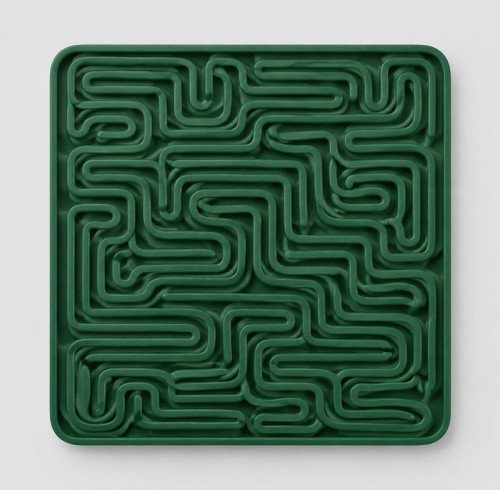
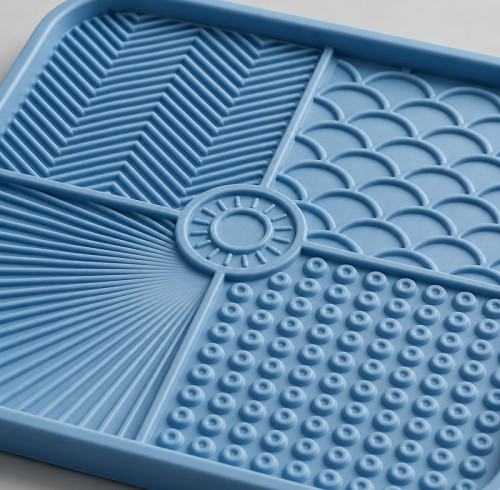
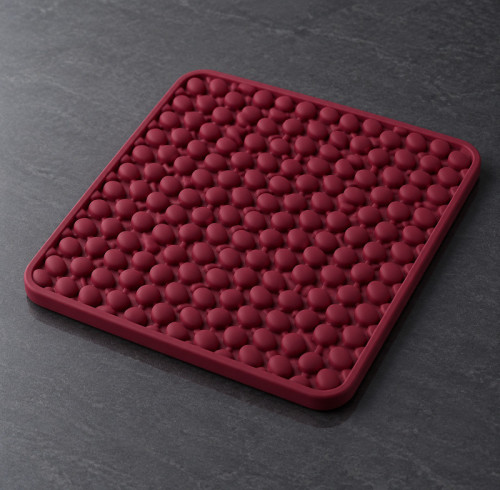
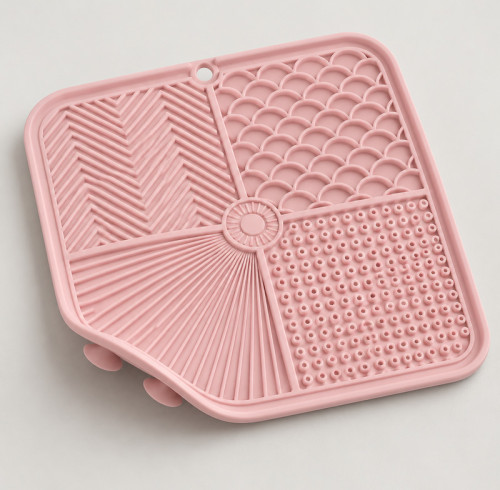
- Custom Silicone Lick Mat Patterns: What Earns a Mold SlotOct 23,2026A pattern is cheap to draw and expensive to cut into steel. This article looks at how buyers can separate the lick mat details that do real work from the ones that only add tooling risk, and what to check on the first sample before a mold is approved.
- Silicone Dog Lick Mat Suction Cups: Why They Let GoOct 23,2026A suction cup is a seal, not a fastener. This article explains why the same silicone dog lick mat can hold on one counter and let go on another, and how to build a surface list and a repeatable test before the mold is cut.
- Deep Grooves or Fine Textures? Silicone Pet Lick Mat DesignOct 23,2026Deep grooves and fine textures solve different problems, and both can fail in the sink. This comparison looks at depth, spacing, cleaning access and mold geometry so brands can choose a pattern direction before tooling starts.
- Small Texture Details in Silicone Lick Mat ProductionOct 23,2026Fine ridges and small logos look simple in CAD and behave differently in a mold cavity. This article follows the small-feature problem through tooling, filling, demolding and inspection, and shows where to simplify without losing the design.
- Silicone Lick Mat Thickness: Where Brands OverdesignOct 23,2026Thickness is rarely one number, and adding silicone is not the same as adding function. This article looks at where overdesign hides in a lick mat, why stiffness grows faster than thickness, and how to set a thickness that matches the product's behavior.
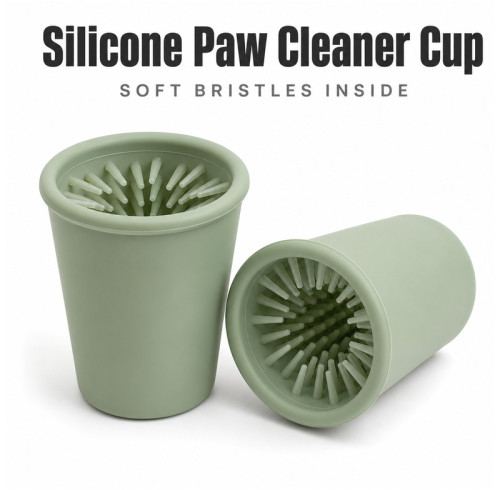
- OEM Silicone Dog Paw Cleaner Cup Manufacturing: Which Design Details Affect Cost and Production Feasibility?Oct 22,2026A design review of the details that decide what an OEM silicone dog paw cleaner cup costs to tool and mould: wall thickness, internal fingers, colour, parting line and order volume.
Are you looking for a rubber and plastic product customization solutions manufacturer?
We can quickly provide customers with market analysis, technical support and customized services.Sign Up Out Newletter
Contact Person
