
Silicone Keypad Technology Sharing
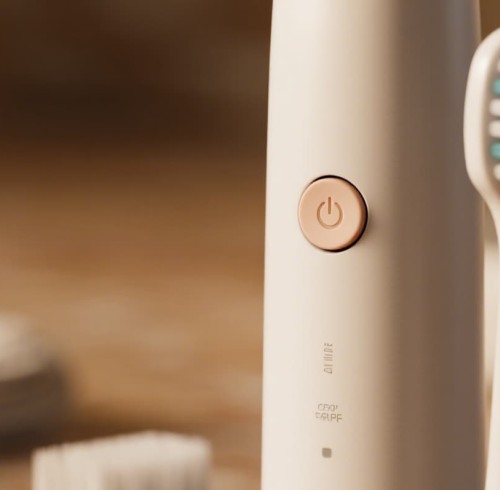
 Electric Toothbrush Silicone Buttons: Why Brands Choose Them?May 26,2026Why do leading electric toothbrush brands choose silicone buttons? Premium tactile feel, seamless IPX7 waterproofing, silent operation, easy cleaning, design freedom, durability, and sustainability. FromRubber engineers custom silicone keypads for Oral-B, Philips, and D2C brands. Free sample kit and design consultation.
- Why Do Some Silicone Keypad Manufacturers Charge a Mold Fee While Others Don't?May 25,2026Why do some silicone keypad manufacturers charge a mold fee while others don't? Learn the 6 pricing models, hidden costs, and 5 critical questions to ask — with direct answers from FromRubber. Transparent mold fee breakdown, ownership terms, and no lock-in contracts. Get the full picture before you quote.
- What Is the Difference Between Silicone Keypads with Carbon Pill and with Nickel Pill?May 25,2026Silicone keypads with carbon pill vs nickel pill — compare contact resistance (50-200Ω vs ≤10Ω), durability, corrosion resistance, and cost. Learn which conductive pill suits your medical, industrial, or consumer device. FromRubber provides testing data and free material recommendations.
- Why Do Some Silicone Keypads Feel Soft While Others Feel Stiff?May 25,2026Why do some silicone keypads feel soft while others feel stiff? Learn how Shore A hardness, web thickness, key travel, snap ratio, and actuation force control tactile feel. FromRubber helps you engineer the perfect press — from marshmallow-soft to industrial-stiff. Free feel consultation.
- OEM Silicone Keypad Manufacturing: What You Should Know Before OrderingMay 22,2026Expert OEM silicone keypad manufacturing guide by FromRubber — 15+ years of custom molding, tooling optimization, tactile force engineering, and printing solutions. Learn what to specify before ordering durable silicone interfaces for medical, industrial, and automotive applications. Trusted global supplier.
- 7 Industries That Rely on Custom Silicone Button KeypadsMay 22,2026Explore 7 industries that rely on custom silicone button keypads — from medical and automotive to aerospace and agriculture. FromRubber delivers durable, sealed, tactile keypads with 15+ years of OEM manufacturing expertise. Get your custom design today.
- Non-Conductive vs. Conductive Silicone Keypads: Which One Do You Need?May 22,2026Non-conductive vs. conductive silicone keypads — compare material properties, contact resistance, switching mechanisms, lifecycle, and costs. FromRubber helps OEMs choose the right keypad technology with 15+ years of custom compounding expertise. Get your free DFM review.
- Why Silicone Keypad for Automotive Fault Diagnosis Equipment Fails?Apr 21,2026Why do silicone keypads on automotive fault diagnosis equipment fail prematurely? FromRubber reveals six failure modes — from dome collapse to chemical attack — and offers custom-engineered solutions. Extend keypad life with our durable, oil-resistant designs. Trusted by global diagnostic brands.
- Battery Tester Silicone Buttons: Why They Outlast Rubber in Workshop Use?Apr 21,2026Why do silicone buttons outlast rubber on battery testers? FromRubber reveals six workshop advantages: chemical resistance, temperature tolerance, 1.5M+ cycle life, permanent legends, non-stick surface, and IP65 sealing. Switch to custom battery tester silicone buttons for 6x longer life. Free engineering consultation.
- Internal Resistance Tester Silicone Button: Achieving 500,000+ Cycle Life for Professional UseApr 21,2026Achieve 500,000+ cycle life for internal resistance testers with FromRubber engineered silicone buttons. High-tear HCR silicone, gold-plated carbon pills, and FEA-optimized domes ensure consistent tactility and <20Ω contact resistance. Custom internal resistance tester silicone button designs for professional battery diagnostic equipment. Free engineering consultation.
- Case study & manufacturing insights of medical infusion pump keypad & payment terminal keypadJan 14,2026We explore a medical infusion pump silicone keypads requiring chemical resistance and silent operation, and an outdoor payment terminal keypad built for UV stability and extreme temperatures. Each case breaks down specific material choices, tactile engineering solutions, and validation results, demonstrating how minute details in durometer, sealing, carbon pill placement, and surface finishing directly impact reliability and user experience in demanding environments.
- What are the most common defects of silicone keypads?Jan 12,2026This comprehensive guide details the 7 most common silicone keypads defects—dimensional warping, tactile inconsistency, carbon pill failure, tearing, adhesive issues, cosmetic flaws, and legend wear—explaining their causes, impacts, and professional prevention methods to ensure product reliability.


Are you looking for a rubber and plastic product customization solutions manufacturer?
We can quickly provide customers with market analysis, technical support and customized services.Sign Up Out Newletter
Contact Person
