
Silicone Keypad Technology
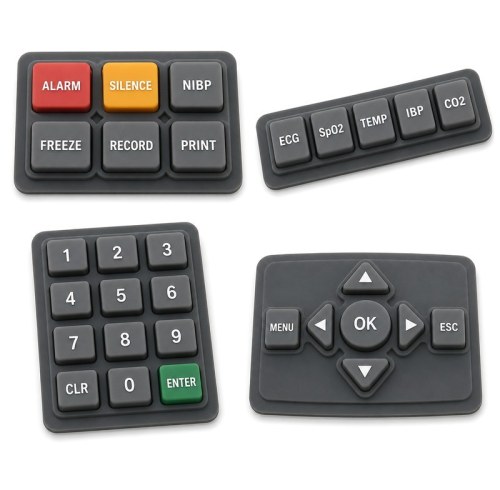
 Uneven Carbon Pill Distribution in Industrial Remote Silicone Keypads: How Molding Process Affects Contact Resistance ConsistencyOct 6,2026Two keys on the same keypad can read 90 ohms and 400 ohms while both pass continuity. This article traces uneven carbon pill distribution back to pre-form positioning, closing pressure, cavity alignment and cure uniformity, separates mould causes from PCB and assembly causes, and sets out how to record resistance as a distribution across a production batch instead of a single pass or fail value.
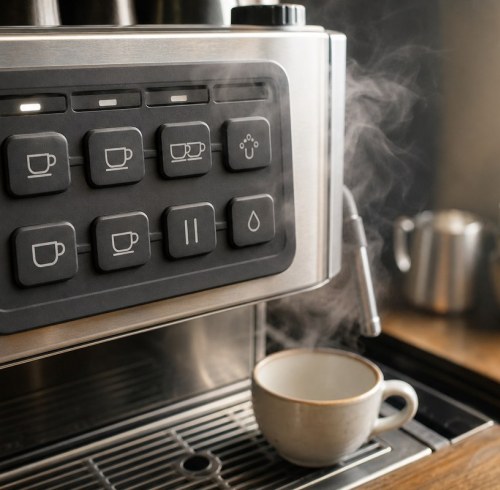
- Hydrolytic Aging of Coffee Machine Silicone Keypads in Steam: Hydrolysis-Resistant Food-Grade Formulation and Hardness ShiftOct 6,2026Coffee machine keypads rarely fail outright, they just stop feeling right. This article separates temperature resistance from hydrolytic resistance, explains why repeated steam cycling differs from steady dry heat, sets out how hardness and compression set change the felt force, and gives a formulation and mold design checklist plus a practical post-aging evaluation sequence.
- Tear Strength Deficiency in Ultra-Thin Hearing Aid Silicone Keypads: Anti-Tear Formulation and Mold Design at 0.2 mm Wall ThicknessOct 6,2026At a 0.2 mm wall section a 0.03 mm deviation is a 15 percent thickness change, and demolding becomes the dominant load case. This article locates where tearing actually starts, explains why tensile strength does not predict tear behaviour, and sets out the geometry, mold, material and process actions that improve thin-section durability, with a validation set for prototype approval.
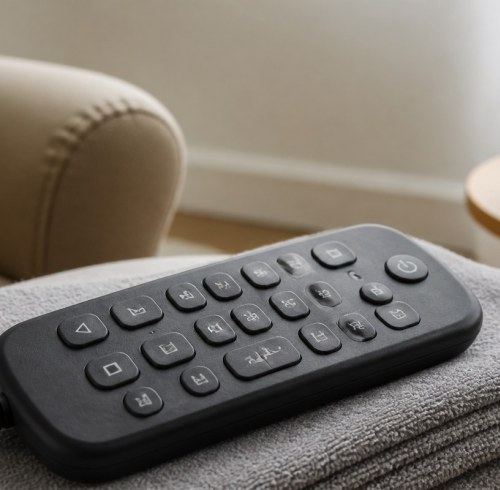
- Sebum Penetration and Tackiness in Massage Chair Hand Controller Silicone Keypads: Surface Coating Crosslink Density and Stain ResistanceOct 6,2026A hand controller is held for half an hour at a time, which makes surface chemistry a design variable rather than a cosmetic detail. This article separates surface contamination from material penetration, explains why bulk Shore hardness cannot predict surface tackiness, compares coated, textured and uncoated silicone, and gives a controlled sebum and cleaning-cycle validation sequence.
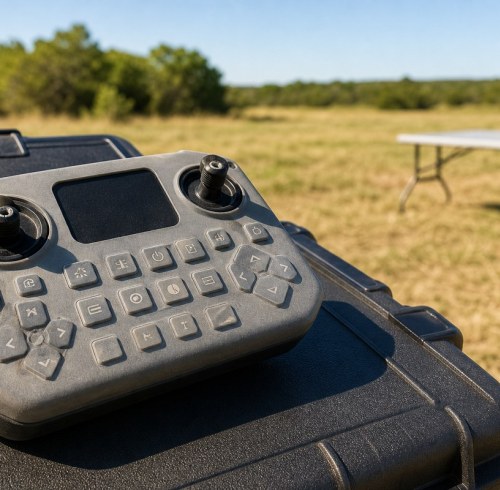
- Tactile Hardening in Drone Remote Silicone Keypads After UV Aging: Long-Term Effects of Weather-Resistant Formulation on Crosslink Density and ReboundOct 6,2026A keypad can pass a UV test and still be rejected by the pilot, because hardness and tactile feel are different measurements. This article explains how UV exposure changes the network near the surface, why geometry amplifies a small material change, and sets out a validation workflow that compares force-displacement curves on aged parts against retained unaged reference samples.
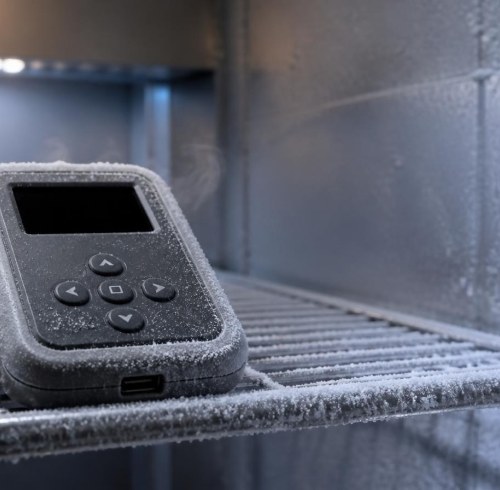
- Silicone Keypad Brittle Failure at -30°C in Cold Chain Data Loggers: Low-Temperature Flexibility Formulation and Rebound RetentionOct 5,2026A keypad that feels crisp at 23°C can turn stiff at -30°C, and it can lose rebound long before it ever cracks. This article separates reversible low-temperature hardening from permanent damage, then works through formulation, membrane and return-leg geometry, housing compression, and a cold-condition test sequence that measures the finished keypad instead of a flat test sheet.
- Antimicrobial Silicone Keypads for Patient Monitors: The Hidden Impact of Silver-Ion Additives on Hardness and ReboundOct 5,2026Antimicrobial additives go into the same matrix that has to act as the key's spring. Hardness may stay inside tolerance while elastic recovery moves enough for users to notice. This article explains why, and sets out a comparison method that measures hardness, rebound and actuation force against a control part before tooling.
- Light Transmittance Decay in Smart Lock Silicone Keypads: Yellowing of Translucent Silicone Under UV and Its Effect on Backlight UniformityOct 5,2026A backlit keypad can stay mechanically perfect while it visually degrades: yellowing, transmission loss and uneven illumination. This article treats optical performance as a design property, covering formulation stability, siloxane migration, thickness consistency, the LED interface, and an incremental UV test that separates steady drift from localised ageing.
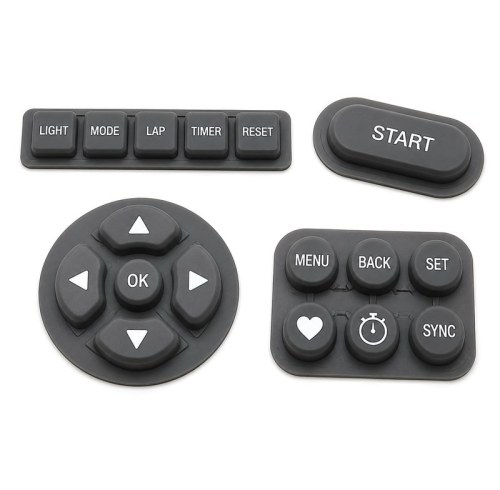
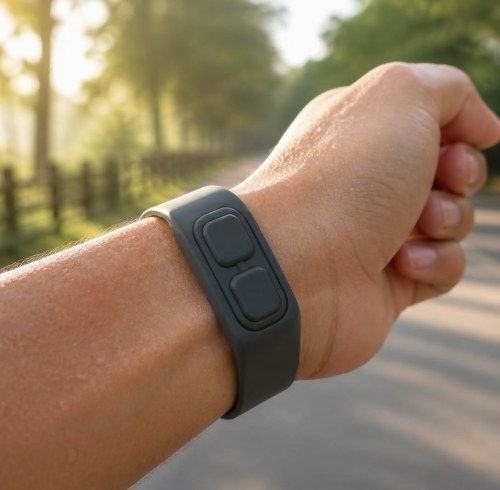
- Sweat Corrosion in Wearable Silicone Keypads: Coating and Legend Adhesion Failure Under Artificial Perspiration TestingOct 5,2026The silicone body usually survives sweat testing; the ink and coating layers do not. This article separates fading, cracking, peeling, abrasion and silent adhesion loss, explains why a low-surface-energy rubber plus migrating siloxane makes bonding difficult, and gives a perspiration test protocol with a rubbing step added.
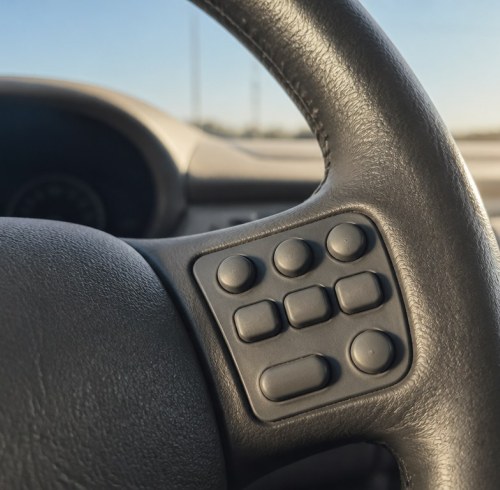
- High-Temperature Compression Set in Steering Wheel Silicone Keypads: Controlling Rebound Loss After 72 Hours at 100°COct 5,2026Steering-wheel buttons rarely fail loudly. They return a fraction slower each summer until the tactile character is gone, while a hardness reading still passes. This article separates compression set, hardness change, rebound loss and permanent deformation, and puts the 72-hour test at 100°C inside a keypad-level programme with fixed acceptance numbers.
- Silicone Keypad for Heavy Equipment Control Panels: PCB Alignment Issues Before ToolingSep 18,2026Alignment problems between a keypad and a PCB are usually created on the drawing, not at moulding. This article follows how a heavy equipment silicone keypad meets the board: conductive pill against contact pad, button travel against the switching point, housing locating features, and the tolerance stack-up shared by keypad, housing and panel cut-out. It lists the data worth collecting before tooling and the faults that surface later as intermittent contact.
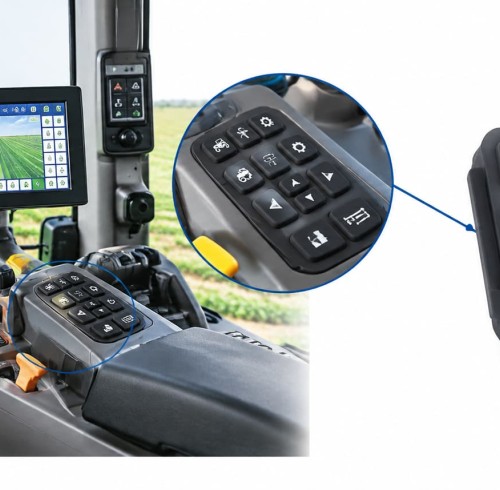
- Why Tractor Silicone Keypads Fail in Agricultural Equipment Control PanelsSep 18,2026A tractor keypad that stops responding is usually called a silicone problem, and usually is not. This article separates the mechanisms that are easy to confuse: compression set and slow elastic recovery, dust pumping around the bezel, condensation inside the housing, effort spread across a gloved hand, and carbon pill face wear against the pad. Each leaves a different signature and calls for a different change in design, material or sealing.


Are you looking for a rubber and plastic product customization solutions manufacturer?
We can quickly provide customers with market analysis, technical support and customized services.Sign Up Out Newletter
Contact Person
