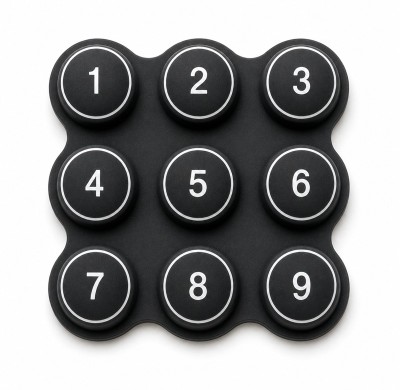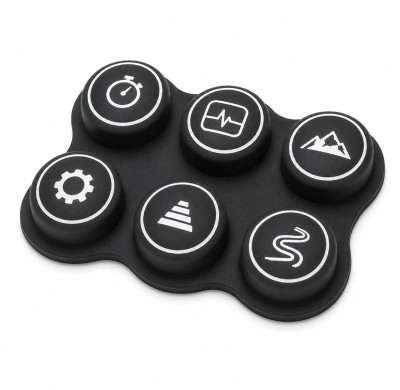
Why might a silicone keypad detach from the panel, and how to choose the right back adhesive?
Silicone Keypad Adhesion Solutions
Expert guidance on preventing detachment and selecting optimal adhesives for reliable performance
Understanding Adhesion Failure in Silicone Keypads
Silicone keypad detachment is a common yet preventable issue in electronic interface manufacturing. This comprehensive guide examines the multifaceted causes of adhesive failure and provides an engineering-based methodology for selecting optimal bonding solutions that ensure product integrity throughout the expected service life.
The selection process must consider numerous variables including substrate compatibility, environmental exposure conditions, mechanical stress factors, thermal cycling requirements, and chemical resistance specifications. A systematic approach to adhesive evaluation significantly reduces the risk of premature failure and enhances overall product reliability in demanding applications.
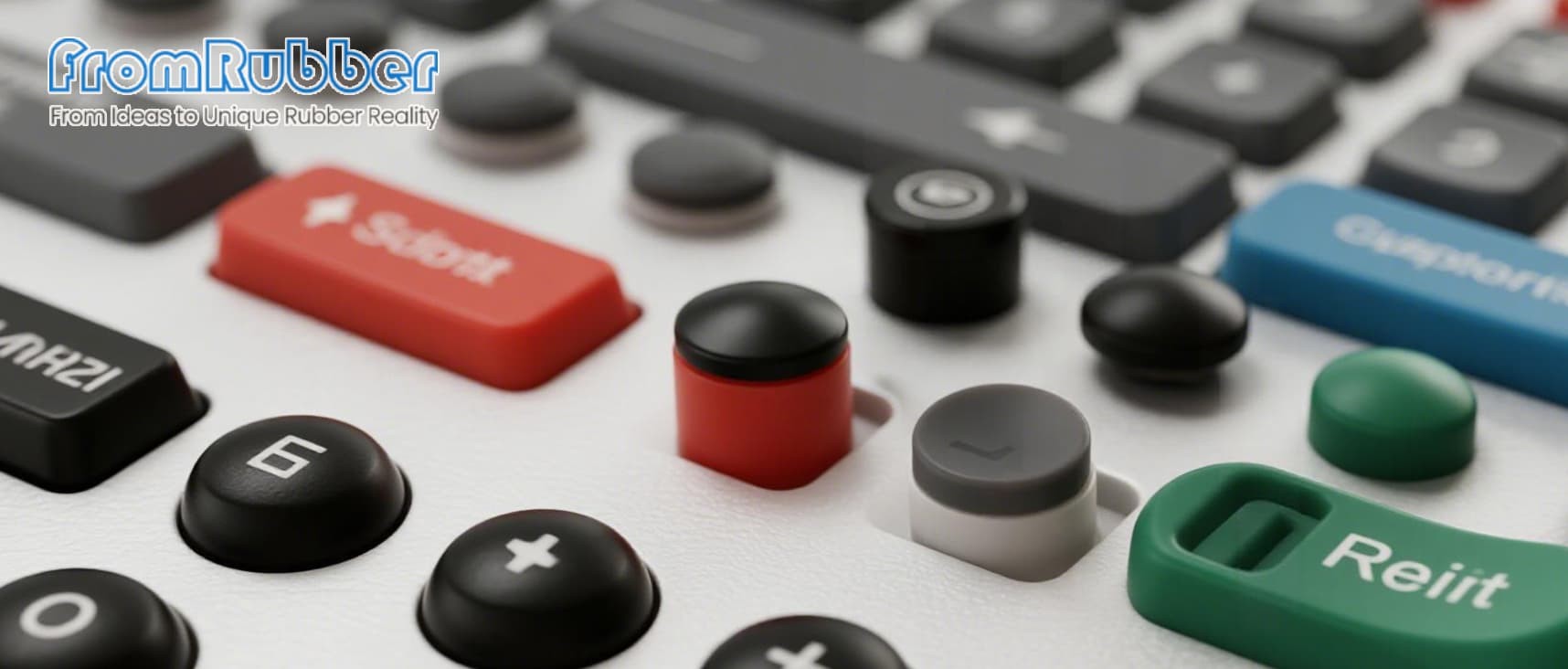
Proper adhesive selection and surface preparation ensure long-term bonding reliability
Common Causes of Keypad Detachment
Surface Energy Mismatch
Silicone's low surface energy prevents proper wetting and intimate contact with many adhesive formulations designed for higher energy substrates like metals or polar plastics.
Silicone Migration
Unreacted silicone oils migrate from the bulk material to the bonding surface, creating a weak boundary layer that prevents proper adhesive contact.
Thermal Expansion Mismatch
Differences in thermal expansion coefficients between silicone and panel materials create shear stresses during temperature cycling that exceed adhesive strength.
| Failure Mechanism | Technical Explanation | Prevention Strategy |
|---|---|---|
| Adhesive Incompatibility | Chemical mismatch prevents proper bonding to silicone or panel material, resulting in insufficient molecular forces and mechanical interlocking. | Implement plasma treatment to increase surface energy. Use primers specifically formulated for silicone substrates. Test adhesive compatibility before production. |
| Surface Contamination | Oils, dust, or release agents create barrier layers that prevent adhesive contact with the substrate surface, reducing bond strength by up to 80%. | Implement strict cleaning protocols with appropriate solvents. Use lint-free wipes and controlled environments. Conduct surface energy testing. |
| Mechanical Stress | Repeated flexing, shear forces, or vibration exceeds adhesive strength, particularly at edge points where stress concentrations occur. | Use adhesive systems with high elongation (≥150%) and appropriate modulus. Implement stress-relief designs in keypad geometry. |
| Environmental Degradation | UV exposure, humidity, temperature extremes, or chemical exposure cause adhesive polymer degradation and bond failure over time. | Select adhesives with appropriate environmental resistance ratings. Conduct accelerated aging tests. Consider protective coatings. |
Adhesive Selection Guidelines
Key Selection Criteria
Substrate Compatibility
Test adhesive on both silicone and panel material. Consider surface energy, chemical composition, and potential migration issues.
Environmental Factors
Evaluate temperature range, humidity, UV exposure, and chemical contact. Conduct accelerated aging tests when possible.
Mechanical Requirements
Consider peel strength, shear strength, elongation, and vibration resistance based on application demands.
Adhesive Type Comparison
Surface Preparation Protocol
Cleaning Process
Proper solvent selection and application technique are critical for removing surface contaminants without leaving residues that interfere with bonding.
- Isopropyl alcohol wipe for polar contaminants
- Heptane or cyclohexane for non-polar residues
- Allow 5-minute evaporation before bonding
Surface Activation
Increasing surface energy through physical or chemical treatment dramatically improves adhesive wetting and bond strength on silicone surfaces.
- Atmospheric plasma treatment
- Corona discharge treatment
- Chemical primers for silicone
Application Guidelines
Consistent adhesive application and proper handling procedures ensure maximum bond strength and prevent common application errors.
- Controlled pressure (15-25 psi)
- Dwell time (24-72 hours)
- Temperature-controlled environment
Recommended Solutions
ProBond 550 Series
Modified acrylic foam tape with enhanced silicone compatibility. Ideal for industrial controls and medical devices.
ThermoSil 850 Series
Platinum-cure silicone adhesive system for extreme temperature applications requiring long-term stability.
Adhesive Selection Checklist
Surface Compatibility Test
Validate adhesive performance on both silicone and panel materials under expected conditions.
Environmental Validation
Conduct accelerated aging tests simulating actual operating conditions.
Request Evaluation Samples
Test adhesive samples under real-world conditions before full-scale production.
Need Professional Guidance?
Our materials science experts provide comprehensive adhesive selection services, including substrate compatibility testing and failure analysis.