
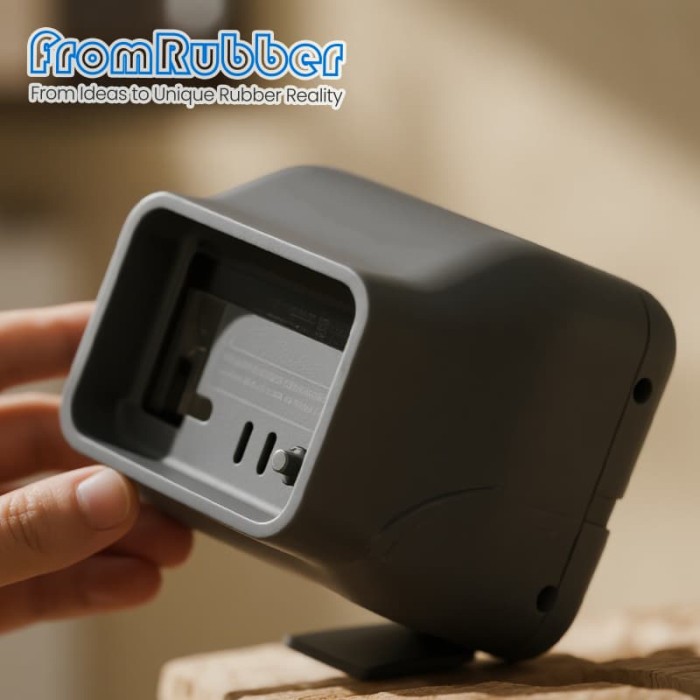
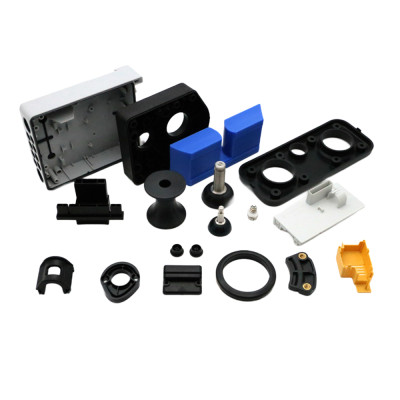
Custom Inject Plastic Enclosure - Pre-Drilled Holes for Connectors & Displays

| Share | |
|---|---|
| Categories | Custom Plastic Enclosure |
| Brand | FromRubber Silicone & Plastic OEM Manufacturer |
| Product Specifications | BH-Plastic Enclosure |
| Design | Follow 3D Drawing Or Physical Object |
| Process | Injection Molding |
| Feature | Secure & UL94 |
| MOQ | 1000pcs |
| Application | Connector Cutouts Pre-Drilled |
| FOB port | FOB ShenZhen |
| Terms of Payment | L/C, D/A, D/P, Western Union, MoneyGram, T/T, Paypal |
| Download |  |
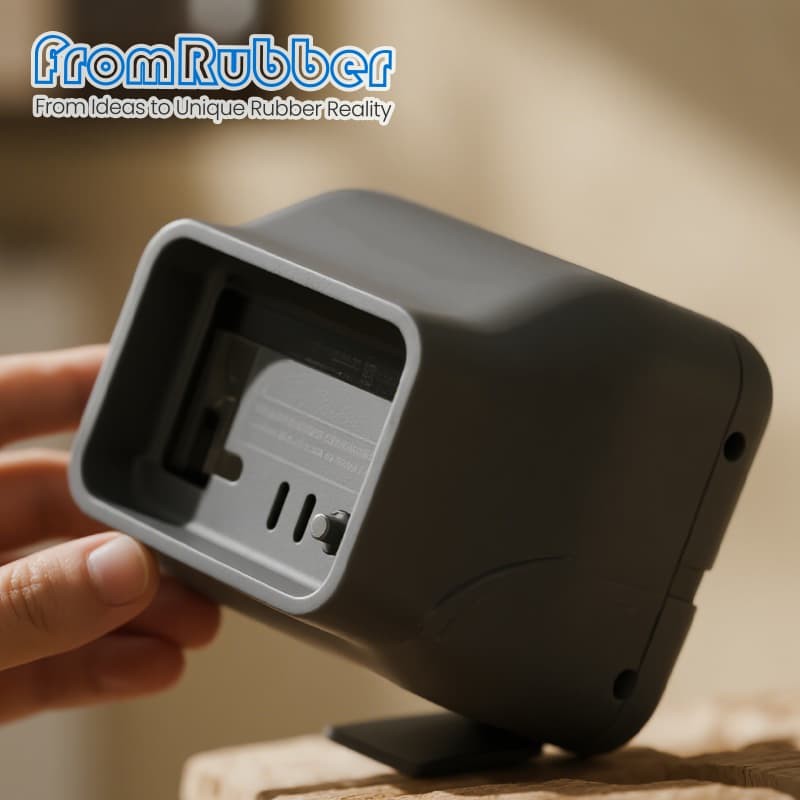
Enclosure engineering
Moulded-in holes and threads, instead of a second machining step
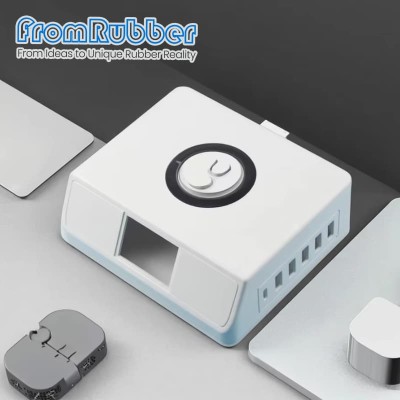
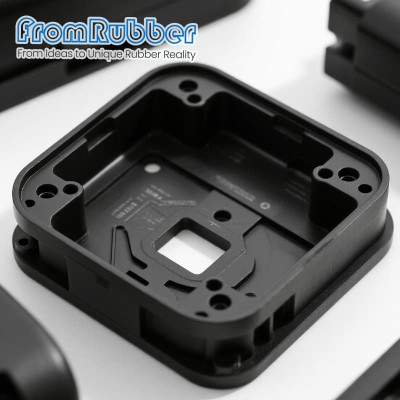
Every hole drilled after moulding costs a fixture, a setup and a tolerance band. Moulding them in holds ±0.15 mm across the run and takes drilling, tapping and deburring out of the routing: 1.0–25.0 mm through holes, M3–M12 threads, display windows and vent grids in the same shot.
What can be built into the tool
The list is longer than most drawings assume. If a feature can be formed by a core pin, a slide or an insert, it can usually be moulded in:
| Feature | Capability on this platform |
|---|---|
| Through holes | 1.0–25.0 mm diameter, ±0.15 mm |
| Threads | Moulded M3–M12, or ultrasonic and heat-staked inserts |
| Display windows | Rectangular, circular or free form, with moulded lenses |
| Ventilation | Louvers, mesh patterns and slots |
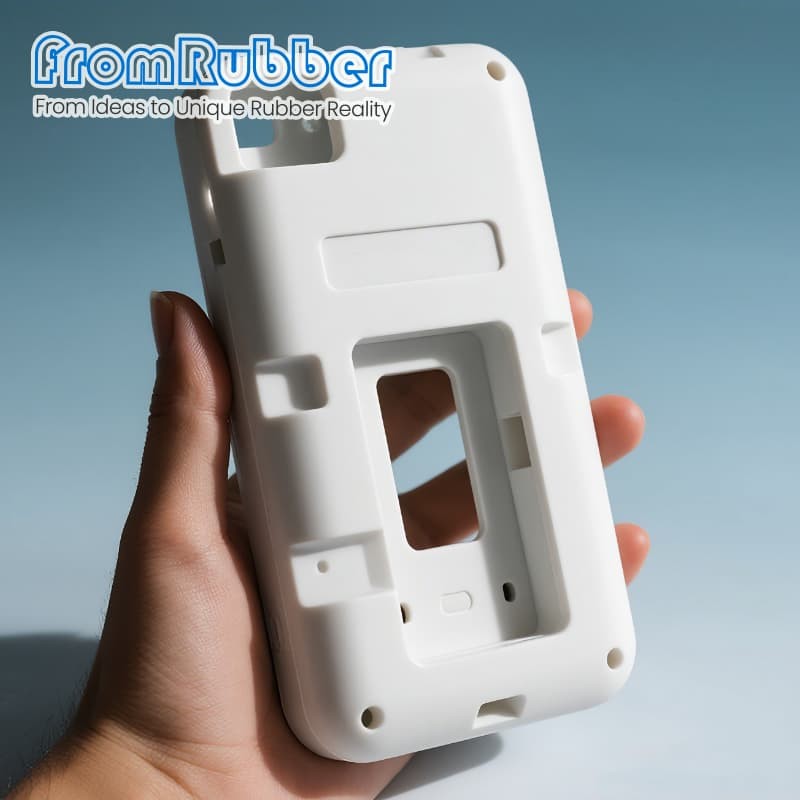
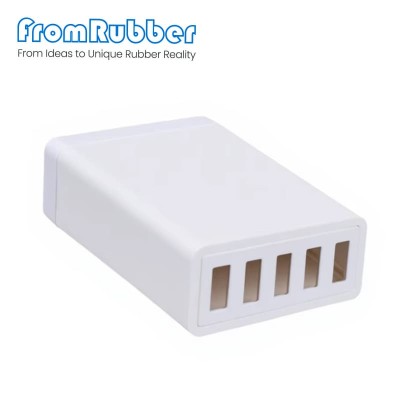
| Connector cutouts | DB9, DB25, USB, HDMI, RJ45, BNC, SMA |
| Cable entries | Strain-relief grooves and grommet seats |
| Mounting | Bosses, fan posts and standoffs |
What still has to be machined
Being honest about the limits saves a tooling round. Cross holes that intersect at an angle the slide cannot reach are machined. Threads finer than M3, knife-edge ports and holes within about 1 mm of the parting line are better drilled. Deep bores with a length-to-diameter ratio above roughly 4:1 need a core that will not deflect, and at that point a secondary operation is usually cheaper than the tooling.
The economics, stated plainly
Moulded-in features add around 5–15 % to the part price and nothing per hole afterwards. Post-machining adds 25–60 % to the unit cost, plus 5–15 days in the routing, plus a wider tolerance band — typically ±0.25 to ±0.5 mm against ±0.15 mm from the mould. The crossover is usually a few thousand units; below that, a standard box with drilled holes is the rational choice and we will say so.
Tooling strategy
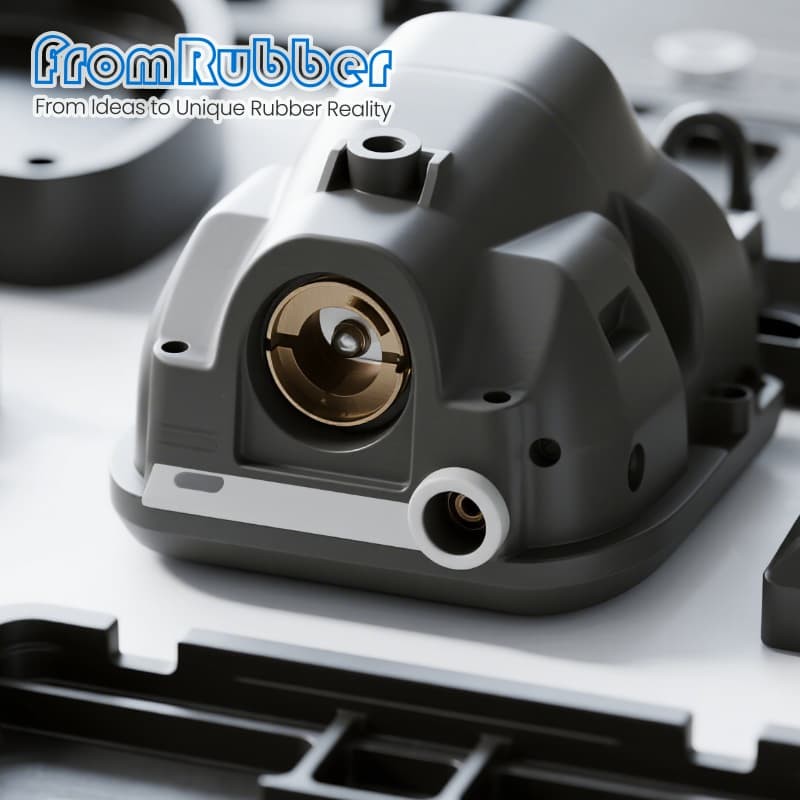
Prototypes run in aluminium tooling, production in P20 steel, and hole patterns are cut as modular inserts. That matters more than it sounds: a connector change six months into production becomes an insert change rather than a new mould. Presses run from 80 to 800 tonnes, which covers everything from a handheld instrument case to a floor-standing control cabinet.
Quality is closed out with first-article inspection, CMM data on every moulded feature and functional gauges for the connector interfaces. If your assembly line uses a go/no-go check, we can build the gauge to the same drawing.
How the project runs
What we need to quote
- 3D model, STEP or IGES
- 2D drawing with hole and thread callouts
- Connector and display part numbers
- Material and flammability requirement
- Colour and surface finish
- Annual volume and revision plan
What comes back
- DFM report with mould-flow notes
- Tooling plan and insert strategy
- Prototype parts for fit check
- First-article and CMM report
- Material and compliance certificates
- Assembly and kitting option
Send the STEP file with the hole callouts
A pre-drilled enclosure is quoted from the model and the connector list. Send both and the DFM report comes back with the features that should stay machined marked on it.
Request a DFM reviewInjection moulded partsfromrubber.com
+86 18926836960
Dongguan Bohao Electronic Technology Co., Ltd. IATF 16949:2016 / ISO 9001:2015 certified. Values shown are typical for the listed compound or platform; the drawing and the approved sample govern production.
- 加载中···
Start Your Project Today!
- Phone
- *Title
- *Content
Sign Up Out Newletter
