
Classic Rubber Parts for Vintage Car Restoration


| Share | |
|---|---|
| Categories | Custom Silicone Seals |
| Brand | FromRubber Silicone & Plastic OEM Manufacturer |
| Product Specifications | BH-auto11 |
| Product Name | Rubber Parts for Vintage |
| Material | Rubber Silicone |
| Color | Black,Custom |
| Shape | Customise |
| Appliciation | Vintage Car Restoration |
| Features | Classic |
| Sales Method | Product custom |
| Consultation Email | Suey@fromrubber.com |
| FOB port | Shenzhen |
| Terms of Payment | L/C, D/A, D/P, Western Union, MoneyGram, T/T, Paypal |
| Download |  |
Automotive Restoration / Short Runs
Classic Rubber Parts for Vintage Car Restoration: Reproducing Parts That No Longer Exist
Classic rubber parts for vintage car restoration rarely come from a drawing, because the drawing went out of production with the car. They come from a sample, a mating panel and a decision about whether the owner wants period behaviour or a part that survives being parked outside.
That decision is the whole job. A 1960s natural-rubber seal can be reproduced faithfully and fail in two summers, or reproduced in EPDM and outlast the car while looking slightly too smooth. Both are defensible; guessing is not.
- Runs from 5 pieces
- Single-cavity tooling
- Texture matched to sample
- NR, EPDM, silicone

Why Vintage Rubber Parts Cannot Simply Be Copied
Four reasons a straight copy of the original fails, and what replaces it.
- 01
The sample has already lost its dimensions
A forty-year-old seal has taken a set, swollen or shrunk depending on what it touched. Measuring it directly reproduces the damage, so the mating panel or the metal insert becomes the dimension reference.
- 02
The drawings did not survive the company
For many marques the tooling and drawings are gone. We reconstruct from the part, the panel and period photographs, then confirm the drawing with the owner before a tool is cut.
- 03
Compounds changed for good reasons
Original natural rubber had excellent compression recovery and poor ozone life. Reproducing it faithfully means accepting that the part will age the way the original did.
- 04
Tooling economics are different
A restoration run may be five pieces or fifty. Single-cavity aluminium or soft-steel tooling changes the cost model, but the surface finish still has to read as period-correct.
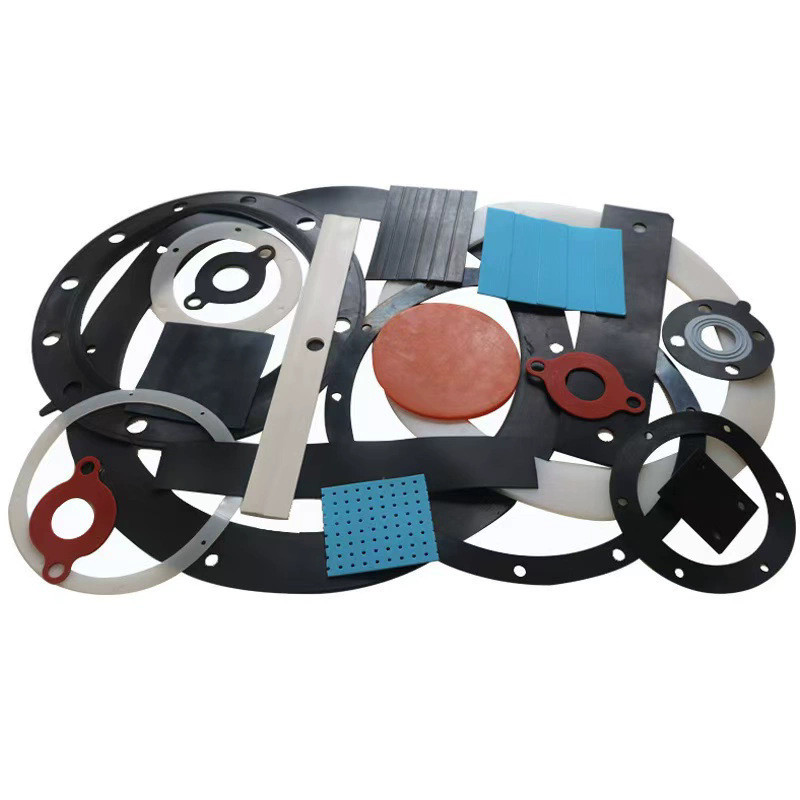
Classic Rubber Parts for Vintage Cars: Reproduction Decisions
| Decision | Period practice | Modern reproduction |
|---|---|---|
| Compound | Natural rubber, often fabric reinforced | NR where available; EPDM where weather demands it, disclosed on the drawing |
| Surface finish | Mould texture from period tooling | Texture matched to a sample, not smoothed or polished |
| Colour | Black with a period sheen | Matched to a physical master under daylight |
| Hardness | Often softer than modern equivalents | Measured on an unworn section, not the compressed area |
| Metal inserts | Period steel inserts, often plated | Same geometry with a current finish; plating disclosed |
| Run size | Large volumes with amortised tooling | 5-50 pieces on single-cavity tooling |
Each row is a conversation, not a default. The choice is written on the drawing so a later owner knows what is fitted and why.
Period Appearance Versus Modern Durability in Classic Car Rubber Parts
The two goals pull in different directions. Naming which one the car needs is the first engineering decision.
- 01
Where period behaviour matters
Diaphragms and fuel-system parts, where hardness and swell affect how the car runs. Here the original specification is the target and longevity is secondary.
- 02
Where durability should win
Door, boot and window seals that live in sunlight. EPDM is the honest recommendation even when the original was natural rubber, and the owner is told why.
- 03
Appearance that reads as original
Parting lines, texture depth and sheen are what an owner and a judge see. A smoother modern part looks wrong on a 1960s car even when it seals perfectly.
- 04
Stating the compromise
Every non-original material choice is written on the drawing, so the substitution is documented rather than discovered.
Where a modern car needs the same sealing logic applied to a current program, see car body rubber parts for tailored vehicle solutions.
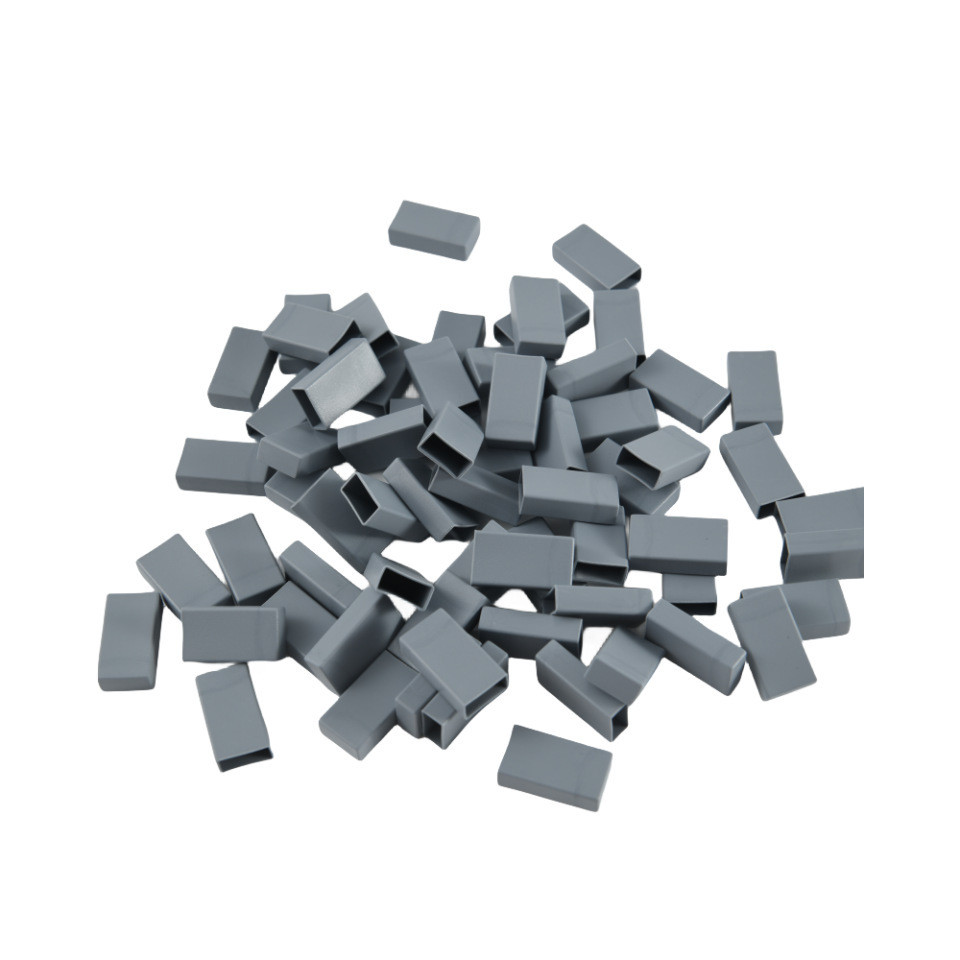
Low-Volume Moulding for Vintage Rubber Parts
Restoration work is low volume and high variety, which is why a measured drawing and a single-cavity tool matter more than cycle time. A part that fits once has to fit the next car of the same model, years later.
We mold under IATF 16949 and ISO 9001 quality systems with ISO 14001 environmental management. Short runs are quoted honestly, with tooling separated from the part price, and the drawing and texture master are retained so a second car can be matched without starting again.

From a Worn Sample to a Finished Classic Part
Four steps. The third is the one that decides whether the part looks right on the car.
Send the sample and the car
Model, year, position, plus photographs of how the part sits and what it touches.
Measurement and reconstruction
Interface dimensions from the mating part, hardness from an unworn section, then a drawing you approve.
Tool and first samples
Single-cavity tool, samples fitted on the vehicle, texture and sheen compared with the original.
Short run and repeat
Production in the agreed compound, with drawing and master retained so a later car can be matched.
Vintage Car Rubber Parts FAQ
What restorers ask before sending a part.
Can you reproduce a rubber part that is no longer made?
In most cases, yes. We work from the original if it still holds shape, from the mating panel if it does not, and confirm a drawing with you before any tool is cut.
Do you use the original compound?
Where it still exists and period behaviour is wanted, yes. Where weather resistance matters more, EPDM is recommended and the substitution is recorded on the drawing.
What is the minimum quantity for a restoration part?
Runs from a handful of pieces are possible on single-cavity tooling. Tooling is quoted separately so the cost per part is visible before you commit.
Will the new part look right?
Texture, parting lines and sheen are matched to a sample rather than smoothed. Owners and judges notice the finish before they notice the compound.
Send the sample, the model and the year
Photographs of the part in place help as much as the part itself. We reply with the dimensions we can recover, the compound choice and what a short run would take.
- 加载中···


Start Your Project Today!
- Phone
- *Title
- *Content
Sign Up Out Newletter
