
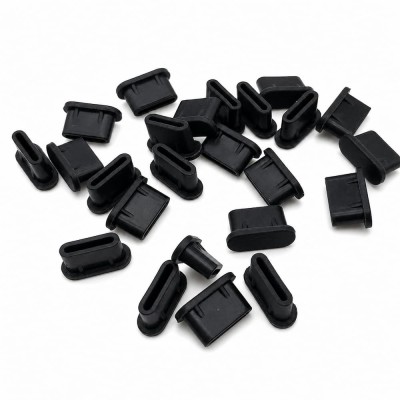
Auto Advanced Brake Rubber Parts for Superior Safety


| Share | |
|---|---|
| Categories | Custom Silicone Seals |
| Brand | FromRubber Silicone & Plastic OEM Manufacturer |
| Product Specifications | BH-auto11 |
| Product Name | Car Rubber Parts |
| Material | Rubber Silicone |
| Color | Black,Custom |
| Shape | Customise |
| Appliciation | Auto Advanced Brake |
| Features | Superior Safety |
| Sales Method | Product custom |
| Consultation Email | Suey@fromrubber.com |
| FOB port | Shenzhen |
| Terms of Payment | L/C, D/A, D/P, Western Union, MoneyGram, T/T, Paypal |
| Download |  |
Automotive Safety / Brake Systems
Auto Advanced Brake Rubber Parts for Superior Safety: Fluid Compatibility Comes First
Advanced brake rubber parts are chosen by fluid first and temperature second. A compound that is excellent in air will swell, soften or harden in glycol-ether brake fluid, and a swollen seal shows up as a long pedal rather than a visible leak.
Glycol-ether fluid is the reason EPDM dominates brake hydraulics: it tolerates the fluid that attacks most other elastomers. Every other decision on this page follows from that one fact.
- EPDM for glycol fluid
- Squeeze 15-25%
- Low compression set
- Cavity-level traceability
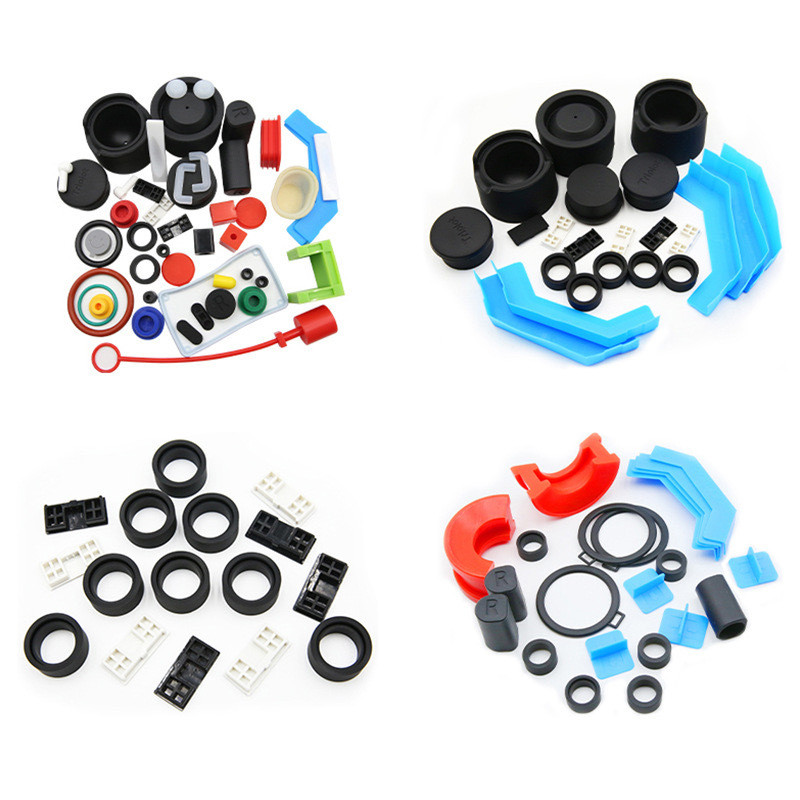
Where Advanced Brake Rubber Parts Fail in Service
Four failure patterns cover most brake-rubber warranty returns, and none of them is solved by a harder compound.
- 01
Fluid swelling, not wear
The wrong elastomer in glycol fluid swells or softens; pedal travel grows and the seal can extrude into the bore. EPDM is specified because it tolerates the fluid, not because it is the hardest material available.
- 02
Compression set after heat soak
A caliper or wheel-cylinder seal that takes a set loses residual pressure. Low-set EPDM grades and correct squeeze, typically 15-25%, protect pedal feel when the brake is hot.
- 03
Boot flex and ozone
Slide-pin and dust boots flex thousands of times in road spray. The usual failure is ozone cracking at the root of the convolution, not at the sealing lip.
- 04
Assembly damage
A seal cut by a sharp bore edge leaks immediately and gets blamed on the compound. Chamfers, insertion tooling and fluid-compatible assembly lubricant belong in the drawing review.
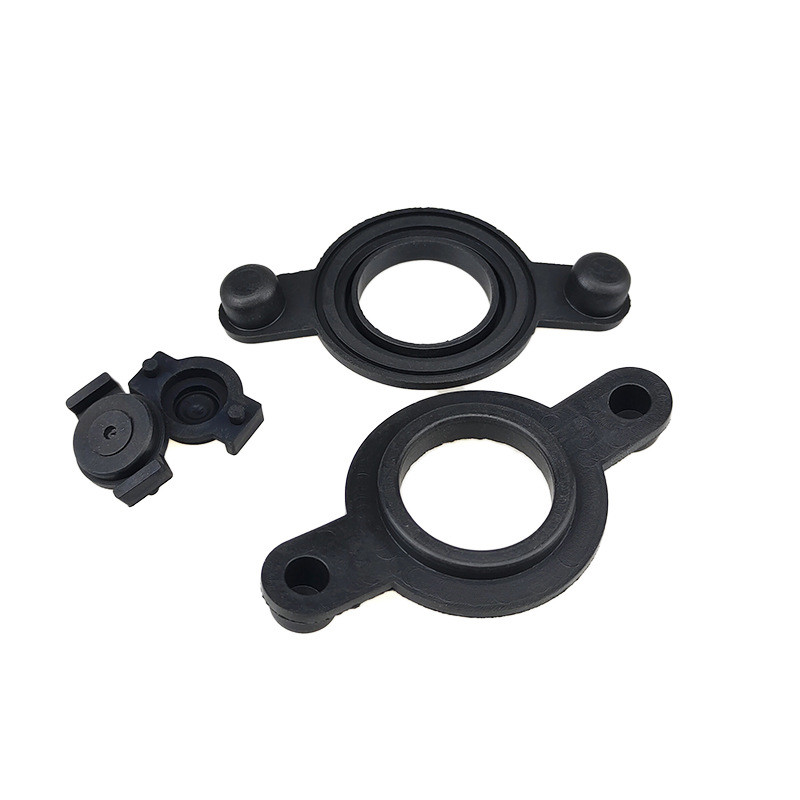
Brake Rubber Parts by Position: Duty and Material
| Position | Typical part | Duty | Material note |
|---|---|---|---|
| Master cylinder | Reservoir diaphragm, piston cups | Hold glycol fluid at low compression set | EPDM, fluid-specific grade |
| Caliper | Piston seal, slide-pin boots | Heat at the caliper, dust exclusion, flex life | EPDM, high tear strength |
| Wheel cylinder | Cups, dust boots | Pressure cycling at the wheel end | EPDM |
| ABS and modulator | Internal seals | Rapid pressure cycling, clean fluid paths | EPDM, clean-molded |
| Booster and vacuum | Diaphragm, valve seals | Flex life under vacuum | Fabric-reinforced NR or EPDM |
| Chassis and line routing | Sleeves, grommets | Abrasion, ozone and spray | EPDM |
Position, duty and material are agreed against the fluid specification and the temperature at that point. Nothing here replaces the vehicle manufacturer's own release requirement.
EPDM and Speciality Compounds for Advanced Brake Rubber Parts
The brake family is narrow on purpose: a compound that is merely similar is a safety risk, not an economy.
- 01
EPDM, the default
Glycol-fluid compatible, good heat and ozone resistance, and low compression set in the right grade. Most production brake seals are EPDM for exactly this combination.
- 02
Peroxide-cured EPDM
Better compression set and heat resistance than sulphur-cured grades, chosen where residual pressure and hot pedal feel matter more than cost.
- 03
Fabric-reinforced compounds
Diaphragms and boots that must hold pressure while flexing; the fabric limits growth and extends flex life under vacuum or pressure.
- 04
What must not be substituted
NBR and general-purpose silicone in glycol circuits. Silicone brake fluid is a different fluid family and needs seals validated for that fluid, never a straight swap on the same hardware.
Squeeze and thickness decisions are explained in silicone gasket thickness and its effect on compression and service life.
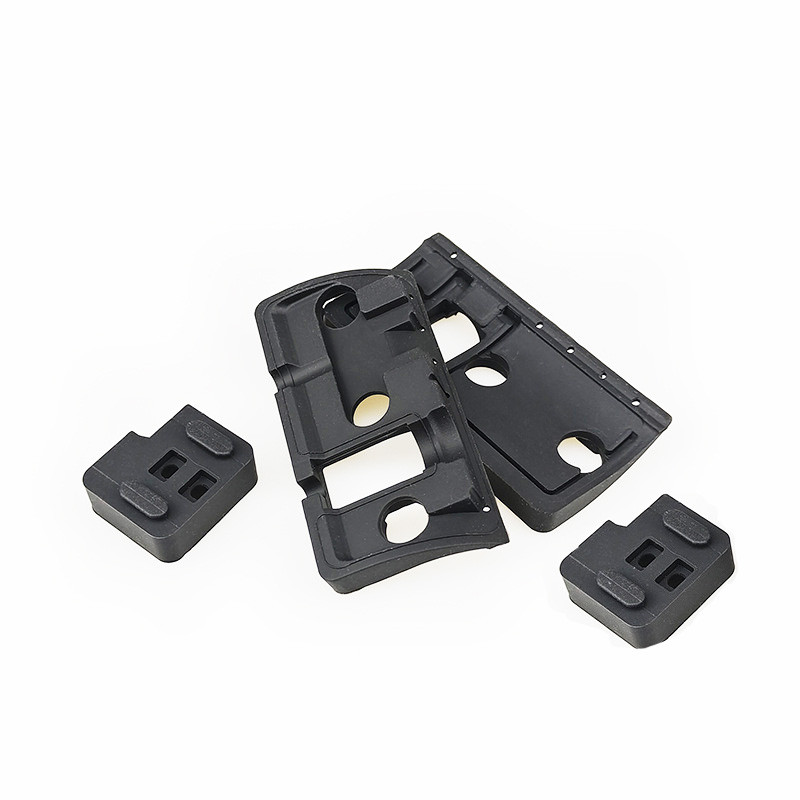
Validation Before a Brake Rubber Part Ships
Brake parts are validated on the assembled system, not on a coupon. Fluid immersion, pressure cycling, temperature cycling and dimensional checks are agreed before the first article, and the acceptance limits come from the program rather than from the supplier.
We mold under IATF 16949 and ISO 9001 quality systems with ISO 14001 environmental management. Brake batches are checked for hardness, compression set, key dimensions and visual defects, with cavity identity retained, because one bad cavity in a safety part is not a sampling question.

Four Steps From Drawing to a Brake Rubber Part
The fluid specification comes with the drawing. Without it, the review cannot start.
Send the position and the fluid
Where the part sits, which fluid family the system uses, and the temperature at that point.
Compound and squeeze review
We confirm elastomer, hardness and squeeze against pressure and temperature, and flag hardware features that would damage the seal at assembly.
Prototype and system validation
Samples from a single-cavity tool for fit and for the fluid and pressure tests the program requires.
Production with records
Multi-cavity tool, first article, batch test records and retained samples for the life of the part.
Brake Rubber Parts FAQ
Direct answers on material choice and validation.
Which rubber is used for brake seals?
EPDM is the standard for glycol-ether brake fluid, which covers DOT 3, DOT 4 and DOT 5.1, because it tolerates the fluid. Nitrile and general-purpose silicone are not substitutes in that circuit.
Can silicone be used for brake parts?
For dust boots and external protection, sometimes, where heat and ozone matter more than fluid contact. Not for seals that sit in glycol fluid; that is an EPDM duty.
Why do brake seals take a set?
Heat, squeeze and time. Lower squeeze and a low-compression-set grade slow it down; a seal that has taken a set shows up as a long pedal when the brake is hot.
Do you test every batch?
Batches are checked for hardness, compression set, dimensions and visual defects with records retained. Program-specific validation is agreed at kick-off and reported with each submission.
Send the fluid specification and the position
Tell us where the part sits, which fluid the system uses and the temperature at that point. We reply with the compound, the squeeze and the validation we would run before serial supply.
- 加载中···


Start Your Project Today!
- Phone
- *Title
- *Content
Sign Up Out Newletter
