
OEM Auto Rubber Parts for Original Equipment Quality


| Share | |
|---|---|
| Categories | Custom Silicone Pad |
| Brand | FromRubber Silicone & Plastic OEM Manufacturer |
| Product Specifications | BH-auto15 |
| Product Name | Auto Rubber Parts |
| Material | Rubber Silicone |
| Color | Black,Custom |
| Shape | Customise |
| Service | OEM |
| Features | Original Equipment Quality |
| Sales Method | Product custom |
| Consultation Email | Suey@fromrubber.com |
| FOB port | Shenzhen |
| Terms of Payment | L/C, D/A, D/P, Western Union, MoneyGram, T/T, Paypal |
| Download |  |
Automotive OEM Supply / Program Parts
OEM Auto Rubber Parts for Original Equipment Quality: What the Claim Has to Mean
OEM auto rubber parts for original equipment quality are defined by six things a buyer can check: drawing equivalence, compound control, dimensional capability, validation, documentation and change control. Everything else is an adjective.
A part that fits and works is not the same as an OEM-equivalent part. The difference shows up at the second batch, at the audit, or when the vehicle program changes the panel and asks why your part no longer seals.
- IATF 16949
- PPAP-style submission
- Cpk on critical dims
- PCN before change
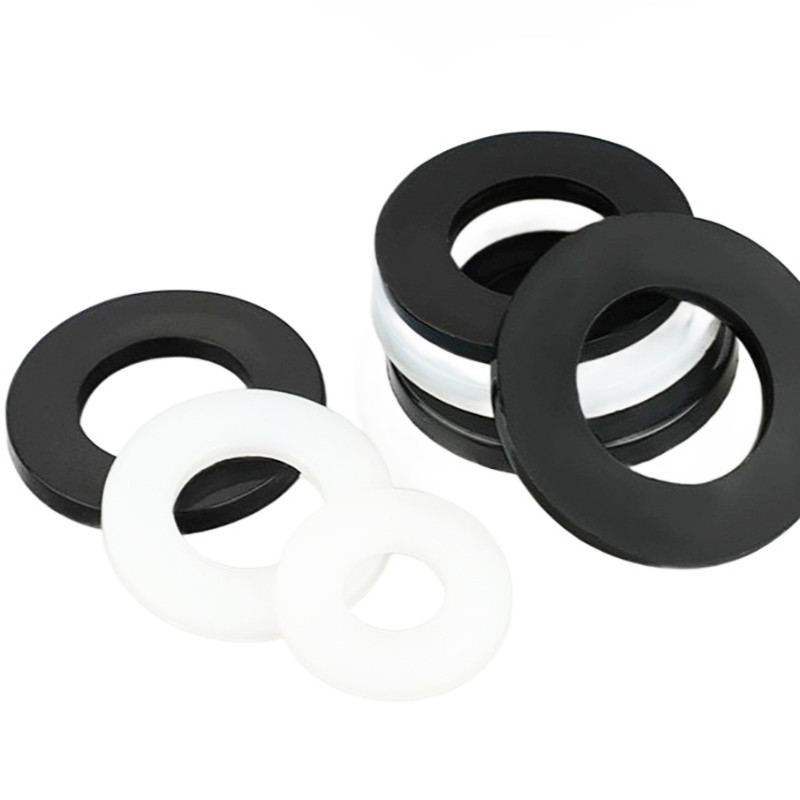
What Original Equipment Quality Requires From Auto Rubber Parts
Four requirements decide whether a rubber part can carry an OE part number. Each one is evidenced, not promised.
- 01
A drawing with a datum scheme
Interface dimensions, tolerances and datum references must match the OE drawing, not a measured sample. A part reverse engineered from a worn component is a replacement part, not an OEM part.
- 02
A named compound, not a material family
The TDS names the compound, hardness and cure system. Substituting an equivalent grade without notice is the most common cause of a part that passes first article and fails in the field.
- 03
Dimensional capability from the production tool
Capability is measured on parts from the multi-cavity production tool. A single-cavity prototype can be perfectly capable and still be irrelevant.
- 04
Validation and change control that survive an audit
Ageing, fluid and fit tests agreed at kick-off, plus written notification before any compound, tool or process change.
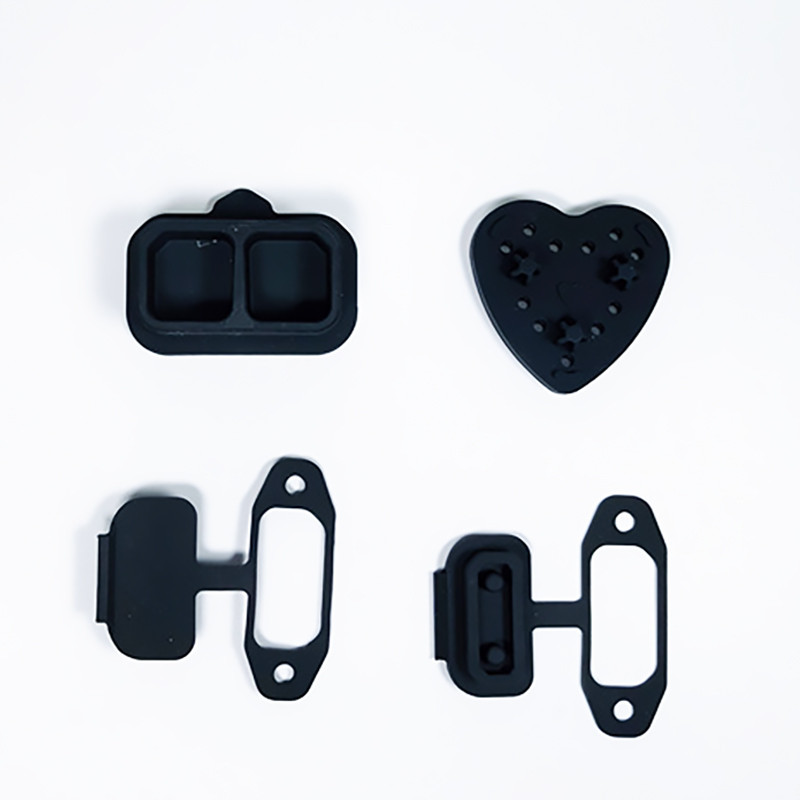
OEM Auto Rubber Parts: Acceptance Checklist
| Item | OEM-level requirement | How it is evidenced |
|---|---|---|
| Drawing equivalence | Tolerances, datums and interface dimensions identical to the OE drawing | Part drawing signed by both sides |
| Compound control | Named compound with TDS; no unannounced substitution | Compound record held per batch |
| Dimensional capability | Cpk agreed for critical characteristics, typically 1.33 or better | Capability study on production-tool parts |
| Validation | Ageing, fluid, temperature and fit checks agreed at kick-off | Test report with conditions and acceptance |
| Documentation | First article, control plan and material data | PPAP-style submission package |
| Change control | Notification before compound, tool or process change | Written PCN issued before shipment |
Checklist items are the ones that recur in OEM audits. What counts as critical, and the capability target, are agreed in the program rather than assumed from a template.
OEM Rubber Parts Versus a Part That Merely Fits
The gap between the two shows up in four predictable places.
- 01
Sample-based reverse engineering
Copying a worn part reproduces its wear. OEM work starts from a drawing or from the mating component, with the tolerance band recovered rather than guessed.
- 02
Compound substitution
A different but similar grade changes compression set and swelling. It fits on day one and leaks after a summer, which is why the compound is named on the drawing.
- 03
Tool ownership and transfer
The buyer should know who owns the tool and what happens if the supplier changes. Tool ownership is a commercial fact that protects the program, not a detail for later.
- 04
Batch traceability
Compound, cavity, cure and test records retained per batch. Without them, a field report cannot be traced back to a cause.
Where the program also demands body-panel fit and bake stability, the workflow in car body rubber parts for tailored vehicle solutions is the adjacent reference.
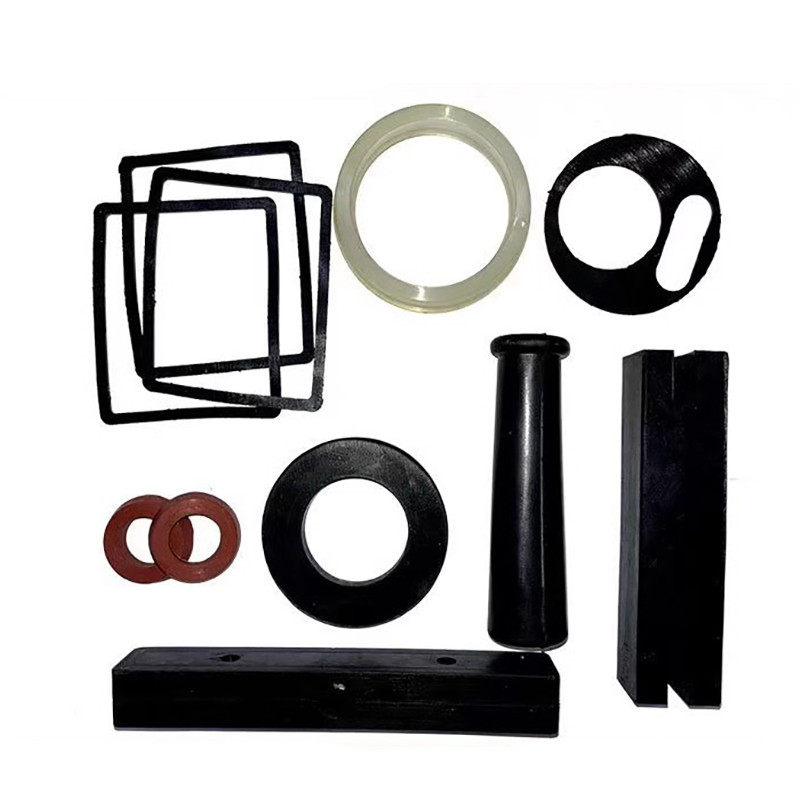
Documentation and Change Control for Original Equipment Parts
Documentation is the part of OEM supply that is easiest to promise and hardest to sustain. It only has value if the same records are produced on the third year of a program as on the first shipment.
We work to IATF 16949 and ISO 9001 quality systems with ISO 14001 environmental management. First article, control plan, material data and batch records are held against the part number, and any compound, tool or process change is notified in writing before it ships.

How an OEM Rubber Part Is Approved
Four gates, each of which can stop the program before tooling money is spent.
Drawing and volume review
OE drawing or mating component, annual volume, program life and the characteristics that are actually critical.
DFM and compound proposal
We propose the compound, hardness and tool concept, and flag drawings that cannot hold what they ask for.
Prototype and capability study
Single-cavity samples for fit and validation, then capability measured on production-tool parts.
First article and serial supply
PPAP-style submission, control plan, batch records and PCN discipline for the life of the part.
OEM Auto Rubber Parts FAQ
Questions buyers and program engineers raise before placing a first order.
Are your parts genuine OEM parts or OEM-equivalent?
They are OEM-equivalent parts molded to an OE drawing under an IATF 16949 system. Genuine OEM means produced under the vehicle manufacturer's own part number and release; we state which of the two a quotation covers.
Can you supply to an existing OE drawing?
Yes. Send the drawing with its datum scheme and the allowed deviations. If a dimension is unworkable in rubber, we say so before tooling rather than after the first article.
What capability can you hold on rubber dimensions?
It depends on the characteristic: molded dimensions are typically held to the drawing tolerance with a capability target agreed per program, commonly 1.33 on critical characteristics. Thin sections and bonded parts need their own review.
How do you handle a compound change?
It does not happen silently. Any change to compound, tool or process is raised in writing before it ships, with the validation evidence attached.
Send the drawing and the annual volume
Tell us the part number, the annual volume and the program life. We come back with a compound proposal, the tool concept and the documentation package the program would need.
- 加载中···


Start Your Project Today!
- Phone
- *Title
- *Content
Sign Up Out Newletter
