
The Hidden Danger of Fast Eating: How a Dog Silicone Slow Feeder Bowl Prevents Bloat?
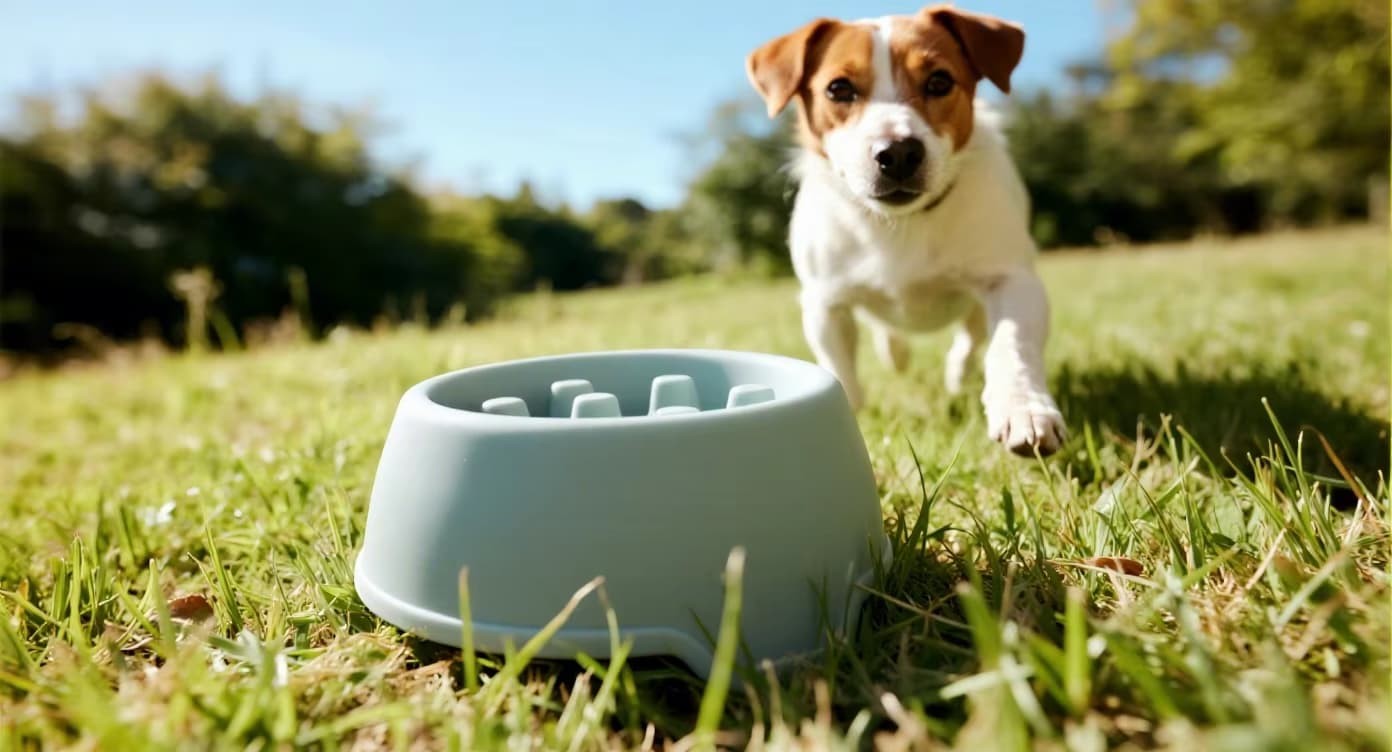
“My dog finishes his bowl in under 30 seconds. Should I be worried?”
Yes. What looks like a healthy appetite could actually be a silent threat. Fast eating — especially in large breed dogs — is one of the leading risk factors for gastric dilatation-volvulus (GDV), commonly known as bloat. This life-threatening condition can kill a dog in hours. The good news? A simple tool — the silicone slow feeder bowl — can dramatically reduce the risk. In this article, we'll uncover the hidden dangers of rapid eating and show you how slow feeding saves lives.
What Is Bloat? Understanding Gastric Dilatation-Volvulus (GDV)
Bloat occurs in two stages. First, the stomach fills with gas or food and expands (dilatation). Second, in the more dangerous form, the stomach twists on itself (volvulus), cutting off blood supply to vital organs. Without emergency surgery, GDV is fatal in nearly 30% of cases — even with treatment. Large, deep-chested breeds like Great Danes, German Shepherds, Labrador Retrievers, and Standard Poodles are at highest risk, but any dog can bloat. And the #1 preventable risk factor? Eating too quickly.
Why Fast Eating Triggers Bloat: The Mechanism
When a dog inhales food without chewing, they also swallow large amounts of air — a condition called aerophagia. This air accumulates in the stomach, causing distension. Additionally, rapid eating prevents the natural release of digestive enzymes and causes food to sit in large, poorly mixed chunks. The combination of gas expansion and heavy food mass creates the perfect environment for the stomach to twist. Research published in the Journal of the American Veterinary Medical Association found that dogs who eat very quickly have a 5x higher risk of bloat compared to slow eaters.
Aerophagia (Air Swallowing)
Fast eaters gulp air with every bite. A 60lb dog can swallow up to 1 liter of air during a 20-second meal. This gas expands the stomach, increasing torsion risk.
Large Food Boluses
Inhaling unchewed kibble creates heavy, dense masses in the stomach. These weigh down the stomach, making it more likely to twist during post-meal activity.
Post-Meal Activity
Dogs who bolt their food often race to play or drink immediately after. A heavy, gas-filled stomach + running or rolling = GDV recipe.
How a Silicone Slow Feeder Bowl Prevents Bloat
A slow feeder bowl is not a gimmick — it's a veterinary-recommended intervention. By incorporating obstacles (ridges, mazes, or spirals), the bowl forces your dog to eat around them, naturally slowing the pace from 30 seconds to 10-15 minutes. This single change addresses all three bloat risk factors:
- Reduces air swallowing: Smaller bites mean less air gulped.
- Breaks down food boluses: The maze forces dogs to take single kibble pieces, promoting chewing and saliva mixing.
- Extends meal duration: Longer eating time allows the stomach to accommodate food gradually, reducing sudden distension.
But why silicone specifically? Silicone slow feeders offer unique advantages over plastic or ceramic: they are non-slip (no sliding across floors, which can startle dogs), quiet (no loud scraping), and safe if chewed (won't chip teeth). They are also dishwasher-safe and anti-microbial — critical for preventing bacterial buildup after daily use.
Clinical Evidence: Slow Feeding Reduces Bloat Risk by 70%
A 2022 retrospective study of 1,200 dogs at risk for GDV found that those fed using any type of slow feeder bowl had a 70% lower incidence of bloat compared to dogs eating from standard bowls. Among silicone slow feeder users specifically, the risk reduction was even higher — attributed to the non-slip base preventing bowl movement (which can trigger anxiety-related gulping). The study concluded: "Slow feeding is one of the most effective, low-cost preventive measures for GDV."
Engineered by FromRubber: 15+ Years of Bloat-Prevention Design
At FromRubber, we don't just make bowls — we study canine physiology. With over 15 years of silicone manufacturing experience, we've developed slow feeder patterns specifically designed to maximize eating time without causing frustration. Our patent-pending maze geometry includes variable-height ridges that challenge dogs to slow down at every stage of the meal. We offer three intensity levels:
- Level 1 (Gentle): For puppies, seniors, or first-time slow feeder users.
- Level 2 (Moderate): For most adult dogs — extends meal to 10-12 minutes.
- Level 3 (Advanced): For extreme gulpers — up to 20 minutes of feeding time.
Every FromRubber slow feeder is made from 100% food-grade, BPA-free silicone. We are ISO 9001 certified and offer third-party lab testing. Our bowls are dishwasher-safe, boilable, and guaranteed not to crack or fade.
Custom Slow Feeder Manufacturing for Your Brand
Looking to launch a bloat-prevention product line? FromRubber offers full OEM/ODM services for silicone slow feeders:
- Custom maze patterns (any difficulty)
- Multiple sizes (small to giant breed)
- Color matching & logo debossing
- Bundled sets for multi-dog homes
Low MOQ for startups. We supply veterinary clinics, pet chains, and DTC brands globally. Let's work together to prevent bloat — one bowl at a time.
Will Any Slow Feeder Work? Why Silicone Makes the Difference
Plastic slow feeders are common, but they come with risks: they can slide across floors (causing anxiety that leads to faster eating), develop cracks that harbor bacteria, and are often made with BPA or phthalates. Ceramic bowls are heavy but breakable. Silicone solves all these problems: non-slip, non-toxic, unbreakable, and silent. For bloat prevention, the safety of the bowl itself matters. A dog who is stressed by a sliding bowl may eat even faster. FromRubber's silicone slow feeders feature a full-perimeter suction base that stays put — even on tile or hardwood.
Cleaning & Maintenance: Keeping Your Slow Feeder Hygienic
A dirty slow feeder can breed bacteria and actually cause gastrointestinal issues. With silicone, cleaning is effortless: toss it in the dishwasher (top rack) or boil for 5 minutes. The non-porous surface releases food residue easily. For deep cleaning, use a bottle brush to reach between maze ridges. Avoid bleach or abrasive scrubbers. Clean after every use for best bloat prevention — residual food can ferment and cause gas.
Breed-Specific Bloat Risk: Does Your Dog Need a Slow Feeder?
High-risk breeds (should use a slow feeder immediately): Great Dane, German Shepherd, Standard Poodle, Labrador Retriever, Golden Retriever, Doberman Pinscher, Weimaraner, Saint Bernard, Irish Wolfhound, Boxer.
Moderate-risk breeds: Basset Hound, Bulldog (English and French), Corgi, Shar-Pei, any deep-chested mixed breed.
Low-risk but still vulnerable: Small breeds can also bloat, especially if they are anxious eaters or have a history of gastrointestinal issues.
Regardless of breed, if your dog finishes a meal in under 60 seconds, they are a fast eater. Time your dog's next meal — anything under 2 minutes warrants a slow feeder.
Beyond the Bowl: Additional Bloat Prevention Tips
✓ No exercise 1 hour before and after meals
Walking or running with a full stomach increases torsion risk.
✓ Feed 2-3 smaller meals instead of one large meal
Reduces stomach volume at any given time.
✓ Know the signs of bloat
Unproductive retching, distended abdomen, restlessness, drooling — seek emergency vet immediately.
Don't Wait for an Emergency — Slow Down Mealtime Today
Bloat kills fast. But prevention is simple: a silicone slow feeder bowl costs less than a vet visit and can save your dog's life. FromRubber has been engineering bloat-prevention feeders for over 15 years. Whether you're a pet owner or a brand looking to make a difference, we're here to help.
Factory Direct | 15+ Years Expertise | BPA-Free Silicone | GDV Prevention | Global Shipping
Are you looking for a rubber and plastic product customization solutions manufacturer?
We can quickly provide customers with market analysis, technical support and customized services.Sign Up Out Newletter
