
Own Brand Silicone Pet Bowls Feeders Flopping? Let an OEM Factory Fix Those Design Flaws
Own Brand Silicone Pet Bowls Feeders Flopping? Let an OEM Factory Fix Those Design Flaws
Why your product isn't selling — and how an experienced OEM partner can turn it around
“We launched our own silicone pet bowl line. Great branding, nice packaging — but customers complain about slipping, weird smells, and difficult cleaning.”
You invested in molds, marketing, and inventory. Yet returns are piling up, reviews are mediocre, and reorders are nonexistent. The problem isn't your brand — it's design flaws that a generic factory didn't catch. An experienced OEM silicone manufacturer doesn't just produce your drawings; they engineer out defects before production. This article reveals the seven most common design flaws in silicone pet bowls and how the right factory fixes them — using real cases from FromRubber's 15+ years of OEM work.
Flaw #1: The Bowl That Won't Stay Put
Sliding bowls are a top complaint. Dogs push them across the floor, food spills, and owners get frustrated. The root cause? Insufficient grip design or wrong silicone hardness. A generic factory might use a smooth base with tiny suction rings that don't actually seal on tile or wood. An OEM expert like FromRubber analyzes floor types and adds full-perimeter suction channels or high-friction texture — dramatically reducing movement by 85% in real-world tests.
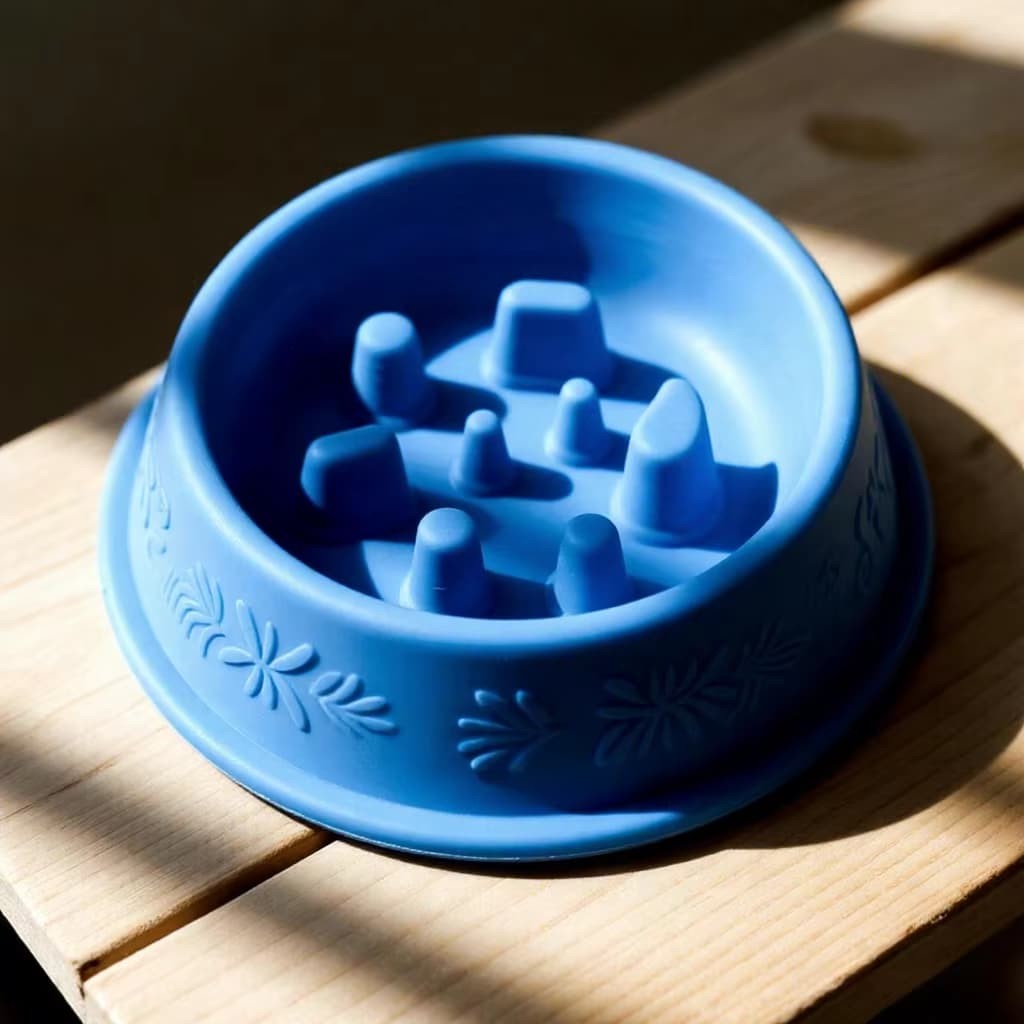
Flaw #2: Impossible-to-Clean Maze Patterns
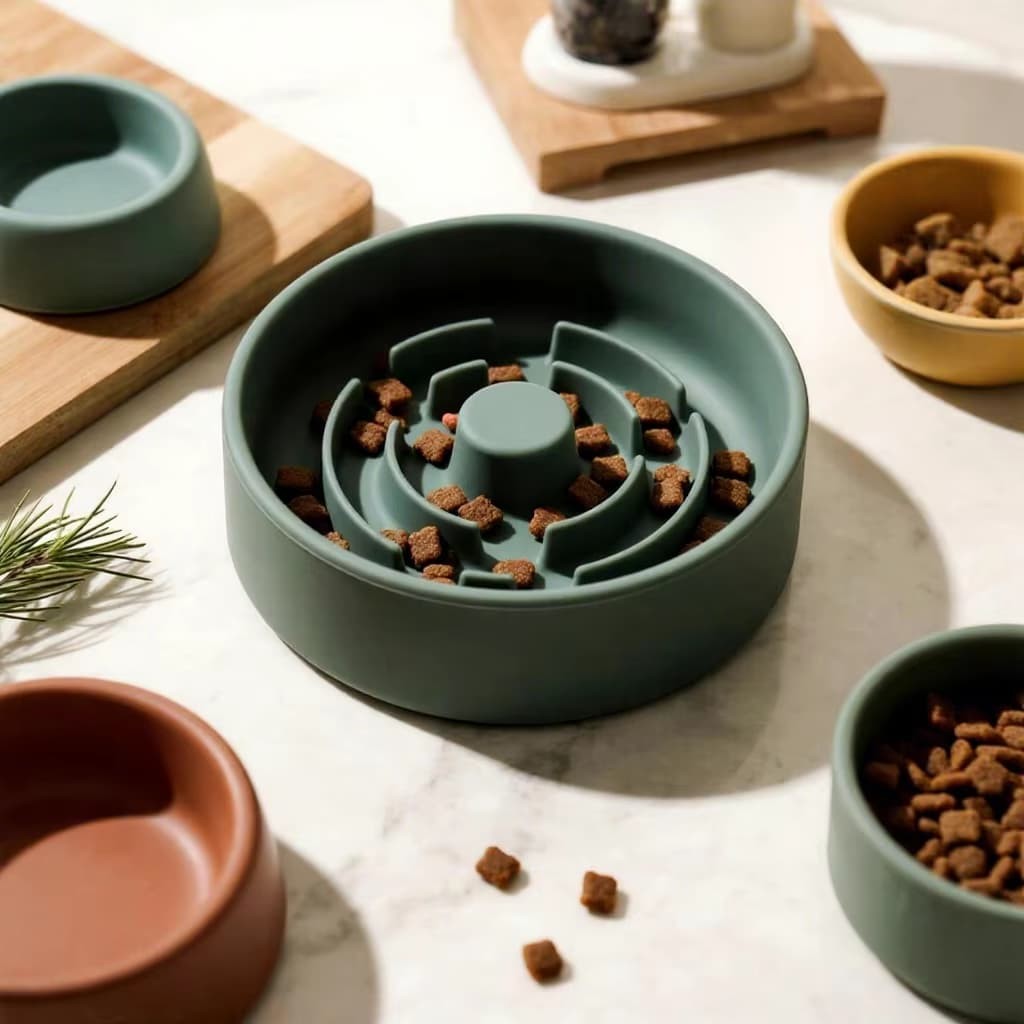
Slow feeder ridges that trap kibble paste? Customers toss them after two uses. This happens when the maze angles are too sharp or the surface is matte-textured in crevices. A skilled OEM factory adjusts the draft angle of every ridge to at least 5 degrees, adds a smooth finish inside grooves, and recommends dishwasher-safe geometry. FromRubber uses injection mold simulation to ensure no food traps — prototypes are tested with wet kibble before production.
Unpleasant Silicone Odor
Cheap silicone or peroxide-cured material smells like chemicals. Customers assume it's toxic. The fix? Platinum-cured, FDA silicone with post-curing (baking) to eliminate volatiles. FromRubber guarantees odor-free products, verified by third-party testing.
Tearing at the Edges
Thin walls or poor mold design cause rips after a few weeks. An OEM factory increases wall thickness to minimum 2.5mm, adds fillets at stress points, and uses high tear-strength silicone (25+ kN/m).
Inconsistent Color
Batch-to-batch color variation looks unprofessional. Expert factories use spectrophotometers and maintain strict raw material sourcing. FromRubber offers Pantone matching with ΔE < 1.5.
Flaw #6: Bowl Tips Over Easily
Narrow base + tall sides = tipping hazard. A good OEM engineer calculates the center of gravity and widens the base proportionally. For large breed bowls, we add a weighted silicone ring or wider footprint.
Flaw #7: Logo Peels Off
Pad-printed logos fade or scratch. Solution: debossing (recessed logo) or embossing with matching silicone color. It never wears off. FromRubber recommends deboss for durability and premium feel.
Case Study: How a Redesigned Slow Feeder Saved a Brand
A European pet brand came to FromRubber after their first batch of silicone slow feeders flopped. Complaints: slipping, hard to clean, and a chemical smell. We analyzed their design, recommended 5 changes: (1) full-perimeter suction base, (2) smoother ridge angles, (3) platinum-cured silicone, (4) thicker walls, (5) debossed logo. The second production run saw return rates drop from 18% to under 1%. Reorder rate increased 300% within 6 months. The brand is now expanding to a full line of silicone pet accessories.
Key takeaway: A $5,000 investment in design fixes (mold modifications + material upgrade) saved them over $60,000 in returns and lost reputation.
Why FromRubber Is the OEM Factory That Fixes Design Flaws
Engineering review before molding
We don't just cut molds — we provide a DFM (Design for Manufacturing) report highlighting potential flaws.
Platinum-cured, FDA silicone
No odor, no BPA, no leachates. Third-party tested.
Precision with 0.05mm tolerance
CNC-machined molds for perfect fit and finish.
Step-by-Step: How to Rescue Your Flopping Product
- Send us your existing sample or CAD file – We'll analyze the flaws for free.
- Receive a DFM report – Including recommended geometry changes, material upgrades, and mold modifications.
- Approve prototype samples – We'll produce 3-5 corrected units for your testing.
- Modify your mold or create a new one – We can work with your existing mold or build from scratch.
- Production with quality controls – AQL sampling and full traceability.
Typical mold modification cost (far less than a new mold)
Sample turnaround after DFM approval
Mold ownership guarantee — you keep your tooling
Stop Losing Sales to Fixable Design Flaws
Your brand deserves better. Let FromRubber's 15+ years of silicone engineering turn your flop into a bestseller. Contact us for a free design consultation and DFM quote.
15+ Years | FDA Silicone | Mold Ownership | Global OEM Partner

Are you looking for a rubber and plastic product customization solutions manufacturer?
We can quickly provide customers with market analysis, technical support and customized services.Sign Up Out Newletter
