The True Cost of Cheap Silicone Products: What Hidden Risks You Should Know
FromRubber Engineering Team · Updated July 2026 In custom silicone manufacturing, a 30% price gap rarely comes from efficiency — it comes from corners cut. The client who celebrated saving $0.30 per part is often the same client returning six months later with peeling ink, rejected containers, or a customs seizure notice. After 15 years and 8,000+ projects at FromRubber, we have documented the same pattern: a low initial price, acceptable first-batch samples using premium materials, followed by progressive quality degradation. The most common shortcut: approved samples use genuine virgin silicone, but production runs use substitutes. Burn test (white smoke = pure), stretch-and-whiten test, batch-specific COA, third-party testing via SGS or TUV. Cheap manufacturers compromise on steel grade (P20 vs S136 hardened), surface finish (Ra 1.6 vs 0.2 μm), and cooling channels. Result: mold life of 50K cycles instead of 500K+. A poor mold generates ongoing costs through frequent maintenance and higher scrap rates. Cheap operations skip surface preparation, causing ink peeling, color inconsistency (ΔE > 3), registration drift beyond ±0.5 mm, and incomplete curing. Proper silicone ink withstands 100,000+ rub cycles with the right process. Fake certificates, expired credentials, limited-scope certifications, and material-level vs. product-level compliance are documented schemes. Products entering the EU or US without verifiable documentation face seizure. Always verify certificate numbers on the certifying body's database. 100% virgin silicone from Wacker/Dow. In-house mold workshop, S136 steel, 500K+ cycle life. 3-tier QC. ISO 9001, IATF 16949, ISO 14001. 22,000 m² campus, 220+ machines. Stretch-and-whiten test + batch-specific COA from every production batch. ISO 9001:2015. For specific industries: IATF 16949, ISO 13485, FDA. As low as 100-500 pieces. Prototype molds in 3-5 days. Free DFM analysis, 2-hour quote turnaround.The True Cost of Cheap Silicone Products: What Hidden Risks You Should Know
The Bargain That Isn't
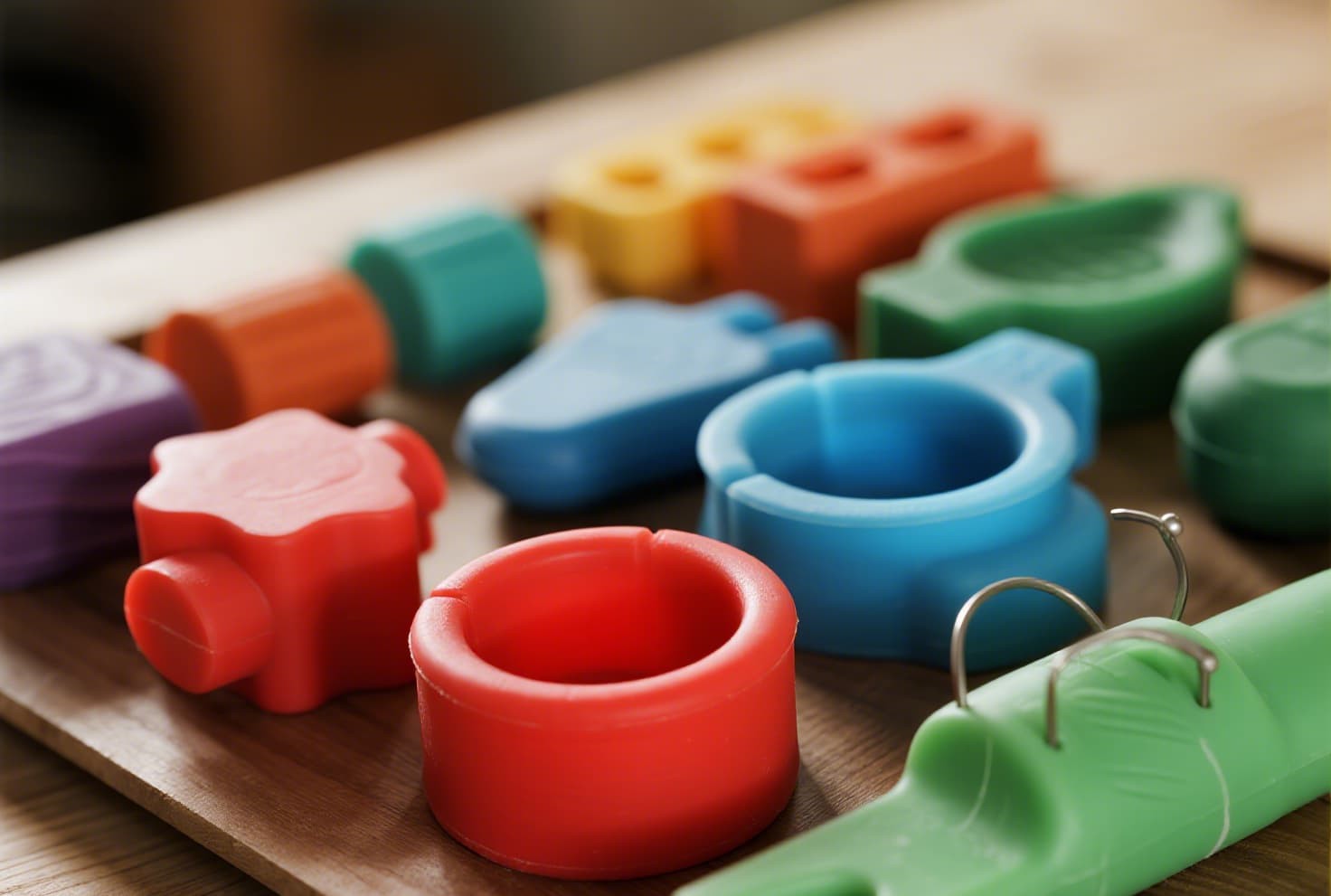
Material Substitution — The Silent Killer
Detection Methods
Mold Quality Shortcuts
Screen Printing Defects
Certification Fraud and Customs Risks
Long-Term Cost Analysis
Cost Category Quality Supplier Low-Cost Supplier Unit price $1.00 $0.70 (-30%) Scrap rate 0.5% 8-15% Rework cost ≈ $0 15-25% of order Customer return rate < 1% 5-12% Effective cost per good part $1.01 $1.12-$1.35 FromRubber's Quality Investment
FAQs
How to detect recycled silicone?
Minimum certifications to look for?
FromRubber's MOQ?
Need Expert Guidance?