Silicone Keypad vs Rubber Keypad vs Elastomer Keypad: The Ultimate Material Selection Guide
Silicone Keypad vs. Rubber Keypad vs. Elastomer Keypad: The Ultimate Material Selection Guide
A European medical device manufacturer received a production sample from a new supplier, only to discover that the keypads specified as silicone rubber were actually made from standard neoprene rubber. The material substitution was discovered during biocompatibility testing — the neoprene failed ISO 10993 cytotoxicity requirements, forcing an $18,000 emergency redesign and a 6-week production delay. This confusion between silicone (VMQ), natural rubber (NR), and synthetic rubber (NBR/EPDM) keypad materials is remarkably common in global sourcing, making material specification verification a critical procurement step.
Understanding the Three Material Classes for Keypad Manufacturing
FromRubber maintains dedicated production capabilities for silicone VMQ, NBR, EPDM, and natural rubber keypads. This multi-material expertise allows its engineering team to recommend the optimal material for each specific application through a detailed evaluation covering operating temperature range, chemical exposure, actuation cycle requirements, and regulatory compliance needs. — silicone VMQ, NBR, EPDM, and natural rubber — and maintains dedicated production capabilities for each. This multi-material expertise allows our engineering team to recommend the optimal material for each specific application rather than being limited to a single material type. Our material selection process begins with a detailed application questionnaire covering operating temperature range, chemical exposure, actuation cycle requirements, and regulatory compliance needs, ensuring that the recommended material delivers the best balance of performance and cost for the project.
The terms silicone, rubber, and elastomer are often used interchangeably in product specifications, but they refer to fundamentally different material classes with distinct chemical structures, performance characteristics, and cost profiles. Silicone (VMQ - Vinyl Methyl Silicone) is a synthetic polymer with a silicon-oxygen backbone (Si-O-Si), distinguished by its inorganic backbone structure. Silicone rubber exhibits the widest operating temperature range of -60°C to 230°C, excellent chemical resistance, and exceptional biocompatibility. According to ASTM D2000 M2GE 607, silicone rubber maintains 80% of its tensile strength after 70 hours at 225°C — a benchmark that organic rubbers cannot approach. Natural rubber (NR) and synthetic rubber (NBR/EPDM/CR) have carbon-carbon backbones typical of organic polymers. While generally less expensive than silicone, they have narrower temperature ranges of -30°C to 100°C for NBR and are more susceptible to ozone cracking, UV degradation, and chemical attack. Elastomer is a generic umbrella term for any polymer with elastic properties, and both silicone and rubber are elastomers. When a supplier says "elastomer keypad," clarifying which specific elastomer is essential for correct material selection.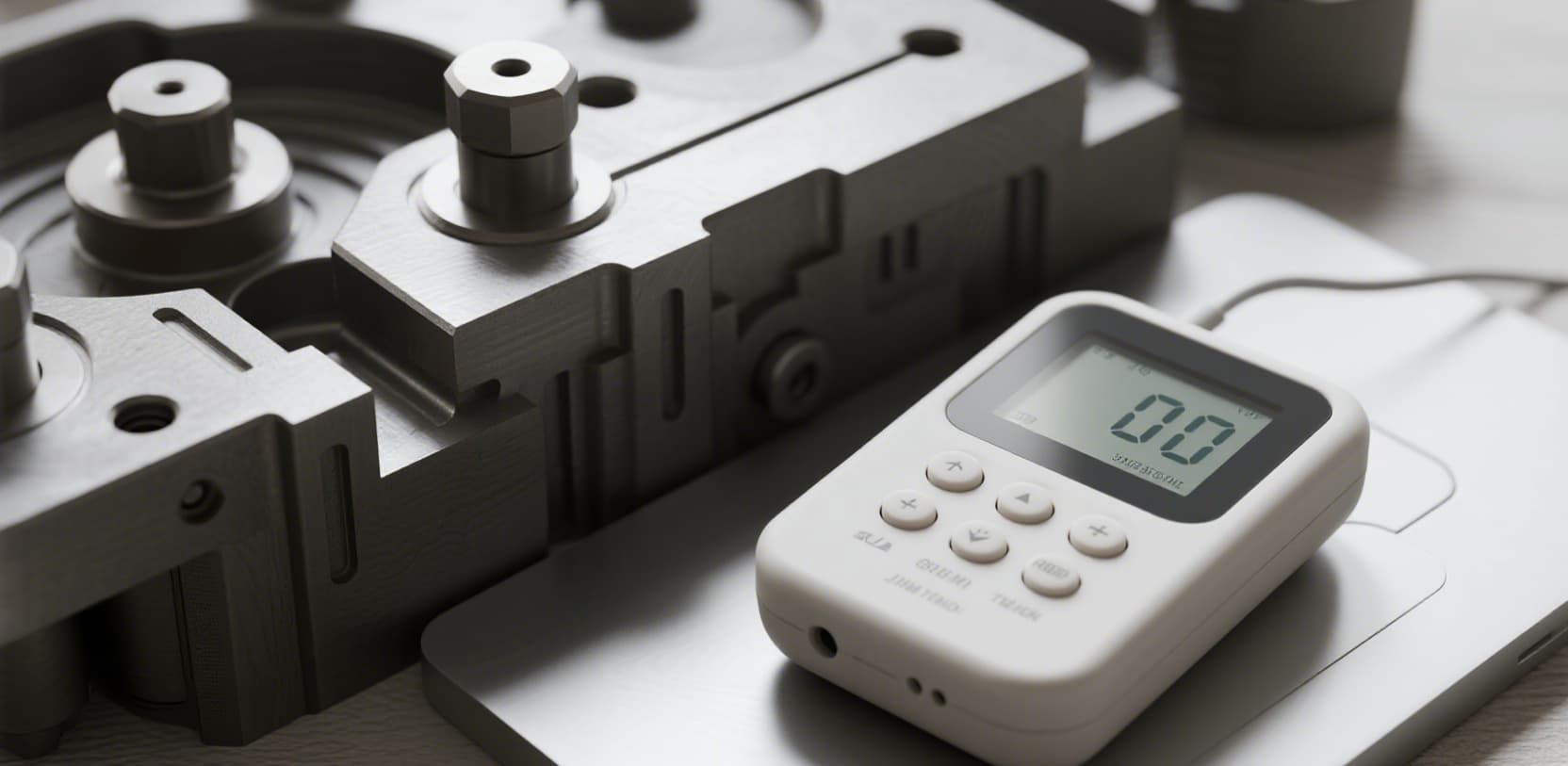
Comprehensive Material Comparison: Silicone vs. Rubber Keypads
Based on standardized testing data across ASTM, ISO, and SAE specifications, the key differences are significant. Temperature range per ASTM D2000 shows silicone (VMQ) at -60°C to +230°C, NBR at -30°C to +100°C, EPDM at -40°C to +120°C, and natural rubber at -20°C to +70°C. Compression set after 22 hours at 100°C per ASTM D395 shows silicone at 10-20%, NBR at 25-45%, and EPDM at 20-35%. Lower compression set means the keypad returns to its original shape more completely after prolonged compression — critical for maintaining tactile feel over the product's lifetime. Tensile strength per ASTM D412 shows silicone at 5-10 MPa, NBR at 10-20 MPa, and NR at 15-25 MPa. While silicone has lower absolute tensile strength, this parameter is rarely the limiting factor in keypad applications. Tear strength per ASTM D624 shows silicone at 10-30 kN/m, NBR at 30-60 kN/m, and NR at 40-80 kN/m. For keypads with thin wall sections of 0.3-0.5mm, tear strength becomes relevant during snap-dome actuation. Abrasion resistance per ASTM D3389 shows silicone at moderate with 80-150 mm³ loss per 1,000 cycles, NBR at good with 40-80 mm³, and NR at excellent with 20-50 mm³. UV and ozone resistance shows silicone as excellent with no degradation after 1,000 hours UV per ASTM G154, NBR as poor with cracking within 100 hours, EPDM as good, and NR as poor requiring protective additives. Relative cost per kg based on 2025 pricing shows silicone at $5.50-$9.00, NBR at $2.50-$4.50, EPDM at $2.00-$3.50, and NR at $2.00-$4.00. However, when factoring in longer mold life and lower defect rates, total cost per functional keypad is often comparable.
Contact Technologies: Conductive Carbon Pill vs. Gold Contact vs. Conductive Ink
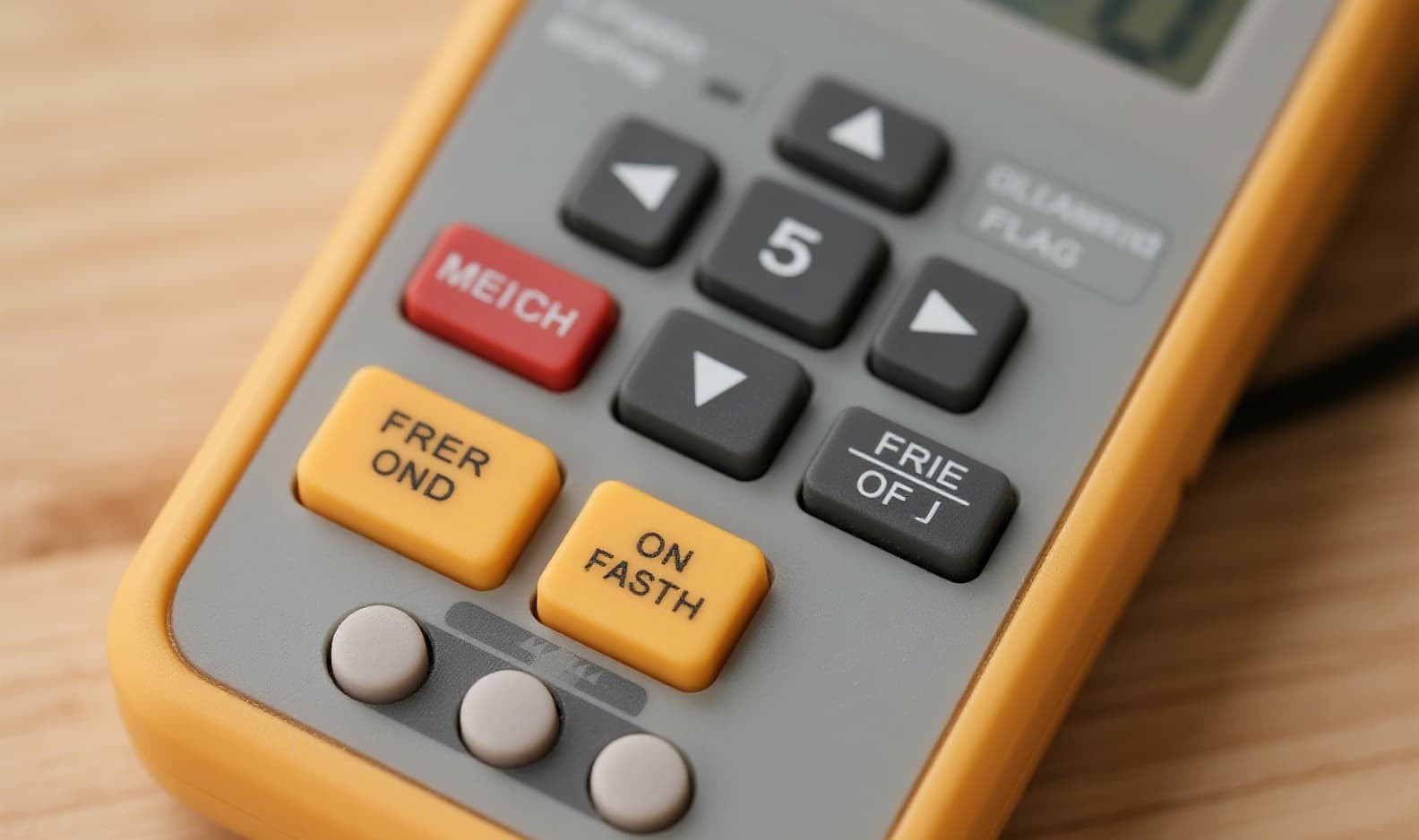
The electrical contact method is equally important as the base material selection. Conductive carbon pills are the standard approach — a carbon-impregnated silicone pill is molded integrally with the keypad underside, providing contact resistance of 50-200Ω. This is best for cost-sensitive applications with moderate cycle life requirements up to 500,000 cycles, though the carbon contact can wear over time with resistance increasing by 20-30% over the product lifetime. Gold-plated contacts paired with a conductive silicone pill provide contact resistance of less than 10Ω, making them best for medical devices, automotive, and applications requiring over 1,000,000 cycle life at a cost premium of 15-25% over carbon pill designs. Conductive ink printed as silver or carbon-based ink onto the keypad underside provides contact resistance of 10-100Ω depending on ink formulation. This is best for complex geometries where integrally molded pills are impractical, though conductive ink is susceptible to delamination after 200,000-500,000 cycles in humid environments with above 60% relative humidity.
LSR vs. Solid Silicone: Processing Differences for Keypad Manufacturing
Silicone Rubber (LSR) and solid silicone (HCR - High Consistency Rubber) are two forms of silicone material with distinct processing characteristics. LSR is a two-part liquid injected at high pressure into heated molds with a cure time of 5-30 seconds. It is best for high-volume, complex geometries, and thin wall sections. LSR keypads have excellent dimensional consistency with a typical CPK greater than 1.67. However, LSR tooling costs 30-50% more than compression molding tools, ranging from $4,000 to $10,000. HCR or solid silicone uses pre-formed sheets of silicone rubber compression molded in heated presses with a cure time of 90-300 seconds. It is more economical for low-to-medium volumes and simpler geometries, with tooling costs of $1,500-$5,000 compared to $4,000-$10,000 for LSR tooling. The choice between LSR and HCR depends primarily on volume requirements and part complexity.Application-Based Material Selection Decision Tree for Keypads
FromRubber's material consultation service provides sample plaques and data sheets for validation testing before production tooling commitment, ensuring the selected material meets all performance requirements before any mold manufacturing investment begins. where our application engineers review your product requirements and recommend the optimal keypad material based on your specific operating conditions, regulatory environment, and production volume. We provide material data sheets and sample plaques for validation testing before committing to production tooling, ensuring that the selected material meets all performance requirements before any investment in mold manufacturing begins.
Use this decision framework to select the optimal material for your specific application. For medical devices including diagnostic equipment, patient monitors, and surgical tools, the recommended material is platinum-cured silicone (VMQ) with gold-plated contacts, complying with ISO 10993 biocompatibility, FDA 21 CFR 177.2600, and USP Class VI standards. NBR, NR, or peroxide-cured silicone should be avoided due to cytotoxicity concerns. For consumer electronics including remote controls, wearables, and toys, peroxide-cured silicone (VMQ) with conductive carbon pills is cost-effective and sufficient for 200,000-500,000 cycle life requirements, with anti-yellowing formulation recommended for visible keypads. For industrial controls including HVAC, machinery, and process automation, silicone (VMQ) or EPDM is recommended depending on chemical exposure. EPDM offers better resistance to ketones and esters but has a poorer temperature range. For oily environments, NBR is preferred due to its excellent oil resistance with volume swell less than 10% in IRM 901 oil at 100°C per ASTM D471. For automotive interior applications including dashboard controls and steering wheel switches, silicone (VMQ) with conductive carbon or gold contacts is recommended, meeting SAE J2464 and automotive interior fogging requirements with gravimetric fogging less than 3mg per DIN 75201.
Case Study: Air Quality Monitor Material Migration Achieves 4x Life Improvement
A manufacturer of industrial air quality monitors was using NBR keypads in their gas detection instruments. The NBR material exhibited 15% swell after 1,000 hours of exposure to calibration gas (isobutylene at 100 ppm), causing keypad binding in the housing. Switching to conductive silicone VMQ keypads eliminated the swelling issue and, unexpectedly, extended the keypad life from 300,000 to 1,200,000 cycles — a 4x improvement. The per-unit cost increase of $0.45 was offset by a 73% reduction in field failure returns, resulting in a net cost reduction of $0.32 per unit when factoring in warranty and replacement costs.
Request a Material Sample Kit for Your Keypad Evaluation
Comparing silicone, rubber, and elastomer materials by specification sheet alone is insufficient for informed decision-making. FromRubber offers a comprehensive material sample kit containing 12 material variants including silicone VMQ at 50A, 60A, and 70A, platinum-cured silicone, NBR, EPDM, and conductive and non-conductive variants for your engineering team to evaluate firsthand in your specific application environment. Each sample is labeled with its material type, Shore hardness, and key performance data, allowing direct comparison of tactile feel, surface finish, and chemical resistance using your own testing protocols. We also offer custom formulation development for applications with unique performance requirements beyond standard material grades.