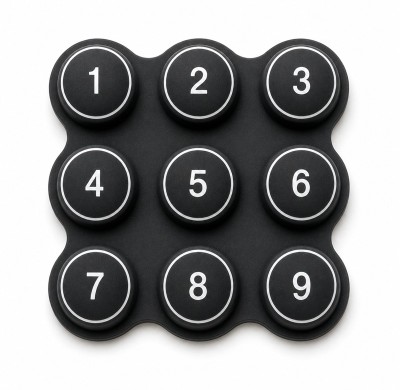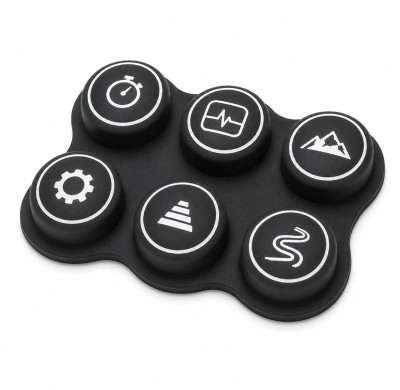
Silicone Keypad and Plastic Enclosure Waterproof Sealing: IP67 to IP68 Design Guide
When an EV charging station control panel fails after six months in the field, the root cause is almost never a dramatic flood event. It is the slow, invisible accumulation of moisture through microscopic gaps — a few microliters per thermal cycle, day after day, until the PCB corrodes. "Our EV charging station control panel failed after six months. The seals were intact on paper, but water had crept in through the keypad gap." — European EV infrastructure company Waterproof sealing at the human-machine interface is one of the most challenging design problems in electronic product engineering. This guide covers three proven sealing architectures, the engineering rules for IP65 to IP68, and the hidden failure mode — pressure equalization. IP68 requires sustained hydrostatic pressure resistance with mechanical clamping to prevent gasket creep. Molded rib compresses 20-30%. IP67 without extra gaskets. Field-replaceable O-ring. Adds part cost and complexity. Chemical bond creates molecular seal. IP68 achievable. A continuous silicone rib (0.30–0.60 mm wide) compresses 20-30% against the housing. Most cost-effective method for consumer and industrial use. Separate O-ring in a groove. Field-replaceable but adds one more component and potential failure point. Directly overmolded onto the plastic substrate. Molecular-level seal with no gap — the gold standard for premium medical, marine, and outdoor equipment. Compression ratio: 20–30% standard. Below 15% unreliable; above 40% risks permanent deformation. Contact pressure: At least 0.2 N/mm² for IP67. Surface finish: SPI A-2 (2–5 μm Ra) or better. Temperature drops from 60 °C to 10 °C create 15–18 kPa vacuum that sucks moisture through micro-gaps. Solution: an ePTFE pressure vent that breathes air but blocks water. European manufacturer's remote failed after 18 months. Redesigned with silicone overmolding, compressed perimeter rib (25% compression), and ePTFE vent. Zero field failures after 36 months. Part count from 8 to 4, costs down 35%. Q: Can I achieve IP67 with a standard silicone keypad? Q: Cost difference between compression seal and overmolding? Q: How do disinfectant wipes affect silicone seals? Match the design to the IP target, production volume, and environment. FromRubber offers free DFM analysis and design-for-waterproofing reviews. Get your free waterproofing assessment Water Ingress Is the Silent Killer of Electronic Products

1. Understanding IP Ratings for Silicone Keypad and Plastic Enclosure Assemblies
IP Rating Protection Level Typical Application IP65 Water jets (12.5 L/min) Wash-down industrial panels IP67 Temporary immersion (1 m, 30 min) Outdoor remote controls, medical equipment IP68 Continuous immersion Marine equipment, rugged handheld devices 2. Three Sealing Architectures Compared
Integrated Sealing Lip
Compression Gasket
Silicone Overmolding
2.1 Integrated Sealing Lip
2.2 Compression Gasket
2.3 Silicone Overmolding
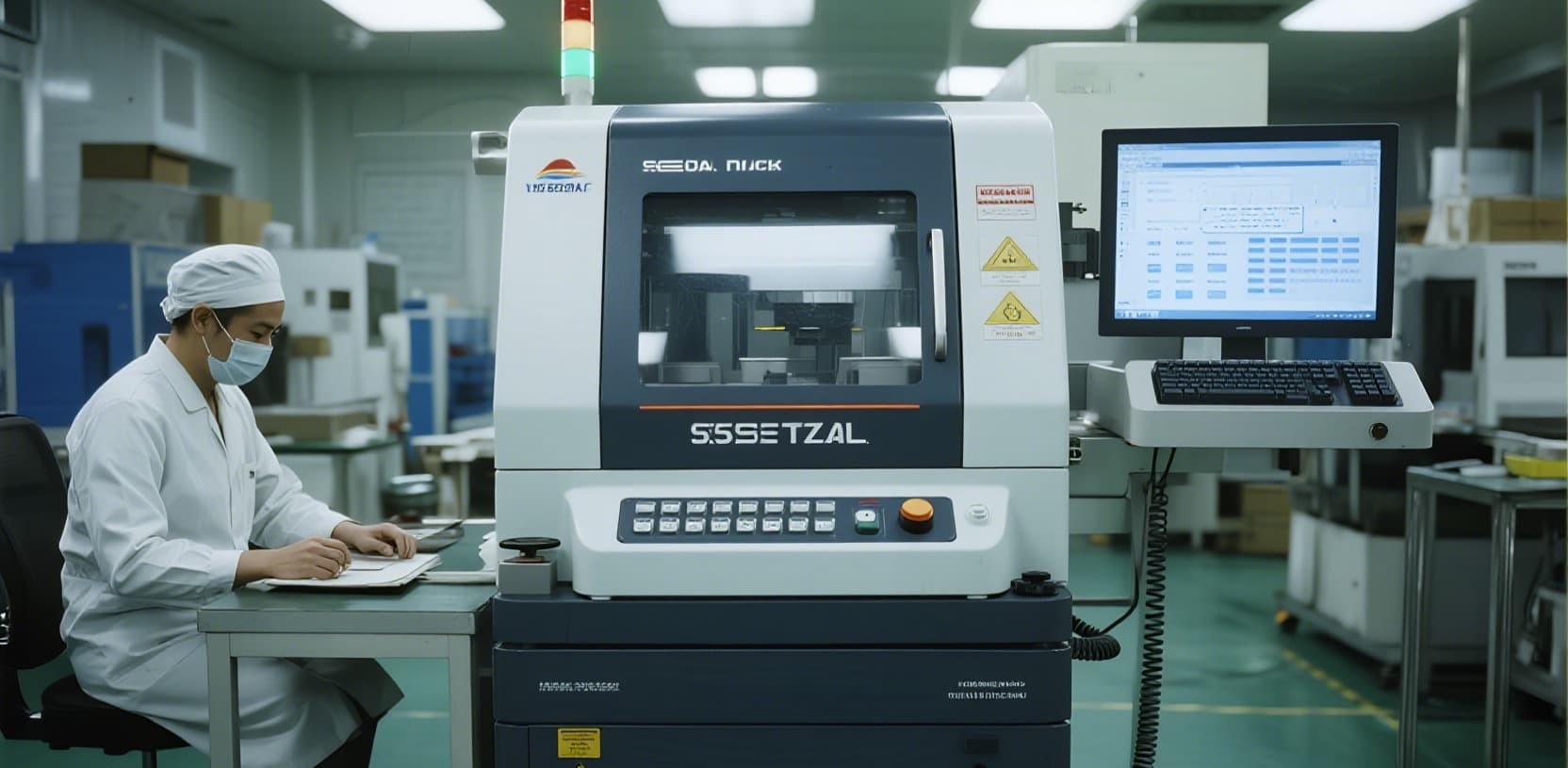
3. Engineering Design Rules
4. The Hidden Killer: Pressure Equalization
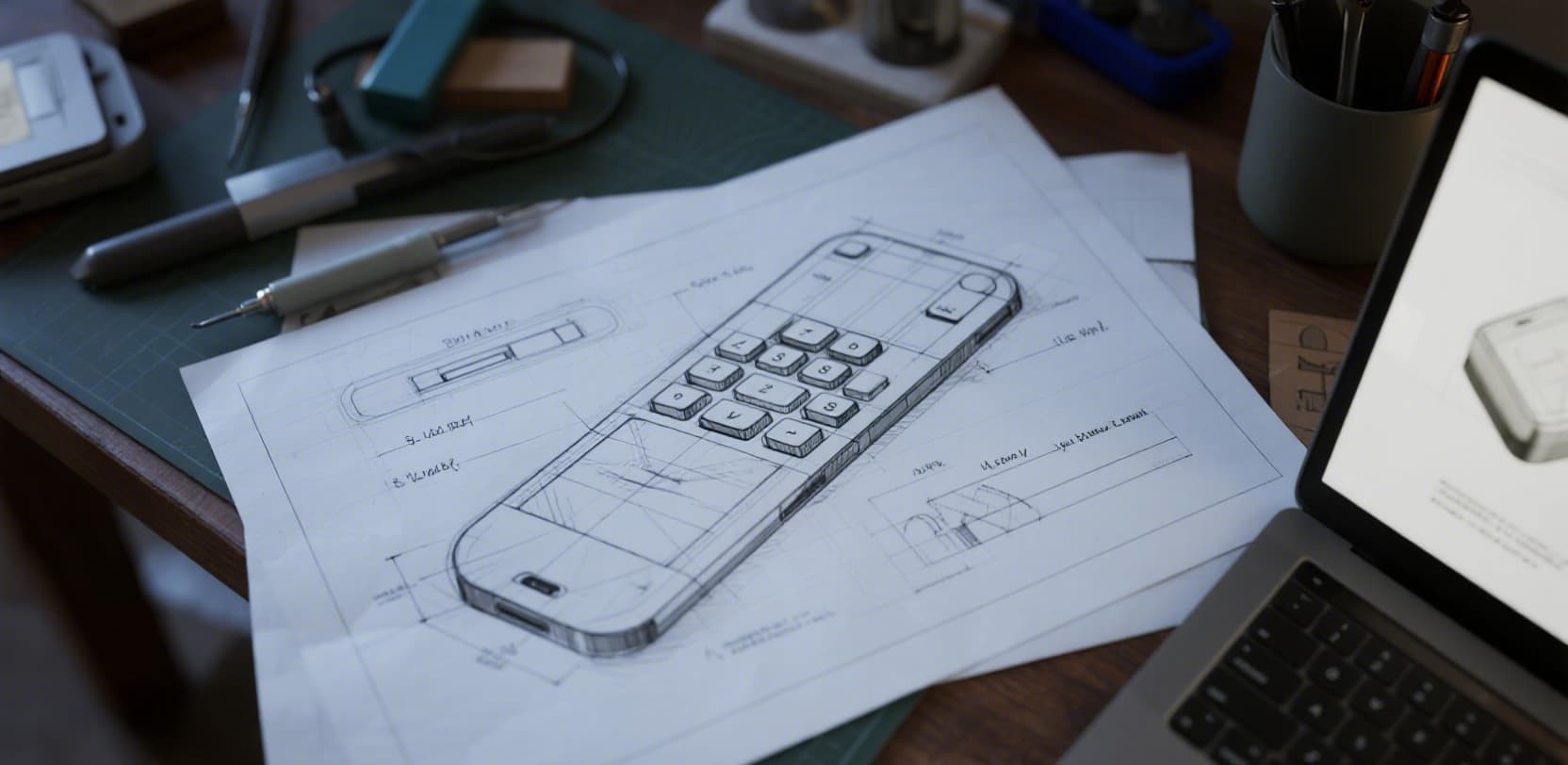
5. Material Selection for Long-Term Reliability
Environment Recommended Silicone Key Property Medical Platinum-cured, ≤50 Shore A 10,000+ IPA wipe cycles Outdoor / EV chargers UV-stabilized + HALS 5+ year UV resistance Industrial / Chemicals FVMQ or PU-coated Oil and solvent resistance Food processing FDA-grade + anti-microbial NSF/3-A sanitary 6. Case Study: Motorcycle Remote Goes IP68
7. Testing and Validation Protocols
8. Frequently Asked Questions
A: Yes, with a continuous sealing rib at 20–30% compression against SPI A-2 surface.
A: Overmolding adds $8,000–$40,000+ tooling, offset within 12–18 months at 100k+ units/year.
A: Frequent IPA degrades peroxide-cured silicone. Use platinum-cured with PU coating. 9. Seal It Right the First Time