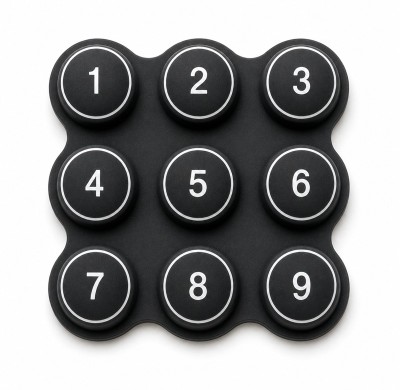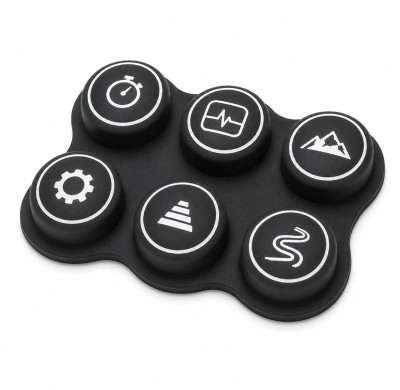
How to specify instrument silicone keypad for consistent feel from –40°C to +85°C?
Select the Right Silicone Compound
Low glass‑transition temperature (Tg) is non‑negotiable. Standard silicone becomes stiff below –20°C. Specify a compound with Tg below –60°C and a durometer that varies less than 5 Shore A across the full temperature range. Add proprietary fillers to stabilise modulus.
- Require a temperature‑versus‑hardness curve from your supplier.
- Prefer platinum‑cured over peroxide‑cured for better low‑temperature flexibility.
Define Keypad Geometry & Wall Thickness
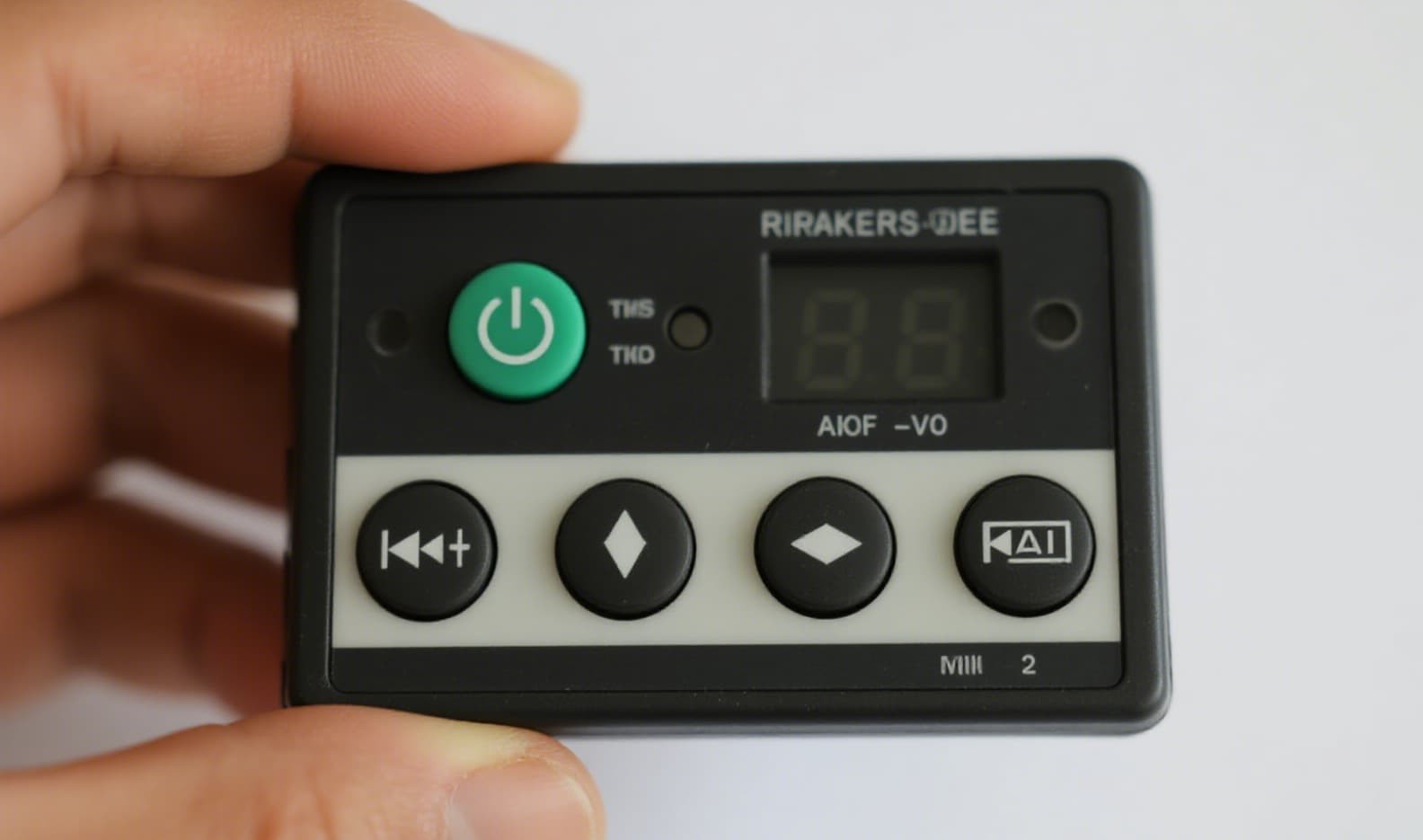
Thinner webs and shorter travel reduce temperature‑induced force drift. Specify a nominal wall thickness with a tight tolerance (±0.05 mm) and require simulation that predicts force change per °C.
- Use FEA (finite element analysis) to model force‑stroke at –40°C and +85°C.
- Add stress‑relief features (e.g., rounded corners, tapered pillars) to avoid buckling at low temperatures.
Specify Force‑Stroke Curves & Tolerance Bands
Define a nominal force‑stroke curve at 23°C and require that the curve at –40°C and +85°C falls within a ±10% band of the nominal. This ensures the tactile response remains recognisable.
- Set actuation force tolerance at room temperature to ±5g.
- Request that the snap ratio (peak‑to‑valley force) changes by less than 15% across the temperature range.
Demand Contact Resistance Stability
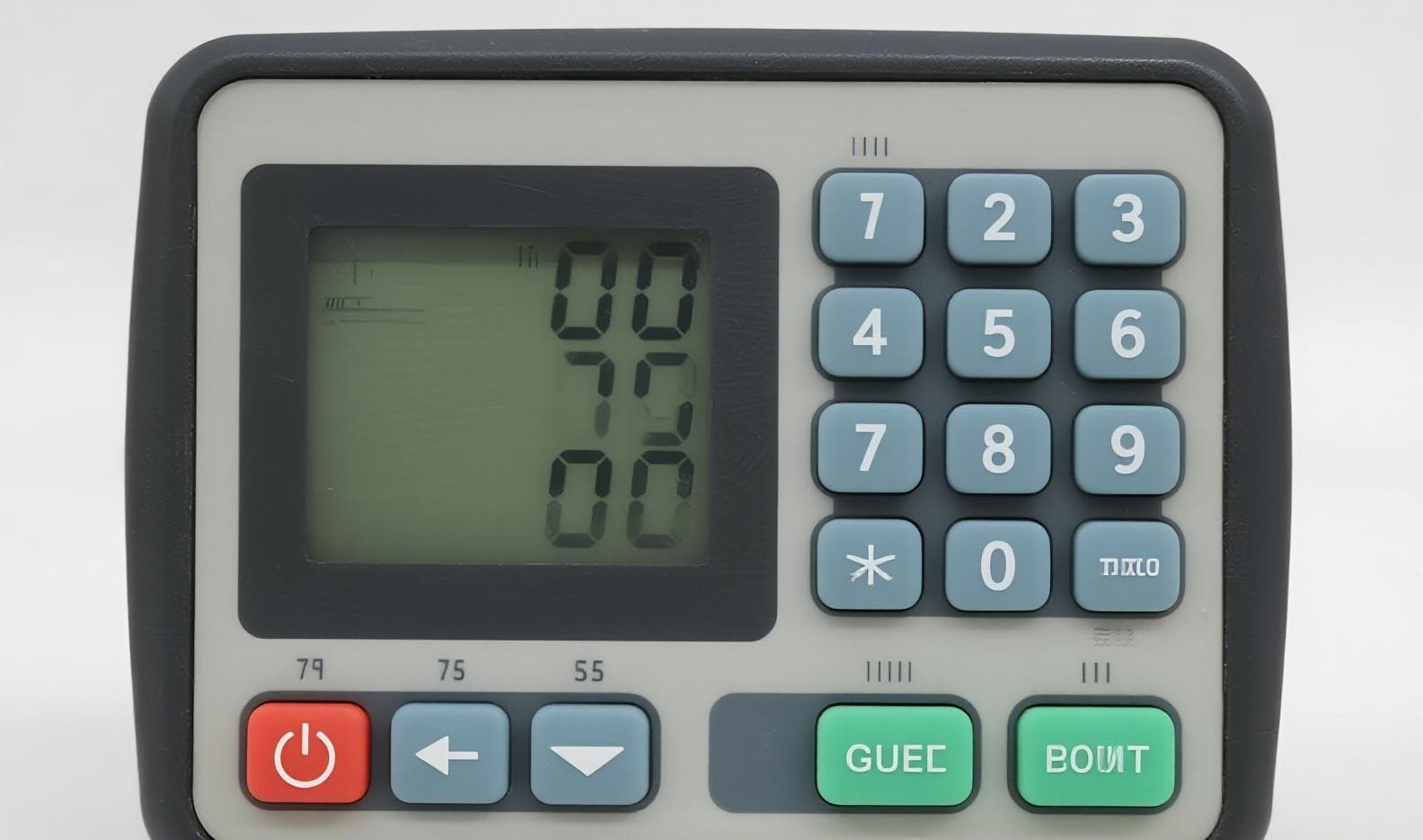
Temperature changes alter carbon‑pill conductivity. Specify that contact resistance shall not exceed 200 Ω at any temperature from –40°C to +85°C, and that the change from 23°C shall be less than 50 Ω. Require a test report for each batch.
- Use gold‑plated PCB pads to minimise interface resistance variation.
- Ensure the supplier tests contact resistance at both temperature extremes as part of First Article Inspection.
Mandate Full Temperature Cycling & Endurance Tests
Specify that the instrument silicone keypad shall pass 500 thermal cycles from –40°C to +85°C with a 30‑minute dwell at each extreme. After cycling, the force‑stroke curve must remain within the specified ±10% band, and legends must show no cracking or delamination.
- Also require humidity testing (85°C / 85% RH) to verify that moisture does not compromise tactile feel.
- Include 1 million actuation cycles at room temperature, followed by re‑testing at the temperature extremes.
Enforce Batch‑to‑Batch Consistency
Even the perfect design fails if production varies. Require Cpk ≥ 1.67 for actuation force and contact resistance. Supplier must provide process capability data for each batch and retain samples for reference.
- Conduct an annual qualification test on retained samples to monitor long‑term stability.
- Work only with suppliers who have IATF 16949 or ISO 13485 certification — they have robust process controls.
In short: To specify an instrument silicone keypad that feels the same from –40°C to +85°C, you must combine low‑Tg silicone, precise geometry, tight force‑stroke bands, stable contact resistance, rigorous temperature cycling, and statistical process control. FromRubber specialises in exactly this — we engineer custom keypads with temperature‑validated compounds, provide full force‑stroke characterisation at all three temperatures, and guarantee ±5g actuation force consistency across the entire range. Our in‑house environmental chamber and CMM ensure that every batch meets your demanding specifications.