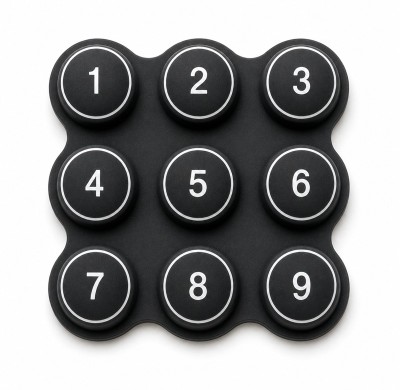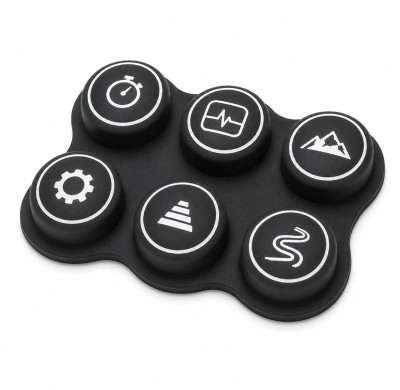
How to Select the Best Custom Silicone Keypad Manufacturer in China: A FromRubber Guide
We understand that selecting the right manufacturer for your custom silicone keypads is a critical decision that impacts your product's functionality, durability, and overall success. Our guide from FromRubber is designed to navigate you through this complex process, ensuring you make an informed choice. This comprehensive guide will equip you with the essential knowledge and criteria needed to identify a top-tier custom silicone keypad manufacturer in China, helping you achieve reliable and high-quality results for your projects. Our goal is to highlight the crucial factors we, as industry experts, believe are paramount for a successful partnership, from initial design to final production.
Key Takeaways
- Quality is Non-Negotiable: The quality of a silicone keypad directly impacts user experience, product longevity, and brand reputation. Low-quality keypads can lead to issues like poor tactile feedback, premature wear, and even complete functional failure.
- Experience Matters: A manufacturer's track record and industry specialization are strong indicators of their capabilities. Look for partners with proven experience in your specific application area, whether it's medical, industrial, or consumer electronics.
- Verify Quality Systems: Do not take a manufacturer's claims at face value. Insist on seeing certifications like ISO 9001 and inquire about their specific quality control processes, from raw material inspection to final product testing.
- Customization is Key: A top-tier manufacturer should offer extensive customization options, including material selection, durometer (hardness), color matching, backlighting, and protective coatings, to meet your exact design requirements.
- Communication is Crucial: Effective and transparent communication is the bedrock of a successful manufacturing partnership. Choose a partner who is responsive, provides clear timelines, and is willing to engage in detailed technical discussions.
- Balance Cost and Value: While cost is an important factor, the cheapest option is rarely the best. Analyze the total value proposition, which includes material quality, manufacturing precision, durability, and post-production support. A slightly higher initial investment can prevent costly failures and redesigns down the line.
- Due Diligence is Essential: Thoroughly vet potential partners by checking reviews, asking for references, and, if possible, conducting a factory audit. This upfront effort is critical to verifying a manufacturer's credibility and capabilities.
Why Choosing the Right Custom Silicone Keypad Manufacturer in China is Crucial for Your Product's Success
The decision of which manufacturer to partner with for your custom silicone keypads extends far beyond simple procurement; it's a strategic choice that fundamentally influences your product's market reception and long-term viability. Silicone keypads are often the primary point of interaction between the user and your device, making their quality a direct reflection of your brand. A well-made keypad feels responsive and durable, while a poor one can frustrate users and lead to product failure. Choosing a proficient manufacturer in China, a global hub for silicone production, ensures you can leverage advanced manufacturing techniques and cost-efficiencies without sacrificing quality. This partnership is critical for creating a product that is not only functional but also reliable and satisfying to use.
The Impact of Quality on Performance and User Experience
The quality of a silicone keypad is a defining factor in the overall user experience (UX) of a product. A high-quality keypad provides satisfying tactile feedback—the "snap" or "click" feel that confirms a button press—which is essential for user confidence and error-free operation. This tactile response is meticulously engineered through factors like the keypad's webbing design, material hardness (durometer), and the shape of the actuating element. Conversely, low-quality keypads often suffer from a "mushy" or inconsistent feel, leading to user frustration and operational errors. For instance, in critical applications like medical devices or industrial controls, a missed or double-pressed key due to poor tactile feedback can have serious consequences.
Furthermore, the aesthetic quality, including legend clarity and color consistency, contributes significantly to the perceived value of the product. High-quality keypads maintain their appearance over time, resisting fading and wear, whereas inferior ones can quickly look dated and cheapen the user's perception of the entire device. Resistance to environmental factors such as dust, moisture, and chemicals is another hallmark of quality, ensuring the device functions reliably in its intended environment, whether it's a rugged outdoor gadget or a sterile medical instrument.
Ensuring Reliability and Longevity for Your Applications
The reliability and longevity of your product are directly tied to the durability of its components, especially interactive elements like keypads. A top-tier custom silicone keypad manufacturer ensures longevity through several key practices. First is the selection of high-grade silicone materials that are inherently resistant to extreme temperatures, UV radiation, chemicals, and physical abrasion. A quality keypad can be designed to endure millions of actuation cycles without degradation in performance or tactile feel.
Common failures in low-quality keypads include cracking of the silicone, wearing off of printed legends, and failure of the internal conductive contacts. A reliable manufacturer mitigates these risks through advanced processes. For example, legends can be laser-etched or protected with a durable coating (like polyurethane or epoxy) to prevent them from rubbing off. The internal conductive carbon pills are applied using processes that ensure strong adhesion and consistent conductivity, preventing intermittent or dead keys. By investing in a manufacturer that prioritizes these aspects, you are not just buying a component; you are ensuring your product will function reliably for its entire expected lifespan, safeguarding your brand's reputation for quality.
Key Factors We Evaluate When Selecting a Custom Silicone Keypad Manufacturer in China
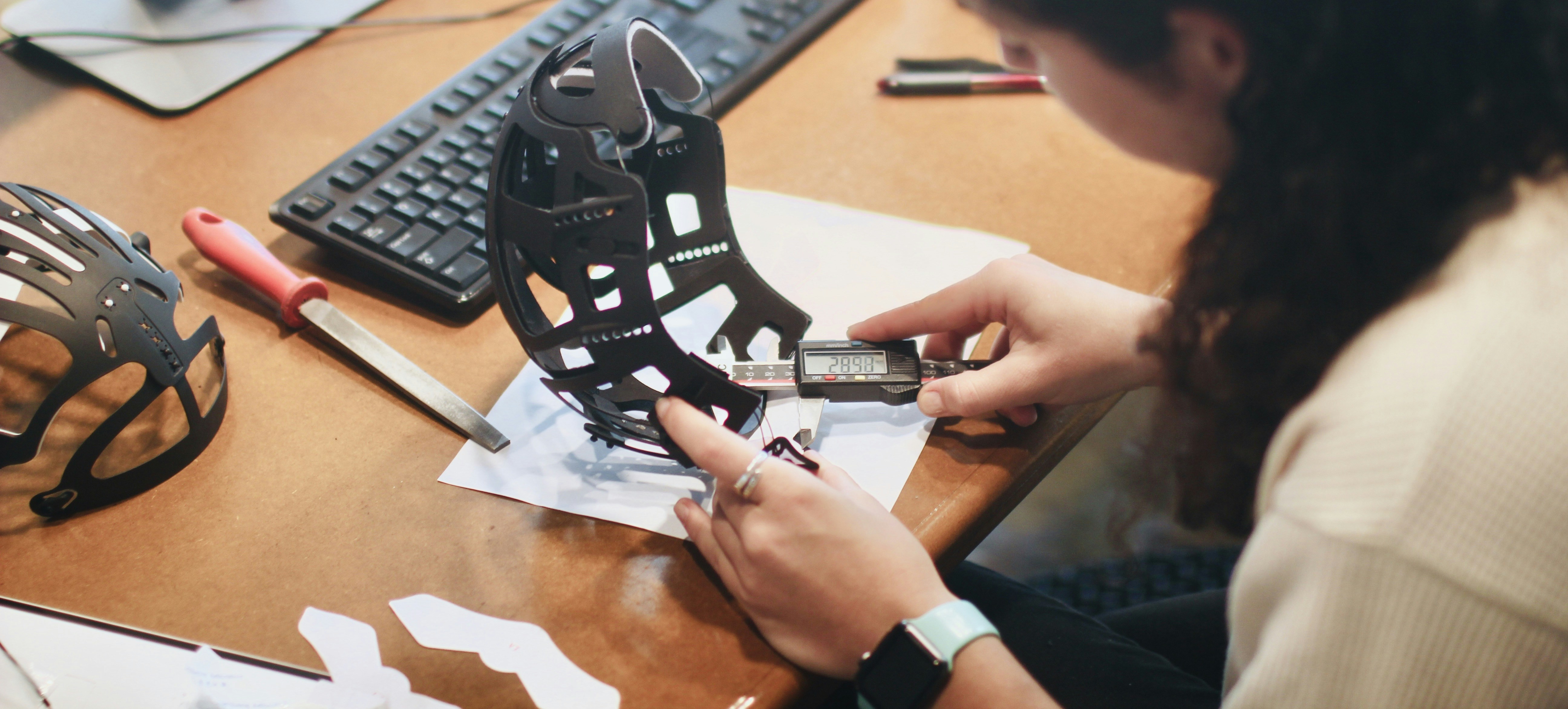
Choosing a manufacturing partner is a multifaceted process that requires a strategic evaluation of several key areas. At FromRubber, we have a refined methodology for vetting potential manufacturers to ensure they align with our stringent standards for quality, innovation, and reliability. This process goes beyond surface-level assessments to probe the core competencies of a supplier. We prioritize their hands-on experience, their adherence to global quality standards, and their flexibility in design and customization. Our evaluation is designed to identify not just a supplier, but a long-term partner capable of contributing to our clients' success.
Experience and Expertise: Our First Look at Proven Capabilities
A manufacturer's experience is the foundation of their ability to deliver high-quality products. It's a direct indicator of their stability, their depth of knowledge, and their capacity to handle complex projects. An experienced manufacturer will have navigated a wide array of design and production challenges, equipping them with the problem-solving skills necessary to preemptively address potential issues and optimize designs for manufacturability. We look for a history that demonstrates not just longevity in the market, but also a commitment to evolving with technology and industry standards.
Assessing Track Record and Industry Specialization
When evaluating a manufacturer, we start by scrutinizing their track record. This involves looking beyond their company history to examine their portfolio of completed projects. We want to see evidence that they have successfully manufactured keypads similar to our requirements in terms of complexity, scale, and application. Industry specialization is a significant factor. A manufacturer that primarily serves the medical device industry, for example, will have a deep understanding of the unique requirements for biocompatibility, sterilization, and precision that are paramount in that sector. Similarly, a supplier with extensive experience in automotive keypads will be proficient in creating components that can withstand extreme temperatures and vibration. Reviewing their client list and asking for case studies or references from customers in our target industry helps us verify their claims and build confidence in their specialized expertise.
Demonstrated Deep Understanding of Materials and Technology
A manufacturer's expertise is most evident in their command of material science and manufacturing technology. Silicone is not a one-size-fits-all material; it comes in various forms, such as high-consistency rubber (HCR) and liquid silicone rubber (LSR), each with distinct properties and processing methods. A knowledgeable manufacturer can guide the selection of the right material based on the application's demands—be it high-temperature resistance for industrial equipment, chemical resistance for lab instruments, or biocompatibility for medical devices.
We expect a potential partner to demonstrate a thorough understanding of key material properties like durometer (hardness), tensile strength, tear resistance, and compression set. They should also be well-versed in advanced manufacturing technologies, including:
- Compression and Injection Molding: Understanding the pros and cons of each method for a given design.
- Multi-color Molding: The ability to create keypads with multiple colors without painting, ensuring durability.
- Laser Etching: A precise method for creating backlit legends that won't wear off.
- Protective Coatings: Applying coatings like polyurethane (PU) or epoxy to enhance durability and tactile feel.
- Conductive Technologies: Expertise in applying carbon or gold pills for reliable switch functionality.
A manufacturer that can articulate the nuances of these technologies and recommend the best approach for a specific design showcases true expertise.
Quality Assurance and Certifications: What We Prioritize
Quality assurance is not merely a final inspection; it is a comprehensive system integrated into every stage of the manufacturing process. For us, a manufacturer's commitment to quality is non-negotiable. It ensures product consistency, reliability, and safety, which are critical for protecting our clients' brand reputation and end-user satisfaction. We prioritize partners who can demonstrate a robust and transparent quality management system, backed by internationally recognized certifications. This focus on quality control minimizes defects, reduces the risk of costly recalls, and ensures that every keypad delivered meets the highest standards.
Transparent Manufacturing Processes
Transparency in the manufacturing process is a key indicator of a trustworthy partner. A quality manufacturer should be willing and able to provide a clear overview of their production workflow, from the moment raw materials enter their facility to the final packaging of the finished product. We look for documented procedures for each critical step:
- Incoming Material Inspection: Verifying that the raw silicone and other materials meet specified standards for purity, durometer, and color.
- Tooling and Mold Maintenance: A systematic approach to mold design, fabrication, and regular maintenance to ensure dimensional accuracy and prevent defects.
- In-Process Quality Control (IPQC): Regular checks at various stages of production (molding, printing, coating, assembly) to catch any deviations early.
- Final Quality Control (FQC): 100% inspection of finished keypads for cosmetic defects, dimensional accuracy, actuation force, and electrical function.
- Traceability: A system that allows for tracking a product's history, including the specific batch of raw materials used and the production data, which is crucial for root cause analysis if any issues arise.
Adherence to Global Quality Standards and Certifications
Certifications provide third-party validation of a manufacturer's commitment to quality and specific industry standards. While a certificate alone isn't a guarantee of quality, it indicates that the manufacturer has implemented and maintains a quality management system that meets a recognized global benchmark. Key certifications we look for include:
- ISO 9001:2015: This is the fundamental international standard for a quality management system (QMS). It demonstrates the manufacturer's ability to consistently provide products and services that meet customer and regulatory requirements.
- IATF 16949: For projects in the automotive sector, this certification is crucial. It builds on ISO 9001 and includes specific, rigorous requirements for automotive production and service parts organizations.
- ISO 13485: This is the standard for a QMS for the design and manufacture of medical devices. A manufacturer with this certification has proven their ability to meet the stringent safety, risk management, and traceability requirements of the medical industry.
- RoHS (Restriction of Hazardous Substances) and REACH (Registration, Evaluation, Authorisation and Restriction of Chemicals): Compliance with these European Union regulations is essential for products sold in the EU market and demonstrates a commitment to environmental safety by restricting the use of specific hazardous materials.
A manufacturer that proudly displays and adheres to these standards shows that they are a serious, professional organization capable of competing on a global scale.

Customization and Design Flexibility: Meeting Your Unique Needs
In today’s competitive market, the ability to create a unique and optimized product is a significant advantage. Customization is therefore not just a value-add; it's a core requirement for silicone keypads, which must integrate seamlessly into a wide variety of product designs and user interfaces. A top-tier manufacturer must demonstrate the engineering prowess and manufacturing agility to move beyond standard offerings and provide truly bespoke solutions. This flexibility is critical for achieving optimal functionality, ergonomics, and aesthetics, ensuring the final keypad perfectly aligns with the product's vision and performance goals.
Offering Tailored Solutions for Specific Design Requirements
A truly capable manufacturer operates as a collaborative partner, not just an order-taker. They should have the capability to translate a client's concept into a manufacturable and high-performing keypad. This involves offering a wide array of customization options, such as:
- Geometry and Shape: Creating keys and overall keypad layouts in complex, non-standard shapes to fit unique enclosure designs and improve ergonomics.
- Tactile Feedback: Engineering the precise "click feel" by adjusting key travel, actuation force, and the snap ratio of the silicone webbing. Snap ratios between 40-60% are often considered to provide an excellent tactile feel.
- Color and Graphics: Advanced color matching to align with brand aesthetics and multi-color molding capabilities. This includes high-quality, durable legend printing or laser etching for backlighting applications.
- Backlighting and Illumination: Designing keypads with integrated light pipes or using translucent materials to create clear, evenly lit legends for use in low-light conditions.
- Sealing Features: Incorporating wrap-around designs or molded gaskets to provide IP-rated protection against dust and water ingress.
The manufacturer’s willingness and ability to provide design for manufacturability (DFM) feedback is a sign of a true expert, helping to refine the design for better performance and cost-efficiency.
Expertise in Material Compatibility and Bonding Technologies
Customization often involves integrating the silicone keypad with other components, such as a plastic bezel, a printed circuit board (PCB), or a display. A manufacturer's expertise in this area is crucial for the success of the final assembly. This includes a deep understanding of:
- Material Compatibility: Knowing how different grades of silicone will interact with various plastics (like ABS, Polycarbonate) and metals. This is vital to prevent issues like adhesive failure or chemical reactions over time.
- Adhesive Technologies: Selecting the correct Pressure Sensitive Adhesive (PSA) is critical for bonding the keypad to the housing or PCB. The choice of adhesive depends on the substrate material, the operating environment (temperature and humidity), and the required bond strength. A knowledgeable manufacturer will have experience with a range of high-performance adhesives from trusted brands like 3M.
- Overmolding and Insert Molding: These advanced techniques allow for the molding of silicone directly onto a rigid substrate (like plastic or metal) to create a single, integrated component. This process can improve durability, provide an excellent seal, and streamline the assembly process.
By demonstrating a command of these bonding and material compatibility issues, a manufacturer proves they can deliver a complete, reliable, and fully integrated keypad solution.
The Importance of Communication and Due Diligence with a Custom Silicone Keypad Manufacturer in China
Technical capabilities and quality systems are fundamental, but the "soft" aspects of a partnership—communication and trust—are what sustain it and ensure project success. Sourcing from a manufacturer in China introduces complexities such as language barriers, cultural differences, and time zone gaps. Therefore, establishing clear communication channels and conducting thorough due diligence are not just procedural steps; they are critical risk mitigation strategies. A proactive approach to these areas helps build a strong, collaborative relationship, prevents costly misunderstandings, and verifies that the manufacturer is as credible and capable as they claim to be.
Fostering Open Communication and Responsive Support
Effective communication is the lifeblood of any successful manufacturing project. It ensures that design specifications are clearly understood, production updates are timely, and any potential issues are addressed swiftly before they escalate. When evaluating a potential manufacturing partner, we prioritize their communication practices. A responsive manufacturer demonstrates professionalism and a customer-centric approach.
Key indicators of strong communication include:
- Prompt and Clear Responses: A partner who responds to emails and queries in a timely and comprehensive manner, ideally within one business day, shows that they value your business.
- English Proficiency: The sales and engineering teams should have a proficient level of English to discuss technical details without ambiguity or the risk of misinterpretation.
- Dedicated Project Management: Having a single point of contact, such as a dedicated project manager or sales engineer, streamlines communication and ensures accountability.
- Willingness to Collaborate: A good partner is open to scheduling video calls to discuss complex design aspects face-to-face, fostering a more collaborative environment.
Strong communication builds trust and avoids the costly misunderstandings that can arise from language barriers or a lack of responsiveness. It's a clear sign that the manufacturer views the relationship as a partnership rather than a simple transaction.
Verifying Credibility Through Reviews, References, and Factory Audits
Trust must be earned and verified. While a manufacturer's website and marketing materials can be impressive, it's crucial to look for independent validation of their claims. Due diligence is a critical step in vetting any potential supplier, especially when manufacturing overseas.
Our process for verifying credibility includes several layers:
- Online Reviews and Presence: Checking online B2B platforms, industry forums, and even Google search results can reveal feedback from other customers. While not always definitive, a pattern of positive or negative reviews is a valuable data point.
- Requesting Customer References: A confident and reputable manufacturer will be willing to provide references from existing or past customers, particularly those in a similar industry. Speaking with these references can provide firsthand insights into the manufacturer's quality, reliability, and communication practices.
- Third-Party Supplier Audits: For significant projects, a factory audit is an invaluable tool. This can be done either by sending your own personnel or, more commonly, by hiring a third-party auditing firm based in China. An audit provides an on-the-ground assessment of the manufacturer's facilities, quality systems, production capacity, and working conditions. It verifies that the impressive certifications they hold are backed by real, implemented processes.
This multi-pronged approach to verification helps to build a complete picture of the manufacturer's credibility and significantly reduces the risk of partnering with an unreliable or incapable supplier.
Understanding Their Production Process and Reliable Lead Times
A clear understanding of the manufacturer's production process and their ability to provide reliable lead times is essential for your own project planning, inventory management, and time-to-market. A transparent manufacturer should be able to walk you through their entire production flow.
The typical process for a custom silicone keypad includes:
- Mold Making: This is often the longest part of the initial lead time. Creating the custom steel mold for compression or injection molding can take several weeks, depending on complexity.
- Prototyping/First Article Inspection (FAI): Once the mold is ready, the manufacturer will produce a small batch of samples for your approval. A typical timeframe for prototype production can be 7-15 business days.
- Mass Production: After the prototype is approved, full-scale production begins. This can range from 15 to 30 business days, depending on the order quantity and the complexity of the keypad (e.g., multi-step processes like printing, coating, and assembly).
- Shipping: Shipping time must also be factored in, which can vary from a few days for express air freight to several weeks for standard sea freight.
When discussing lead times, it is vital to get a commitment on each of these stages. A reliable manufacturer will provide a detailed project timeline and proactively communicate any potential delays. Unrealistic or vague promises about lead times are a significant red flag. We look for partners who provide honest and achievable timelines, demonstrating a mature understanding of their own production capacity and supply chain.
Balancing Cost, Quality, and Long-Term Partnership with Your Custom Silicone Keypad Manufacturer in China
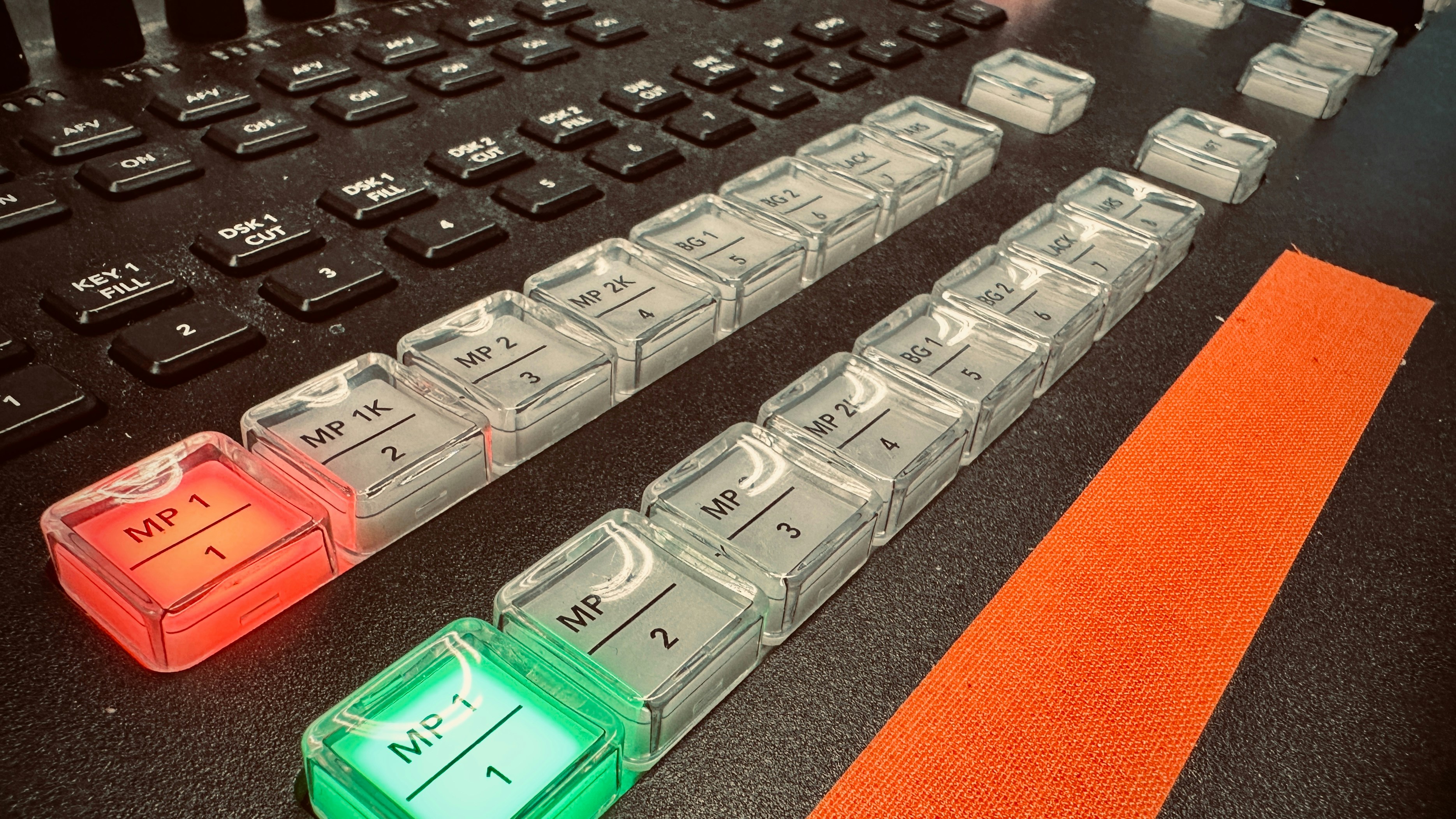
Selecting a manufacturer involves a delicate balance of competing priorities. While cost is inevitably a major consideration, focusing on the initial price tag alone can be a shortsighted strategy that leads to greater expenses down the line. A holistic approach that weighs cost against quality, reliability, and the potential for a long-term strategic partnership is far more effective. This involves assessing the total cost of ownership, recognizing the strategic advantages of a stable supplier relationship, and ensuring that post-production support is part of the agreement. Ultimately, the goal is to find a partner that delivers the best overall value, not just the lowest unit price.
Assessing Price vs. Value: Our Approach to Smart Investment
It's common to see significant price variations when quoting custom silicone keypads, and it's crucial to understand what drives these differences. The cheapest quote is rarely the best value. Low prices can be a red flag for compromises in material quality, tooling precision, or quality control—all of which can lead to premature product failure, costly redesigns, and damage to your brand. Our approach focuses on Total Cost of Ownership (TCO), which considers not just the upfront tooling and unit costs, but also long-term expenses related to reliability, maintenance, and potential failures.
When we assess a quote, we analyze the value proposition behind the price:
- Tooling Investment: High-quality hardened steel molds cost more than prototype aluminum molds but last for over a million cycles and produce more consistent parts. This is a smart investment for high-volume production.
- Material Grade: The price will vary depending on whether you are using standard industrial-grade silicone, a specialized flame-retardant grade, or a biocompatible medical-grade material. Choosing the correct grade for the application is essential for performance and compliance.
- Manufacturing Processes: Advanced features like multi-color molding, laser etching for backlighting, or protective PU coatings add to the unit cost but significantly enhance the keypad's durability and functionality.
- Quality Control: A higher price often reflects a more rigorous quality control process, which is an investment in reliability and reduces the risk of receiving defective parts.
By weighing these factors, we can identify a manufacturer who offers a fair price for a high-quality product, ensuring a better return on investment over the product's lifecycle. A durable keypad that doesn't require frequent replacement can reduce lifecycle costs by a significant margin.
The Strategic Benefits of Cultivating a Trusted, Long-Term Partner
Viewing your manufacturer as a long-term partner rather than a transactional supplier unlocks significant strategic benefits. A stable, ongoing relationship fosters mutual trust and a deeper understanding of your product needs and quality expectations. Over time, this partnership can lead to greater efficiency, innovation, and a more resilient supply chain.
Key strategic benefits include:
- Improved Efficiency and Consistency: A long-term partner becomes familiar with your designs and standards, leading to faster production cycles and more consistent quality on repeat orders.
- Collaborative Innovation: A trusted manufacturer is more likely to invest their expertise in your projects, suggesting design improvements, new materials, or more cost-effective production methods that you might not have considered.
- Preferential Treatment: In times of high demand or supply chain disruptions, manufacturers are more likely to prioritize production and allocate resources to their established, loyal partners.
- Reduced Risk: A long-term relationship built on proven performance and open communication minimizes the risks associated with sourcing from new, unvetted suppliers.
Cultivating this type of partnership requires a commitment from both sides, focusing on fair practices, open communication, and a shared goal of producing the best possible product.
Ensuring Comprehensive Post-Production Support and Warranty
The manufacturer's responsibility does not end once the products are shipped. Comprehensive post-production support and a clear warranty policy are hallmarks of a reputable and confident manufacturer. These elements provide a safety net and demonstrate that the partner stands behind their work.
Before finalizing an agreement, we ensure the following are clearly defined:
- Warranty Terms: The warranty should explicitly cover manufacturing and material defects for a specified period. Policies can range, but a typical warranty might last 12 months from the date of shipment. It's important to understand the process for making a claim, including what documentation is required.
- Defect Resolution: In the event of a problem, the manufacturer should have a clear process for analyzing the issue. If the defect is found to be production-related, the partner should offer a solution, such as a free replacement or a refund.
- Technical Support: A good partner should be available to provide technical support even after delivery. This could involve helping to diagnose issues that arise during assembly or offering engineering advice for future product revisions.
- Support for Repeat Orders: The manufacturer should maintain your tooling and production data to facilitate easy and consistent reorders, helping you manage inventory with Just-In-Time (JIT) production if needed.
A manufacturer who offers robust post-production support is not just selling a component; they are providing a complete service and investing in a long-term relationship. This provides peace of mind and ensures that you have a reliable partner to turn to if any issues arise.
Frequently Asked Questions (FAQ)
1. Is the lowest quoted price usually the best deal for keypads?
Rarely. Focusing strictly on initial cost often ignores Total Cost of Ownership (TCO). Cheaper molds, standard-grade materials, or skipped quality control steps can lead to premature product failure, costly redesigns, and significant damage to your brand reputation.
2. How crucial is the "snap ratio" for tactile feedback?
It is vital for safety and usability. A poor snap ratio creates a "mushy" feel, which can lead to missed or double-pressed keys in critical medical or industrial applications. An engineered snap ratio between 40-60% ensures satisfying feedback and error-free operation.
3. Can silicone keypads truly withstand harsh environments?
Yes, absolutely. High-grade silicone is inherently resistant to extreme temperatures, UV radiation, and chemicals. When designed with wrap-around features or molded gaskets, the keypads can achieve high IP (Ingress Protection) ratings like IP65 or IP67, making them completely dustproof and waterproof.
4. Why does the adhesive backing (PSA) matter so much during assembly?
Selecting the wrong Pressure Sensitive Adhesive can cause the keypad to peel away from the PCB or housing under varying temperatures or humidity. Material compatibility between the silicone, the substrate, and the adhesive is crucial for ensuring a long-term, reliable bond.
5. What kind of post-production support should I expect from a reliable partner?
A top-tier manufacturer's responsibility doesn't end at shipping. You should expect a clear warranty (typically 12 months), defined defect resolution procedures, continued technical support for future iterations, and the safe retention of tooling data to easily facilitate repeat orders.
Ready to Elevate Your Product with Premium Silicone Keypads?
Partner with FromRubber for unmatched quality, precision, and reliable manufacturing.
Get Your Free Quote TodayWhat Our Partners Say
MedTech Solutions
"We used to struggle constantly with inconsistent tactile feedback and supply chain delays from our previous vendors, which was a nightmare for our medical devices. Partnering with FromRubber completely turned that around. Their DFM support on our latest project was incredible, and the quality has been rock solid. It's a relief to finally have a partner who truly understands the rigorous demands of B2B manufacturing."
Industrial Controls Inc.
"Communication and transparency used to be our biggest hurdles when sourcing from overseas. With FromRubber, it’s a completely different experience. Their team's English proficiency is excellent, and their project managers keep us updated at every step without us having to chase them. They caught a material compatibility issue early on that saved us thousands in potential field failures. We view them as an extension of our own team now."