Easy to Clean, Hard to Stain: Why Silicone Is the Best Material for Car Cup Holder Liners
If you have ever scrubbed dried coffee residue from a plastic cup holder or tried to remove a dark tea ring from a rubber mat, you already understand the frustration. Some materials absorb stains. Others develop sticky surfaces over time. A few even crack and hold bacteria in microscopic grooves. Then there is silicone. Easy to clean, hard to stain, and practically indestructible in automotive environments. This article explains why silicone is the best material for car cup holder liners and why FromRubber, a professional silicone manufacturer, produces the highest quality liners available.
Why Material Choice Matters for Car Cup Holder Liners
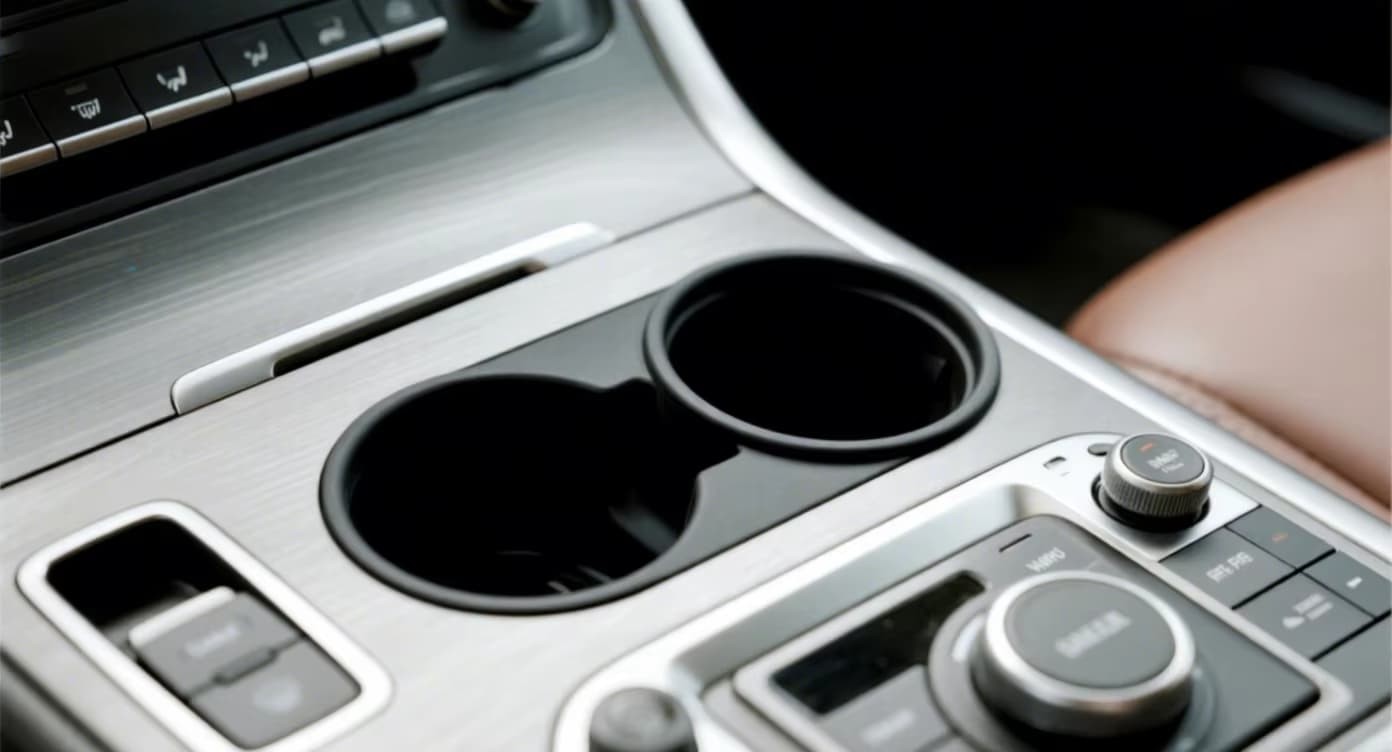
The center console cup holder is one of the most abused surfaces in any vehicle. Hot coffee, iced tea, energy drinks, melted ice cream from drive-through treats, and sticky soda spills all land in this small area. Over time, poor quality liners absorb these liquids, develop permanent discoloration, and become difficult to clean. Some materials even break down chemically when exposed to repeated temperature changes or acidic drinks. Choosing the right liner material directly affects how your interior looks after six months, one year, or five years of daily use.
The Science of Stain Resistance
Stain resistance depends on two material properties: porosity and chemical reactivity. Porous materials like fabric or uncoated rubber have microscopic holes where liquids seep in. Once inside, stains become permanent because you cannot scrub what you cannot reach. Non-porous materials like silicone have no such holes. Liquids sit on the surface and wipe away completely. Additionally, silicone is chemically inert. It does not react with coffee acids, tea tannins, soda phosphoric acid, or artificial food colorings. What you spill is what you wipe. Nothing bonds to the surface.
Silicone Versus Plastic, Rubber, and Fabric Liners
To understand why silicone outperforms every alternative, compare the materials directly across four key metrics: cleanability, stain resistance, durability, and temperature tolerance.
Plastic
Hard, non-flexible, scratches easily. Stains from coffee and tea are common. Cracks under UV exposure.
Rubber
Absorbs oils and dark liquids. Develops sticky residue over time. Odor retention is a major complaint.
Fabric / Neoprene
Highly absorbent. Impossible to fully clean after spills. Traps bacteria and mold.
Silicone
Non-porous, stain-proof, dishwasher safe. Remains flexible for over a decade.
Plastic Liners: Cheap but Problematic
Hard plastic liners are common in factory vehicles and low-cost aftermarket products. The material is rigid, which means it does not conform to different cup sizes. Cups rattle and shift during driving. Plastic also scratches easily. Once scratched, the grooves trap dirt and become impossible to clean thoroughly. Coffee and tea stain plastic permanently within weeks. UV exposure from sunlight causes plastic to become brittle and crack. A cracked plastic liner offers no protection and may even damage the underlying console with sharp edges.
Rubber Liners: Better but Still Flawed
Rubber provides good grip and flexibility, but it has significant drawbacks. Most rubber liners are made from recycled or low-grade compounds that contain fillers and oils. These additives leach out over time, leaving a sticky residue on the liner and your cups. Rubber also absorbs dark liquids. A single coffee spill can leave a permanent brown stain. Additionally, rubber has a characteristic odor that some drivers find unpleasant. The odor intensifies when the vehicle sits in warm sunlight. Rubber liners typically need replacement every one to two years.
Fabric and Neoprene: Absorbent and Unsanitary
Fabric cup holder liners are marketed as soft and decorative, but they are the worst choice for stain resistance. Fabric absorbs every liquid immediately. The stain spreads through capillary action and becomes part of the material. Washing helps but never removes everything. Bacteria thrive in damp fabric, leading to unpleasant odors and potential health concerns. Neoprene, often used in "wetsuit" material liners, is slightly more resistant but still absorbs oils and dark liquids. Neither option is dishwasher safe. Both require air drying, which takes hours. For daily drivers, fabric liners are a poor investment.
Why Silicone Car Cup Holder liners Is Easy to Clean and Hard to Stain
Silicone's unique molecular structure explains its superior performance. The material consists of silicon-oxygen backbones with organic side groups. This structure creates a surface that water beads on rather than spreads across. Liquids form droplets that roll off or wipe away with minimal effort. For stuck-on residue, a quick rinse under a faucet removes everything. For deeper cleaning, silicone is dishwasher safe. Place the liner on the top rack, run a normal cycle, and it emerges looking brand new. No scrubbing. No soaking. No special cleaners.
Real-World Cleaning Scenarios
Consider three common messes. A full coffee spills during morning rush hour. With a plastic or rubber liner, you wipe what you can, but brown residue remains in the corners. With silicone, you pull the liner out, rinse it at your destination, and snap it back in. Total time: thirty seconds. Second scenario: a child's juice box leaks sticky sweet liquid that dries into a hard film. Plastic requires soaking and scrubbing. Silicone flexes, breaking the dried film loose, then rinses clean. Third scenario: an energy drink leaves a dark purple ring. On fabric, it is permanent. On silicone, it wipes away with a damp paper towel.
Temperature Tolerance and Durability Advantages
Easy cleaning means nothing if the material fails after a few months. Silicone excels in durability. FromRubber uses platinum-cured silicone with a temperature range of minus 40 degrees Fahrenheit to 230 degrees Fahrenheit. In winter, the material remains flexible and does not crack. In summer, it does not melt, warp, or become sticky. UV exposure causes no degradation. The material is also tear-resistant and impact-resistant. A typical silicone cup holder liner lasts ten years or more with normal use. Plastic liners last one to three years. Rubber liners last one to two years. Fabric liners may last six months before showing permanent stains.
Dishwasher Safe and Sanitary
One of silicone's most practical advantages is dishwasher compatibility. Most other liner materials cannot survive a dishwasher cycle. Plastic warps. Rubber degrades. Fabric disintegrates. Silicone thrives. The high heat of a dishwasher sanitizes the liner, killing any bacteria that might have accumulated. The detergent removes all oils and residues. After the cycle, the liner is completely clean and ready for immediate use. For drivers who eat in their vehicles or transport children, this sanitary cleaning option provides peace of mind.
FromRubber: Professional Silicone Cup Holder Liners
Not all silicone products are equal. Low-quality silicone contains fillers that reduce performance. These fillers make the material less flexible, more prone to staining, and potentially odorous. FromRubber uses only platinum-cured, food-grade silicone. This is the highest purity grade available. It contains no BPA, no phthalates, no lead, and no latex. It meets FDA standards for food contact. The material remains perfectly flexible, never becomes sticky, and has no odor whatsoever. FromRubber also offers custom sizing for any vehicle. We produce liners for over 500 car models, and we can create a custom template for any vehicle not already in our database.
Custom Colors and Branding Options
While stain resistance is the primary benefit, style matters too. FromRubber offers silicone cup holder liners in over twenty colors, including matte black, carbon fiber texture, deep red, sapphire blue, and sand beige. For commercial customers, we mold logos, text, or QR codes directly into the silicone. The branding is permanent and professional. Dealerships, car washes, and automotive accessory retailers use FromRubber's custom branding to offer high-quality, margin-positive products to their customers.
How to Identify High-Quality Silicone Liners
When shopping for silicone cup holder liners, look for three indicators of quality. First, the material should be completely odorless. Low-grade silicone often smells like a chemical or burning rubber. Second, the surface should feel smooth and slightly grippy, not sticky or oily. Sticky residue indicates filler migration, a sign of poor compounding. Third, the liner should flex without showing white stress marks. White marks indicate excessive filler content. FromRubber liners pass all three tests. We stand behind our material quality with a satisfaction guarantee.
Installation and Maintenance Best Practices
Installing a silicone cup holder liner takes less than five seconds. Press the liner into your existing cup well. The flexible edges create a friction fit that holds securely during driving. To clean, remove the liner and rinse under warm water. For dried residue, flex the liner to break the bond. For complete sanitation, place the liner in a dishwasher. Do not use abrasive scrubbers or harsh chemicals. Do not expose the liner to open flames. With these simple practices, your FromRubber liner will remain easy to clean and hard to stain for over a decade.
Frequently Asked Questions About Silicone Cup Holder Liners
Drivers often ask whether silicone liners fit all cup sizes. The material's flexibility allows it to conform to various cup diameters. A standard FromRubber liner accommodates cups from 2.5 inches to 3.5 inches in diameter. Another common question involves heat resistance. Silicone withstands the temperature of fresh coffee without deforming or transferring excessive heat to the console. A third question concerns chemical resistance. Silicone is resistant to automotive cleaners, coffee, tea, soda, juice, and most common beverages. Acidic drinks like lemonade or orange juice do not damage the material.
Environmental Benefits of Silicone Liners
Silicone cup holder liners reduce waste. A single silicone liner lasts as long as ten to twenty plastic or rubber liners. Fewer replacements mean less manufacturing energy and less landfill waste. Additionally, silicone is recyclable at end of life. FromRubber participates in silicone recycling programs. When a liner finally reaches the end of its useful life after a decade or more, it can be returned to us for proper recycling into new silicone products. This closed-loop approach aligns with sustainable manufacturing principles.
Copyright 2026 FromRubber – Engineered for durability. Designed for cleanliness.