Consumer Electronics vs. Industrial Silicone Keypad: Why the Same Specs Deliver Different Lifespans
🔬 On paper, a consumer silicone keypad and an industrial version may share the same actuation force, travel, and contact resistance. Yet in the field, the industrial keypad lasts 5–10 times longer. The difference lies not in the specs alone, but in the engineering choices behind them.

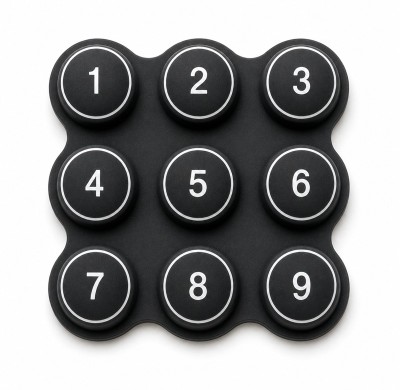
Consumer Electronics Silicone Keypad
Designed for cost‑sensitive, indoor use- Target life: 100k–300k cycles
- Material: Generic silicone, limited filler control
- Environment: Stable temperature, low UV, occasional cleaning
- Testing: Basic functional test at room temperature
- Failure mode: Legend wear, force drift, contact resistance rise
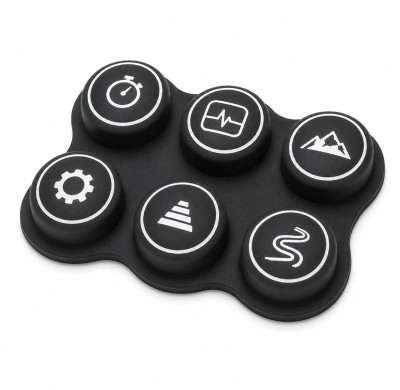
Industrial Instrumentation Silicone Keypad
Engineered for reliability in harsh conditions- Target life: 1M–5M cycles (10+ years)
- Material: Premium compounds, low‑Tg, UV‑stabilised
- Environment: –40°C to +85°C, solvents, dust, vibration
- Testing: Thermal cycling, 20k wipe test, 85/85 humidity
- Failure mode: Minimal – designed for graceful aging
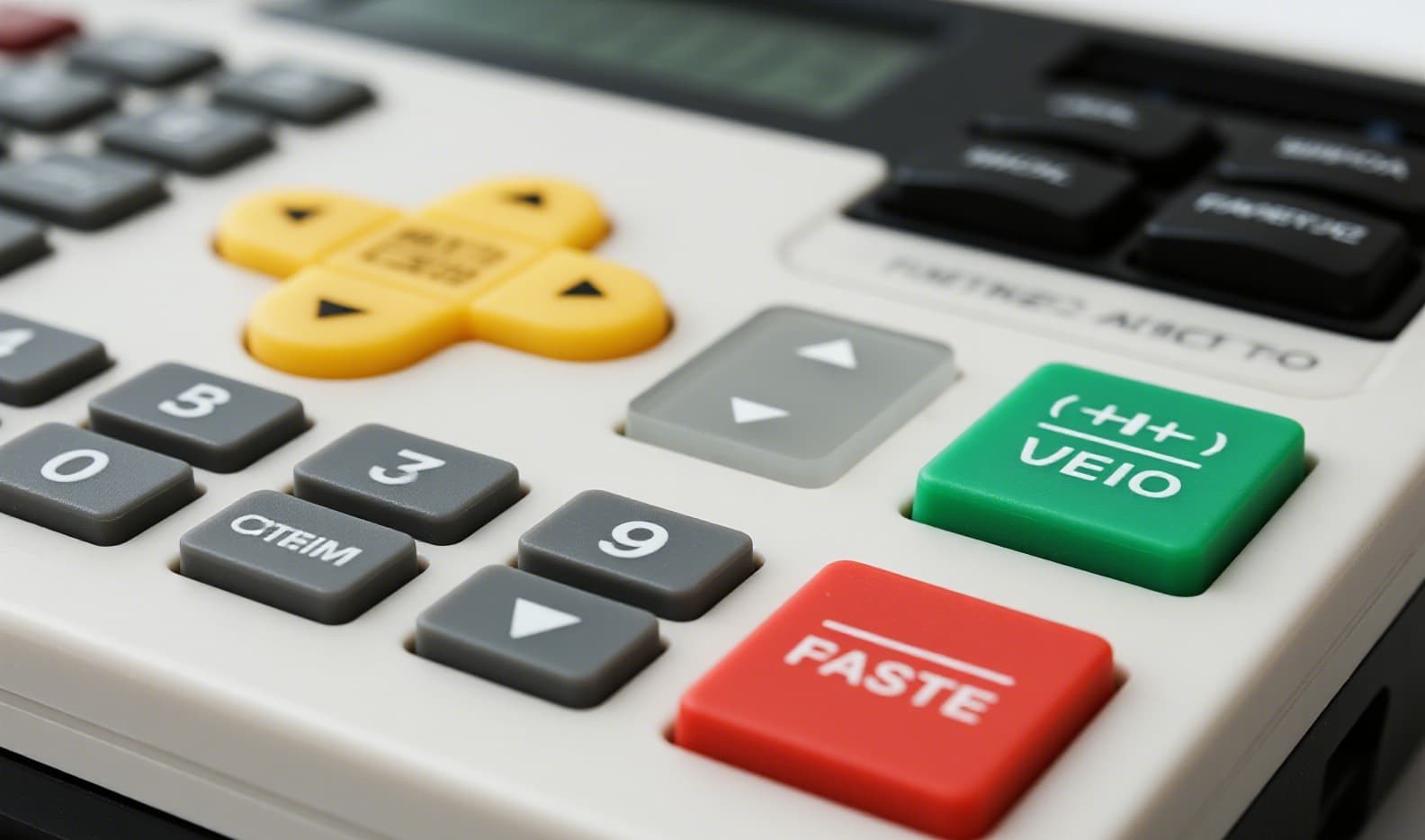
Why the Same Silicone Keypad Specs Yield Different Lifespans
| Factor | Consumer Grade | Industrial Grade | Lifespan Impact |
|---|---|---|---|
| Elastomer Hardness (Shore A) | ±5 tolerance | ±2 tolerance | Industrial maintains consistent force over time |
| Carbon Filler Dispersion | Low uniformity → resistance drift | High uniformity → stable contact | Industrial contact resistance drift <5% |
| Legend Durability | Screen‑printed, no overcoat | Epoxy ink + UV hard coat | Industrial survives 20k IPA wipes |
| Temperature Validation | Room temperature only | –40°C to +85°C + thermal cycling | Industrial performs across global climates |
| Lifecycle Testing | 100k cycles (often theoretical) | 1M+ cycles with force‑stroke monitoring | Industrial verified to 10‑year life |
| Process Capability (Cpk) | Typically <1.33 | ≥1.67 | Industrial batch‑to‑batch consistency |
The table above reveals the truth: specs are necessary but not sufficient. A consumer keypad and an industrial keypad can both specify "150g actuation force" and "≤200Ω contact resistance". But the industrial keypad maintains those values over a decade of thermal cycling, chemical cleaning, and millions of presses, while the consumer keypad drifts out of spec within months.
The hidden differentiators are material purity, filler morphology, process control, and validation depth. Industrial suppliers invest in compound development, in‑line SPC, and environmental testing that consumer suppliers routinely skip to keep costs low.
At FromRubber, we specialise in industrial‑grade silicone keypads that bridge the gap between specification and reality. Our keypads are designed with tightly controlled compounds, validated through full thermal and chemical testing, and delivered with process capability data – ensuring that what you specify is what you get, year after year. We build keypads for instruments that must work reliably in the harshest conditions.
Making the Right Choice
- Understand your environment: Temperature range, cleaning chemicals, and usage frequency define the required grade.
- Look beyond the datasheet: Ask for ageing test data, Cpk values, and material certifications.
- Consider total cost of ownership: A cheaper consumer keypad may fail early, costing more in field replacements and reputation.
- Partner with an industrial specialist: Choose a supplier who validates their keypads for your specific conditions.
✓ FromRubber provides industrial‑grade silicone keypads backed by material science, rigorous validation, and full traceability. We help instrument OEMs avoid the false economy of consumer‑grade components.