Are Silicone makeup Brushes Safe for Sensitive and Acne-Prone Skin?
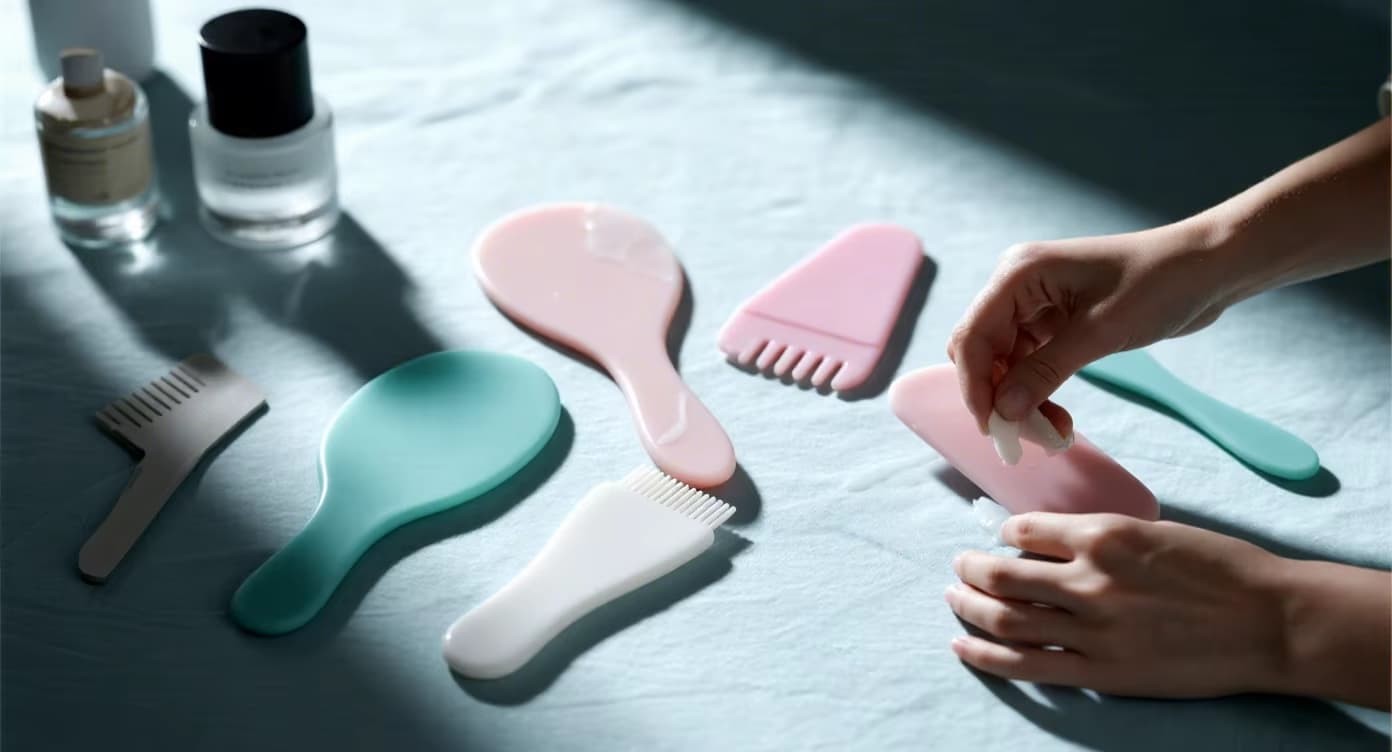
If you have sensitive or acne-prone skin, every new product and tool raises the same question: will this help or trigger a reaction? Silicone makeup brushes have gained a reputation for being hygienic and gentle, but are they truly safe for reactive skin? We asked dermatologists and analyzed the science to give you the definitive answer.
"Silicone brushes are generally hypoallergenic, but individuals with conditions like atopic dermatitis, rosacea, or severe acne can experience exacerbated symptoms due to mechanical irritation."
— Dr. Nishita Ranka, Dermatologist
Short answer: yes — with mindful usage
Silicone makeup brushes are safe for sensitive and acne-prone skin when chosen and used correctly. Their non-porous, hypoallergenic material offers distinct advantages over traditional bristle brushes. However, like any exfoliating tool, they require proper technique and moderation. Here's what you need to know.
Why silicone wins for sensitive skin
- ✓ Non-porous & hygienic: Doesn't trap bacteria, oil, or dead skin — major trigger for acne.
- ✓ Hypoallergenic material: Medical-grade silicone is biocompatible and rarely causes allergic reactions .
- ✓ Gentle on barrier: Soft silicone bristles cause less friction than nylon or natural hair .
- ✓ No product waste: Silicone doesn't absorb foundation, so less product sits on skin.
Potential pitfalls
- ! Mechanical irritation: Overuse can aggravate active acne lesions or cause micro-tears.
- ! Compromised barrier: Too much exfoliation (even gentle) strips protective lipids.
- ! Not for blending: Some users find silicone applicators "wipe" product instead of blending, leading to uneven coverage.
What dermatologists say about silicone for acne-prone skin
The hygiene factor: why silicone beats traditional brushes
For acne-prone skin, bacterial contamination is a constant enemy. Traditional makeup brushes — with their dense bristles — trap oil, dead skin, and moisture, becoming breeding grounds for Cutibacterium acnes. Silicone's non-porous surface means:
- No absorption: Product stays on the surface, not inside the tool.
- Quick drying: Silicone dries instantly, eliminating the moist environment bacteria love .
- Easy sanitization: You can wipe with alcohol or boil without damaging bristles.
A study on silicone body brushes confirmed that regular use reduces risk of folliculitis and acne spread by limiting bacterial buildup.
reduction in bacterial transfer vs. traditional bristle brushes
How to use silicone brushes safely (step-by-step)
Start slow
Use once weekly, then increase to 2–3 times max if no redness or stinging
Gentle pressure
Let the silicone bristles do the work. Pressing harder doesn't clean better — it irritates
Use pH-balanced cleanser
Avoid foaming sulfates; opt for cream or gel cleansers that don't strip the barrier
Clean after each use
Wash with soap and water or alcohol wipe to prevent any residue buildup
When to stop: signs your skin is reacting
FromRubber: silicone tools designed for sensitive skin
As a dedicated silicone manufacturer, we prioritize skin health. Our brushes are:
- 100% platinum-cured silicone — no fillers, no latex, no chemical irritants.
- Ultra-fine bristle tips for gentle exfoliation, even on active breakouts.
- Customizable softness (Shore 10A to 40A) to match any sensitivity level.
- Hygienic by design — one-piece molding, no seams where bacteria hide.
We offer OEM/ODM services for brands targeting the sensitive-skinned consumer. Let's co-create the next generation of gentle beauty tools.