5 Reasons Why Succulent Lovers Need a Silicone Dust Nozzle Ball for Plant Care
5 Reasons Why Succulent Lovers Need a Silicone Dust Nozzle Ball for Plant Care
Tiny dust particles, big impact on your succulent collection. FromRubber reveals the gentle game-changer for indoor gardeners.
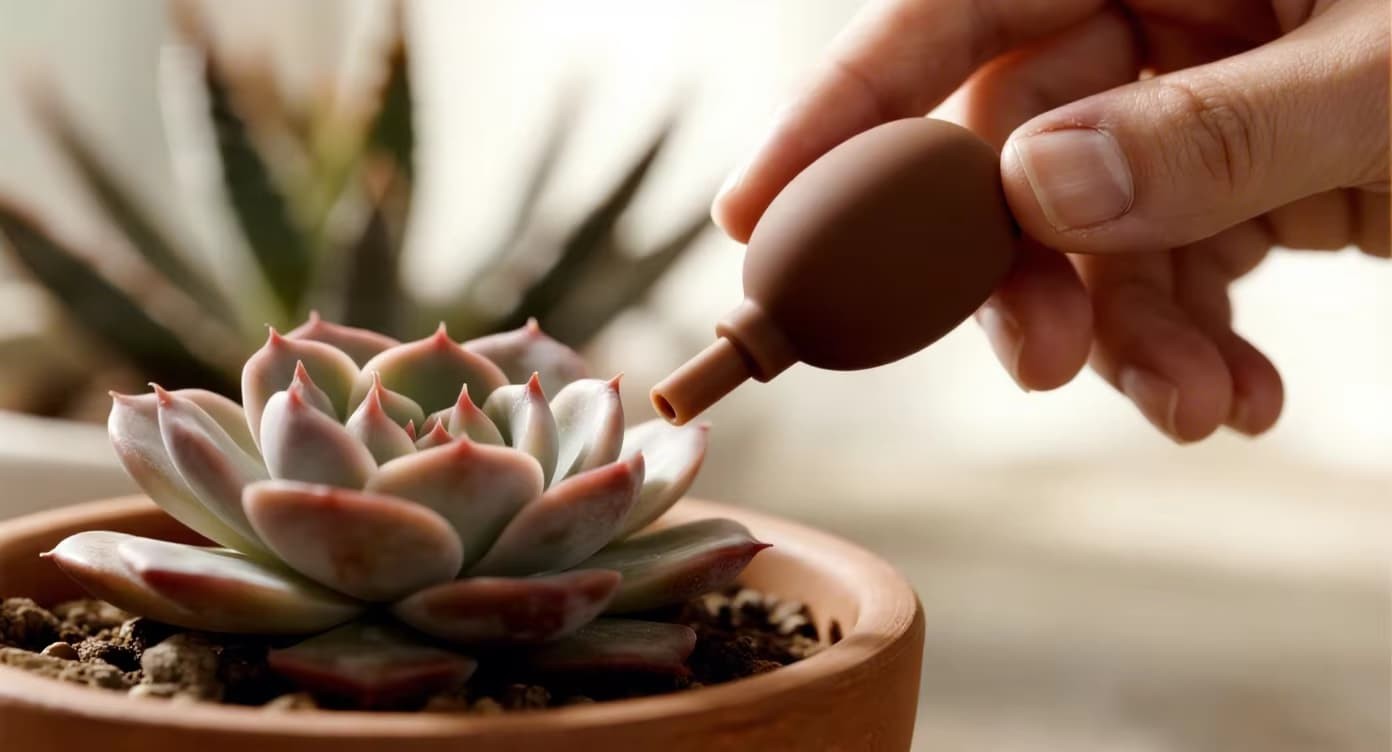
Succulents are celebrated for their sculptural forms and low-maintenance reputation, but one often-overlooked threat hides in plain sight: dust. Over time, a fine layer of household dust accumulates on fleshy leaves, blocking pores (stomata), reducing light absorption, and inviting pests. While many plant owners reach for a damp cloth or feather duster, these methods risk damaging farina — the powdery, waxy coating that protects many succulents like Echeveria, Pachyphytum, and Graptopetalum.
Enter the silicone dust nozzle ball. Originally designed for sensitive camera sensors, this soft, anti-static, precision airflow tool has become a cult favorite among succulent enthusiasts. FromRubber, a leading silicone manufacturer, explains why switching to a silicone blower transforms plant care — delivering five compelling benefits you didn’t know you needed.
Preserves Delicate Epicuticular Wax (Farina)
Many prized succulents — especially Echeveria, Pachyveria, and Sedeveria — produce a natural powdery coating called farina. This waxy bloom serves as a sunscreen, water repellent, and barrier against pathogens. Once rubbed off by fingers, cloths, or rough bristles, farina never regrows, leaving permanent fingerprints and patches.
The silicone dust nozzle ball never touches the leaf surface. A gentle squeeze directs soft, focused air that lifts dust particles without physical contact. Farina remains completely intact. For serious succulent collectors who prize flawless, powdery blue-grey rosettes, this is non-negotiable. FromRubber’s ultra-soft silicone tips ensure zero abrasion even on the most sensitive varieties like Laui or Cante.
Prevents Pest Infestations (Mealybugs & Spider Mites)
Dust isn't just unsightly — it creates a habitat for pests. Mealybugs hide in dusty crevices around leaf axils; spider mites thrive in dry, gritty environments. A regular dusting routine with a silicone blower physically dislodges eggs, webbing, and early-stage insects without water or chemicals. For organic growers, this mechanical removal is a first line of defense.
Unlike wet wipes that spread pests to neighboring leaves, the directed airflow blows them off the plant and away from your collection. Combine weekly blowing with inspection — you'll spot trouble earlier. FromRubber’s anti-static silicone also reduces static charge that normally attracts airborne dust and mite spores, keeping leaves cleaner longer.
- Effectively clears fine webs from spider mites
- Removes dust that shelters mealybug nymphs
- No residue — safe for edible succulents like Portulacaria
Maximizes Photosynthesis & Growth
A thick layer of dust can reduce light penetration by up to 40%, directly impacting photosynthesis. Succulents in bright windowsills accumulate dust faster due to dry air and airflow patterns. Clean leaves absorb more PAR (photosynthetic active radiation), leading to compact growth, vibrant stress colors, and healthier root systems.
Weekly use of a silicone dust nozzle ball takes less than 30 seconds per plant but yields visible improvement. Over a month, dust-free succulents show tighter rosettes, more intense pigmentation (reds, purples, oranges), and faster recovery from underwatering. For propagation trays, blowing away dust from seedling leaves prevents damping-off organisms from settling.
Safe for Tight Rosettes, Crevices & Spines
Succulents come in complex shapes: tightly packed rosettes (Sempervivum, Echeveria), spiky agaves, and hairy kalanchoes. Cloths and brushes cannot reach deep between leaves without tearing tissue. The slim, tapered nozzle of a silicone dusting ball inserts gently into narrow gaps, directing airflow precisely where dust accumulates.
FromRubber offers customizable nozzle lengths and diameters — for cactus growers, a longer nozzle reaches between spines without touching the plant body. For Haworthia enthusiasts, the soft silicone tip won't damage translucent windowed leaves. No other cleaning tool combines this level of precision and softness. Plus, the ball's squeezable body gives you total pressure control: from a whisper-soft puff to a stronger blast for stubborn debris.
Sustainable, Reusable & Chemical-Free
Many succulent keepers reach for aerosol “canned air” — but those contain bitterants, propellants, and greenhouse gases. One silicone dusting ball lasts years, requires no electricity, and produces zero waste. FromRubber blowers are made from 100% platinum-cured silicone: washable, autoclavable, and recyclable.
Compared to disposable wipes (often containing alcohol or fragrance that harms succulents), a silicone blower is infinitely sustainable. You're not adding single-use plastics or chemicals to your plant care routine. For eco-conscious plant parents, this alone is a compelling reason to switch. And when you finally need a new one, FromRubber's custom options allow you to choose plastic-free packaging and natural colors.
FromRubber’s Promise to Plant Lovers
Our silicone dust nozzle balls are non-toxic, BPA-free, and approved for organic gardening use. We also offer custom designs (soft pastel colors, ergonomic grips) for botanical brands.
Silicone Blower vs. Traditional Plant Cleaning Methods
Spreads dust, scratches farina
Removes farina, risk of rot
No-contact, preserves wax, reusable
Common Questions from Succulent Enthusiasts
A: Any high-quality soft silicone blower works, but FromRubber offers optional longer nozzles and ESD-safe compounds ideal for indoor gardening.
A: Once per week for indoor plants; bi-weekly for outdoor. Increase frequency if near construction or dusty vents.
A: Absolutely — the airflow is gentle enough to not disturb soft hairs while removing dust that traps moisture.
Give Your Succulents the Gentle Care They Deserve
A silicone dust nozzle ball is more than a cleaning accessory — it’s a preservation tool for your most precious plants. FromRubber manufactures custom dusting balls for botanical brands, nurseries, and plant shops. Bulk orders, custom colors, and even personalized nozzles available.
FromRubber · OEM Silicone Solutions Since 2010 · ISO 9001 | FDA | Plant-friendly materials