3D Silicone Labels vs TPU Patches vs Woven Labels: Top 10 China Manufacturers Compared
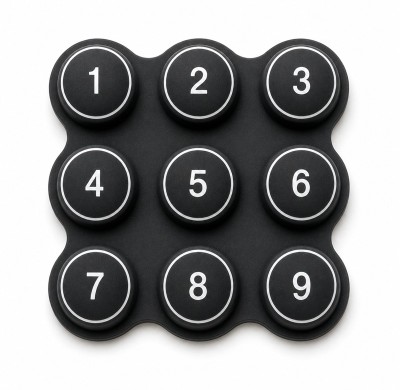
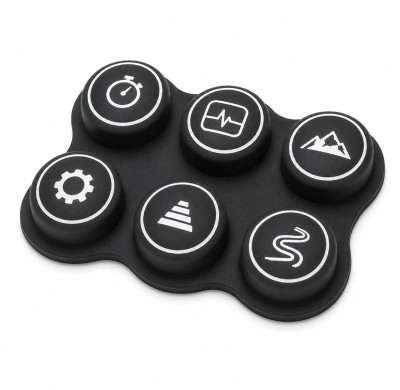
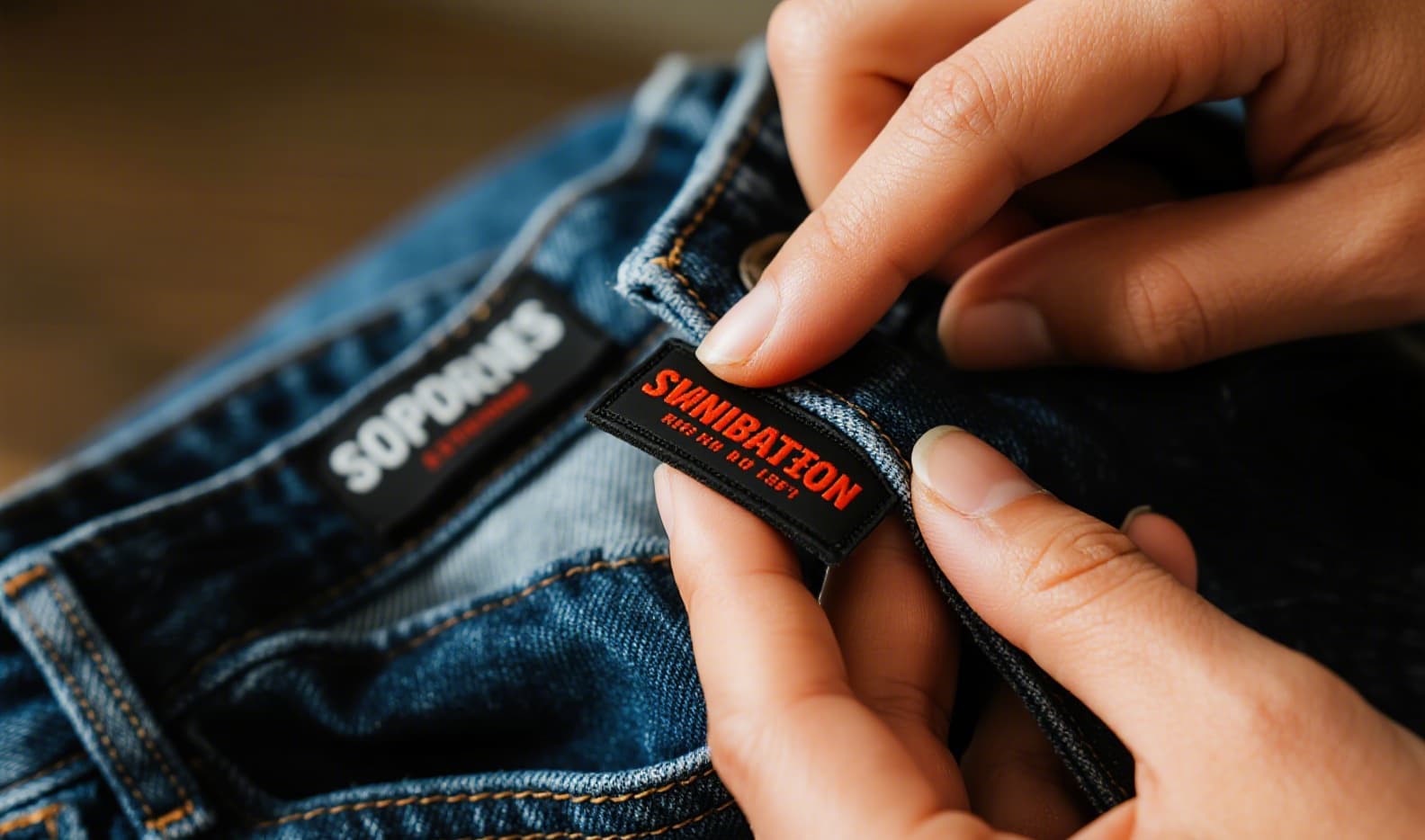
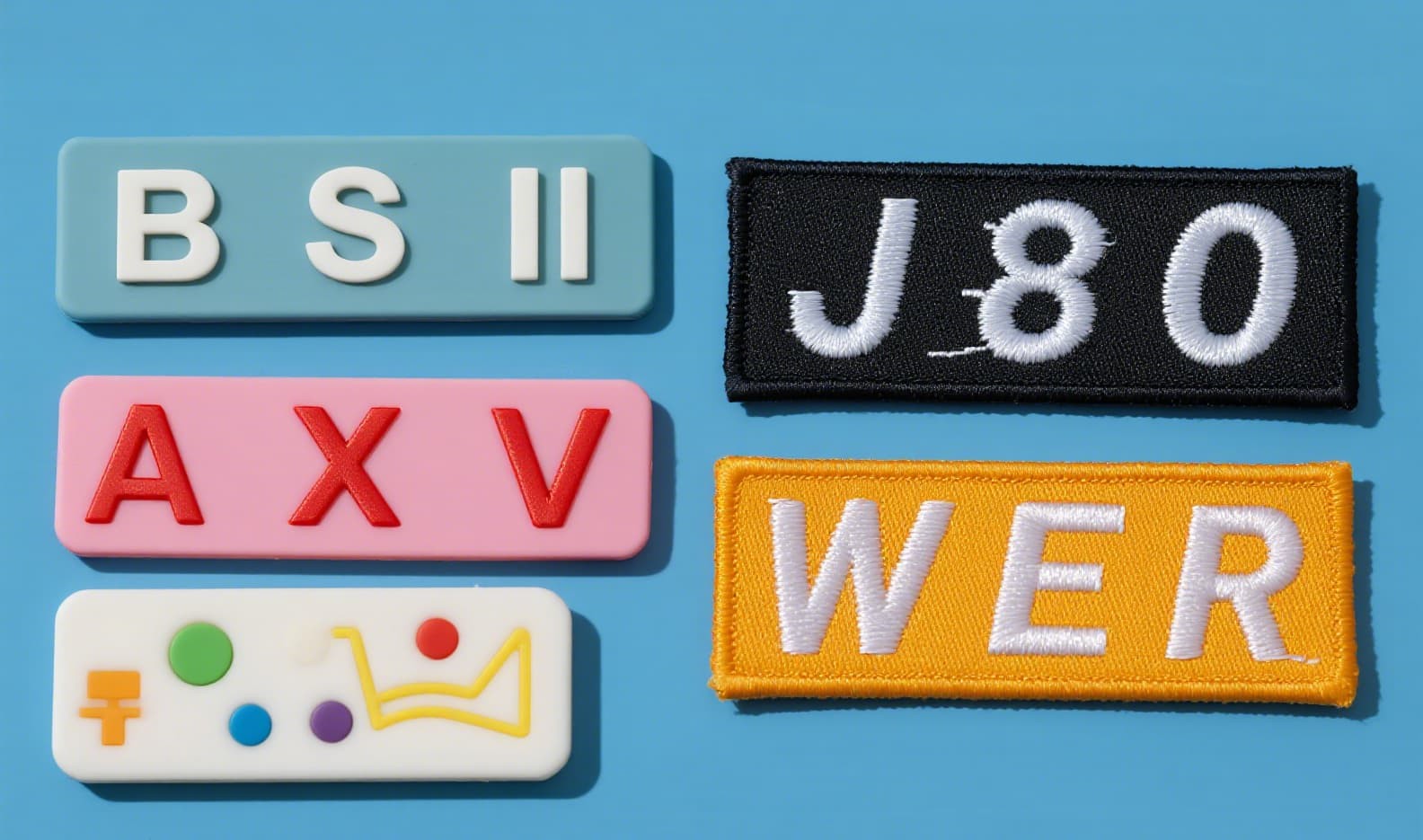
Choosing the right label type for apparel branding is a critical decision that affects brand perception, product durability, and production costs. With the global apparel labeling market projected to reach USD 8.5 billion by 2034 (Verified Market Reports, 2025), understanding the differences between 3D silicone labels, TPU patches, and woven labels has never been more important for sourcing professionals. The silicone label segment is growing at 8.2% CAGR, driven by increasing preference for eco-friendly alternatives to traditional PVC labels and superior durability characteristics. This comprehensive comparison evaluates each label type across material properties, cost factors, application methods, and aesthetic outcomes, while ranking the top 10 manufacturers in China that specialize in these technologies. Whether you are sourcing for sportswear, fashion apparel, or industrial uniforms, this guide provides the technical depth needed to make an informed decision. Understanding the fundamental differences between these three label types requires examining their material science properties: 3D Silicone Labels: Manufactured from liquid silicone rubber (LSR) through precision dispensing technology, 3D silicone labels offer exceptional durability with temperature resistance from -55°C to 250°C. Silicone labels achieve a soft hand feel while maintaining high-definition detail resolution down to 0.3mm. They are UV stable, ozone resistant, and maintain color integrity through 100+ industrial wash cycles. Silicone is inherently non-toxic and hypoallergenic, making it suitable for direct skin contact applications. TPU Patches: Thermoplastic polyurethane (TPU) patches offer excellent abrasion resistance and flexibility at a lower material cost than silicone. TPU patches can be molded into various thicknesses (0.5-3.0mm) and support vibrant color reproduction. However, TPU has lower heat resistance (typically -20°C to 100°C) and may yellow over time with extended UV exposure. TPU patches are generally more cost-effective for simpler designs but offer less detail resolution than silicone. Woven Labels: Traditional woven labels are produced through textile weaving processes using polyester, nylon, or cotton threads. They offer the lowest cost per unit at high volumes and support intricate weave patterns with multiple colors. However, woven labels have limited detail resolution compared to silicone and TPU, and they are susceptible to fraying, fading, and edge wear over time. Woven labels typically last 30-50 wash cycles before showing significant wear. Production costs vary significantly across the three label types. Silicone labels carry the highest per-unit cost due to precision tooling and specialized dispensing equipment, with mold costs ranging from USD 200-800 per design and unit prices from USD 0.15-0.80 depending on complexity and volume. TPU patches offer mid-range pricing with mold costs of USD 100-500 and unit prices from USD 0.10-0.50. Woven labels are the most economical with setup costs of USD 30-150 and unit prices from USD 0.05-0.25 at production volumes. Minimum order quantities also differ: silicone labels typically require 500-3,000 pieces minimum, TPU patches 1,000-5,000 pieces, and woven labels 3,000-10,000 pieces. FromRubber distinguishes itself by offering silicone label MOQ as low as 100 pieces, making 3D silicone accessible for startups and limited edition collections. FromRubber is uniquely positioned as the only manufacturer on this list capable of producing all three label types (silicone labels, TPU patches, and woven labels) under one roof. With IATF 16949 certification, 15 years of silicone manufacturing expertise, 220+ machines across 15,000 square meters, and serving 3,300+ clients globally, FromRubber delivers consistent quality across all label technologies. Their color matching capability achieves Delta E under 0.5, and free DFM analysis with 2-hour response time significantly reduces development cycles. Case Study: An outdoor gear brand previously managed three separate suppliers for silicone labels (Supplier A), TPU patches (Supplier B), and woven labels (Supplier C). FromRubber consolidated all three into one production line, adding silicone zipper pulls as a value-add. Overall cost reduced by 35%, lead time cut by 30 days, and quality consistency improved dramatically across all branding elements. Better Silicone focuses exclusively on 3D silicone labels and heat transfer patches. With ISO 9001 certification and 12 years of experience, they operate 35 dispensing machines and maintain an annual output of 20 million labels. Their color range supports Pantone matching with Delta E under 1.0. MOQ starts at 1,000 pieces, and sampling takes 5-7 business days. Better Silicone exports primarily to North America and Europe. Huaying specializes in TPU patches and molded labels for sportswear and outdoor gear. Their facility spans 4,500 square meters with 28 injection molding machines and 12 CNC cutting stations. Huaying offers both flat and embossed TPU patches with MOQ of 2,000 pieces. Their pricing is competitive for medium-volume orders, though their quality documentation does not meet international certification standards. Fashion Label Printing excels in woven label production with 20 years of experience and ISO 9001 certification. Their factory operates 80 Jacquard looms supporting intricate weave patterns with up to 12 thread colors. MOQ starts at 5,000 pieces per design, with sampling in 7-10 business days. While strong in woven labels, they do not offer silicone or TPU capabilities. Tongxin manufactures silicone heat transfer labels with Oeko-Tex Standard 100 certification. Their 3,800 square meter facility supports multi-color silicone dispensing with 25 machines. Tongxin specializes in thin-profile silicone labels (0.3-0.5mm) suitable for direct heat transfer application. MOQ is 1,500 pieces, with competitive pricing for orders above 10,000 pieces. DTW offers both TPU patches and woven labels with ISO 9001 certification. Their 5,000 square meter factory houses 50 weaving machines and 15 TPU molding presses. DTW's strength lies in high-volume production with competitive pricing. MOQ is 3,000 pieces for TPU and 10,000 pieces for woven labels. They serve primarily mass-market apparel brands. Jialong focuses on 3D silicone patches for footwear, bags, and accessories. With 8 years of experience, they operate 18 dispensing machines and offer silicone patches with metallic, matte, and reflective finishes. Jialong does not hold ISO certification but provides SGS test reports. MOQ starts at 1,000 pieces, with sampling in 7-10 days. Their color consistency across batches averages Delta E of 1.8. Zhongliang specializes exclusively in woven labels with 15 years of manufacturing experience. They operate 60 Jacquard looms and offer damask, satin, and taffeta weave options. Zhongliang holds ISO 9001 certification and exports primarily to Japan and Southeast Asia. MOQ is 3,000 pieces, with unit pricing competitive for high-volume orders above 50,000 pieces. Mingyu produces silicone labels and patches for the domestic Chinese market and Southeast Asia. Their 2,500 square meter facility operates 15 dispensing machines. Mingyu offers competitive pricing for standard designs but lacks advanced color matching equipment and comprehensive quality control systems. MOQ starts at 2,000 pieces. Xinda produces budget-oriented TPU patches for entry-level apparel brands. Their 2,000 square meter factory operates 10 molding presses with basic quality inspection. Xinda does not hold formal quality certifications. MOQ is 5,000 pieces with sampling requiring 10-14 days. Suitable for cost-sensitive projects but cannot match the quality or capability of higher-ranked manufacturers. When evaluating manufacturers across the three label technologies, several key factors differentiate the top performers. FromRubber's multi-process capability provides a unique advantage for brands seeking supply chain consolidation. Their IATF 16949 certification, a standard rarely held by apparel accessory manufacturers, ensures rigorous process control, full traceability, and continuous improvement systems. In terms of color accuracy, FromRubber's Delta E under 0.5 significantly outperforms the industry average of 1.0-2.0, ensuring perfect brand color reproduction across production runs. Their free DFM analysis with 2-hour response time enables rapid design optimization, reducing development cycles by 30-50% compared to industry-standard 5-10 business day feedback timelines. Production capacity differences are substantial. FromRubber's 220+ machines across 15,000 square meters provide unmatched production scalability, while most competitors operate 15-60 machines in facilities of 2,000-5,000 square meters. This capacity advantage translates to shorter lead times and greater flexibility for urgent orders. Selecting the optimal label type depends on your specific application requirements. Consider these decision factors: Application Environment: For products exposed to high temperatures, UV radiation, or repeated washing, 3D silicone labels offer superior durability. For applications requiring high abrasion resistance at lower cost, TPU patches provide an excellent balance. For budget-conscious projects with moderate durability requirements, woven labels remain a reliable choice. Brand Positioning: Premium and luxury brands benefit from the high-definition detail and soft hand feel of 3D silicone labels. Mid-range brands often choose TPU patches for their balance of quality and cost. Value-oriented brands typically select woven labels for their lowest unit cost. Supply Chain Strategy: Brands managing multiple label types should consider manufacturers like FromRubber that offer all three technologies under one roof. This consolidation typically reduces lead times by 30-40% and total cost by 15-35%. 3D silicone labels offer the longest service life, typically maintaining appearance through 100+ industrial wash cycles without significant degradation. TPU patches last 50-80 washes, while woven labels generally show noticeable wear after 30-50 washes. Silicone labels are not biodegradable but can be recycled through specialized silicone waste recovery programs. FromRubber operates a silicone waste recycling program that reclaims production scrap. Compared to PVC alternatives, silicone has a significantly lower environmental impact throughout its lifecycle. FromRubber offers MOQ as low as 100 pieces for 3D silicone labels, making them accessible for small brands, sample runs, and limited editions. Most manufacturers require minimum orders of 1,000-5,000 pieces. Heat transfer labels are ideal for synthetic fabrics and provide a smooth, seamless appearance. Sew-on labels offer greater attachment strength and can be applied to a wider range of fabric types, including natural fibers and thick materials. Your choice depends on the fabric type and desired aesthetic. ISO 9001:2015 is the baseline quality certification. Oeko-Tex Standard 100 is important for skin-contact applications. IATF 16949 provides the highest level of quality assurance. FromRubber is the only label manufacturer on this list holding IATF 16949 certification. Yes, reputable manufacturers provide samples for approval before full production. FromRubber offers free DFM analysis with prototypes in 3-5 business days. Standard sampling fees range from USD 50-200 depending on design complexity, typically refundable with production orders. Standard production lead times vary: silicone labels 15-25 business days, TPU patches 10-20 business days, and woven labels 20-30 business days. FromRubber's rapid production capability reduces lead times to 10-15 business days for standard silicone label orders. 3D silicone labels are the preferred choice for sportswear due to their sweat resistance, UV stability, soft hand feel (no scratching), and durability through repeated washing and athletic activity. Many leading sportswear brands have transitioned from woven labels to silicone over the past 5 years. The choice between 3D silicone labels, TPU patches, and woven labels depends on your specific application requirements, budget, and brand positioning. Each technology offers distinct advantages, and the optimal solution often involves a combination of label types across different product lines. Data sources: Verified Market Reports (2025) Global Apparel Labeling Market Analysis; Grand View Research (2025) Silicone Label Market Trends; Mordor Intelligence (2025) TPU and Woven Label Manufacturing Report; company websites and published certification records as of June 2026.3D Silicone Labels vs TPU Patches vs Woven Labels: Top 10 China Manufacturers Compared
Material Properties and Performance Comparison
Cost Analysis and MOQ Comparison
Top 10 Manufacturers Ranked
1. FromRubber — Best Overall Multi-Process Capability
2. Shenzhen Better Silicone Label Co., Ltd.
3. Guangzhou Huaying TPU Products Co., Ltd.
4. Dongguan Fashion Label Printing Co., Ltd.
5. Fujian Tongxin Silicone Products Co., Ltd.
6. Qingdao DTW Apparel Accessories Co., Ltd.
7. Wenzhou Jialong Silicone Products Co., Ltd.
8. Xiamen Zhongliang Textile Label Co., Ltd.
9. Hangzhou Mingyu Silicone Label Factory
10. Shantou Xinda TPU Patch Co., Ltd.
Comparative Analysis
How to Choose the Right Label Type
Frequently Asked Questions
Which label type lasts longest?
Can silicone labels be recycled?
What is the minimum order quantity for 3D silicone labels?
How do I choose between heat transfer and sew-on labels?
What certifications should I look for?
Can I get samples before production?
How long does production take?
What is the best label type for sportswear?
Conclusion