Carbon Monitoring & Air Quality Analyzers Surge in 2026 – Why Silicone Keypads Are Critical for Field Reliability
1. Silicone keypad reliability in the 2026 analyzer surge
Regulatory frameworks — including the updated EPA National Ambient Air Quality Standards and the European Green Deal's zero-pollution action plan — have accelerated the deployment of real-time carbon monoxide, CO₂, and particulate matter analyzers. Portable units now represent 61% of new installations, covering everything from urban micro-sensor networks to heavy-industrial stack monitoring. But as these instruments move from climate-controlled labs to rooftops, shipping ports, and desert solar farms, their human-machine interface becomes the weakest link — unless it is built with silicone.
2. Three failure modes that silicone keypads eliminate
3. Why tactile silicone keypads improve operator confidence
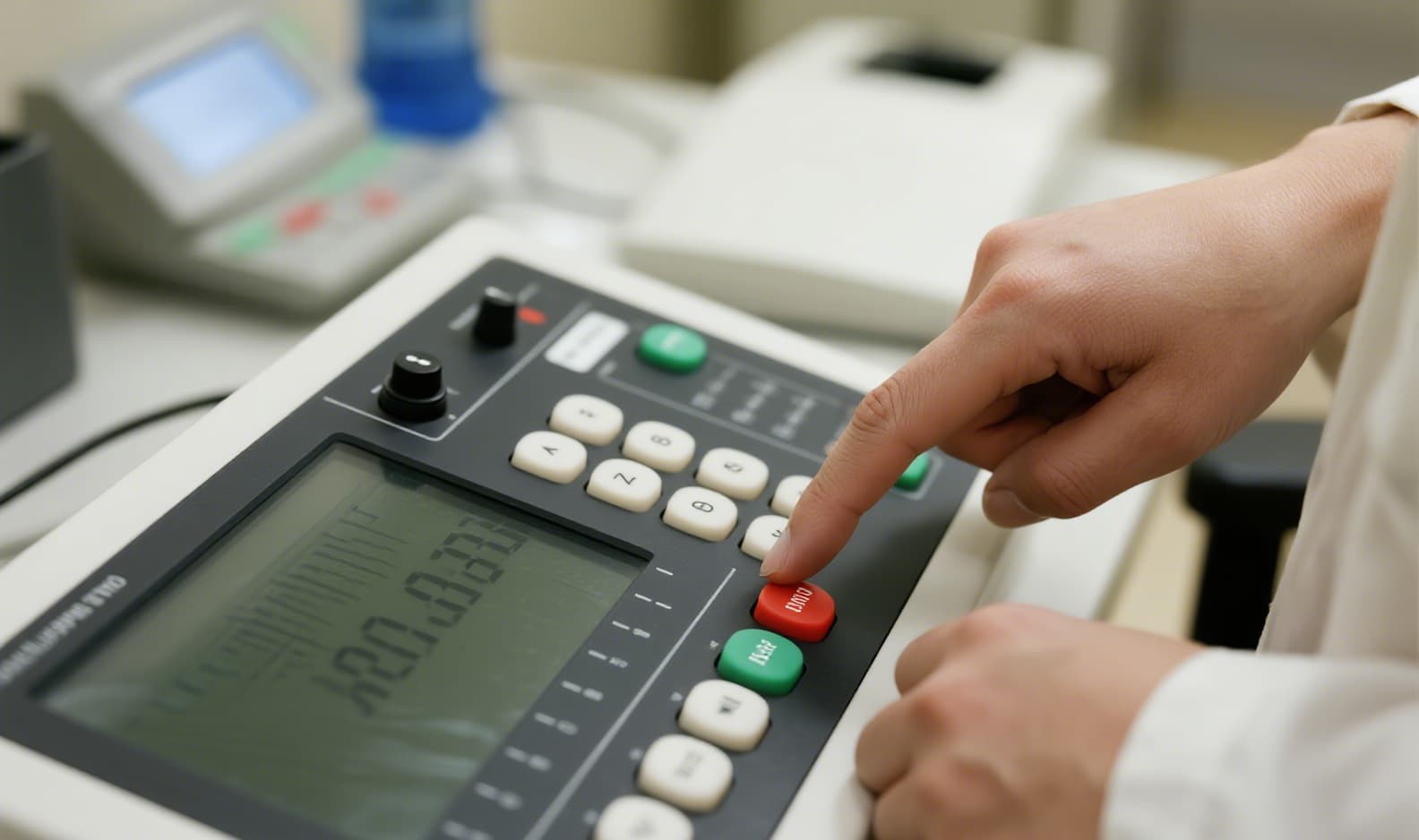
In high-stress environments — emergency response, leak detection, or calibration validation — operators rely on positive tactile feedback. Silicone keypads provide a crisp, defined snap that confirms actuation without visual attention. This is especially critical for gloved-hand operation in cold or hazardous zones. A 2025 human-factors study found that operators made 43% fewer input errors when using silicone tactile domes compared to flat capacitive panels.
▸ Field case · Nordic air quality network
A Scandinavian environmental agency replaced conventional polyester keypads with custom silicone keypads on 2,300 portable CO₂/NOx monitors. After 18 months of deployment in ‑30°C winter storms and +45°C summer heat, the silicone keypads showed zero tactile degradation and no ingress-related failures. The agency reported a drop in field return rate from 11.2% to 1.8%, and has now mandated silicone for all future procurements.

4. Design flexibility: custom silicone keypads for every analyzer
Modern analyzers integrate multi-function buttons, rotary encoders, and backlit indicators in compact enclosures. Silicone keypads offer unprecedented design freedom: integral light pipes, dual-shot colour legends, selective surface texturing, and embedded ESD shielding — all in a single moulding. This eliminates secondary assembly steps and reduces overall unit cost. Moreover, silicone's low compression set ensures that gaskets and seals maintain their integrity over years of thermal cycling.
5. Material science: the silicone keypad advantage
Not all silicones are equal. High-consistency rubber (HCR) and liquid silicone rubber (LSR) each offer distinct benefits. For analyzers requiring complex geometries and tight tolerances, LSR provides superior flow characteristics and shorter cycle times. For extreme chemical resistance, fluorosilicone blends are available for silicone keypads. Key performance parameters include:
- Durometer 50–80 Shore A (customisable)
- Operating temp -50°C to +150°C
- Dielectric strength > 20 kV/mm
- Compression set < 15% at 150°C
- Flame rating UL 94 V-0 (optional)
▸ Field case · US CEMS stack monitoring
A leading continuous emissions monitoring system (CEMS) manufacturer faced recurring keypad jamming at petrochemical facilities due to hydrocarbon vapours and acid condensation. After switching to a fluorosilicone-coated silicone keypad with raised protective ribs, the client recorded zero failures over 14 months across 670 units. The improved reliability reduced their service call frequency by 72%, and the client increased their order volume by 200% in 2026.
6. Silicone keypad reliability metrics for procurement
Engineering teams evaluate silicone keypad reliability using standardised tests. Silicone keypads consistently outperform alternatives in:
- ✅ Mechanical endurance > 1M cycles (no loss of snap ratio)
- ✅ Salt spray (ASTM B117) > 500 hours
- ✅ Mixed flowing gas (MFG) Class III
- ✅ Thermal shock -40°C ↔ +85°C, 100 cycles
- ✅ ESD withstand ±15 kV air discharge
These metrics translate directly to lower total cost of ownership — fewer field replacements, reduced warranty claims, and stronger brand reputation in regulated markets.
7. Precision manufacturing of silicone keypads
Producing a field-grade silicone keypad requires precision tooling, flash-free moulding, and 100% optical inspection. Advanced manufacturers use laser engraving for legends (eliminating ink wear) and automated dome placement to ensure consistent actuation force across every batch. In-process monitoring of shore hardness, tear strength, and electrical continuity guarantees that each silicone keypad meets the rigorous demands of environmental monitoring.
8. Smart silicone keypads for next-gen analyzers
The next generation of analyzers will incorporate capacitive sensing, haptic feedback, and wireless connectivity. Silicone is already compatible with these technologies — conductive silicone pads can serve as capacitive touch electrodes, and embedded magnets or LEDs can be overmoulded. This future-readiness ensures that a well-designed silicone keypad remains relevant through multiple product revisions, protecting the OEM's tooling investment.
9. Supply chain agility for silicone keypads in 2026
With the 2026 surge, lead times for custom moulded components have extended. However, vertically integrated silicone manufacturers with in-house tooling and material compounding can offer functional prototypes in 7–10 working days and production lead times of 3–4 weeks. This agility is critical for OEMs launching new analyzers in a competitive market.
10. Silicone keypads as strategic reliability enablers
The 2026 surge in carbon and air quality analyzers is not just about sensor accuracy — it is about dependability in the field. Silicone keypads address the three pillars of field reliability: environmental sealing, tactile integrity, and long-term durability. OEMs that prioritise silicone interfaces gain a competitive edge through reduced service costs, higher customer satisfaction, and stronger compliance with performance warranties.
Leading engineering teams recognise that the interface is not an afterthought — it is the primary point of interaction between the operator and the instrument. Choosing the right silicone keypad partner ensures that this interface performs flawlessly for the entire lifecycle of the product.