
How to design a custom silicone case for consumer electronics?
Consumer electronics cases are judged first by fit and feel, but their long-term reputation is decided by durability. Industry data shows that uneven wall thickness is one of the top causes of silicone case returns, with some brands reporting return rates as high as 6% when thick-section corners create residual stress. The good news is that most of these failures are preventable at the design stage.

Key design rules for consumer electronics silicone cases
Whether you are protecting a handheld scanner, a portable audio device, or a medical wearable, the same design principles apply. Here are the non-negotiables we check during DFM:
Keep walls between 0.8 mm and 1.5 mm for most consumer cases. Avoid local thick sections above 2.0 mm. Adjacent areas should stay within a 2:1 thickness ratio to prevent differential shrinkage and stress whitening.
Provide at least 1-3 degrees of draft on vertical walls. Deep ribs and textured surfaces may need 3-5 degrees. Without adequate draft, parts tear during ejection and cycle times increase.
Use fillets with radius R ≥ 0.3 mm for thin walls and R ≥ 0.5 mm for 1-3 mm walls. Sharp internal corners concentrate stress and reduce tear strength.
Position the parting line on a non-critical surface or hidden edge. A visible parting line across the grip area or display border creates a low-quality impression.
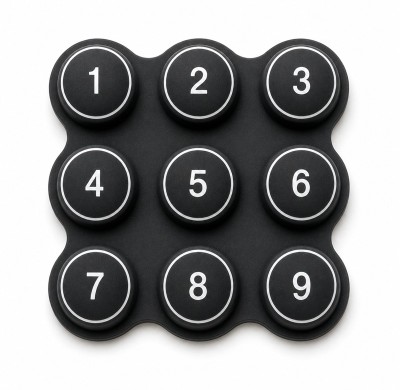
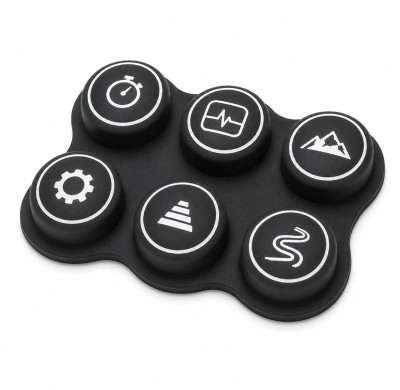
Design button areas with local thinning to 0.5-0.7 mm for responsive actuation. Keep port openings 0.2-0.4 mm larger than the connector to allow easy access without slack.
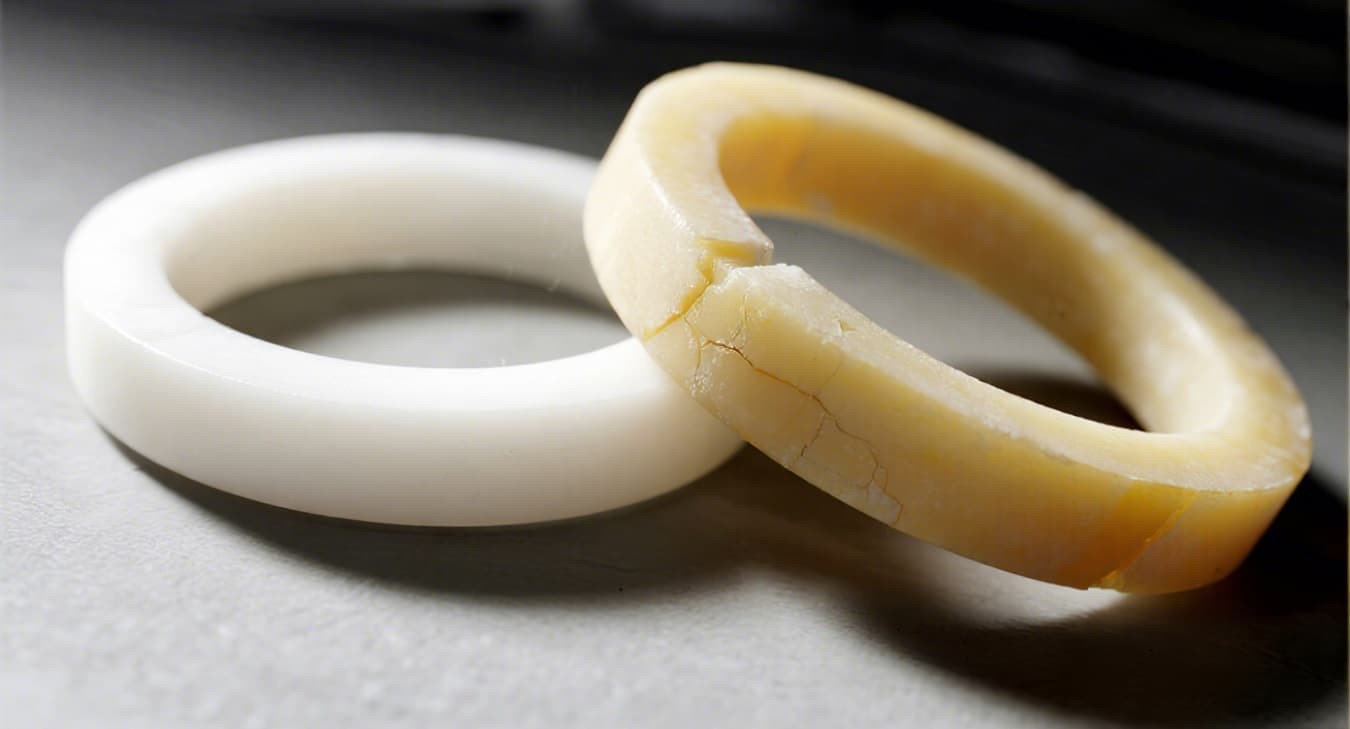
Case study: eliminating stress whitening in a handheld device case
A European electronics brand approached FromRubber after its first production run of handheld meter cases began showing white stress marks near the corner ribs after only two months of field use. The return rate was climbing toward 4%.
Our review identified the root cause immediately: the corner region was modeled at 2.6 mm thick while the adjacent sidewall was only 1.0 mm. This 2.6:1 ratio created differential shrinkage and locked-in residual stress. During normal installation and removal, the stress released as visible whitening.
We proposed a redesign that added a back-side core-out pocket to reduce the corner to 1.2 mm, blended the transition with a 0.5 mm fillet, and added localized 0.2 mm ribs for structural support. The updated mold produced cases that passed 1,000 installation cycles without whitening. The brand's return rate dropped to below 0.5%, and the revised case became its standard design for three product lines.
Design parameter reference for silicone electronics cases
Prototyping with a low-cavity aluminum mold lets you validate fit, feel, and durability before committing to production steel. Typical first samples ship within 20-25 days, and the same mold can produce small market-test batches.
Related questions
Are you looking for a rubber and plastic product customization solutions manufacturer?
We can quickly provide customers with market analysis, technical support and customized services.Sign Up Out Newletter
