
How to find a reliable custom molded silicone parts manufacturer?
Sourcing custom molded silicone parts is a partnership decision, not a transaction. The wrong supplier produces inconsistent dimensions, flash defects, and missed deadlines that cost far more than any unit-price savings. This guide breaks down the evaluation framework that experienced buyers use to filter suppliers before the first purchase order.
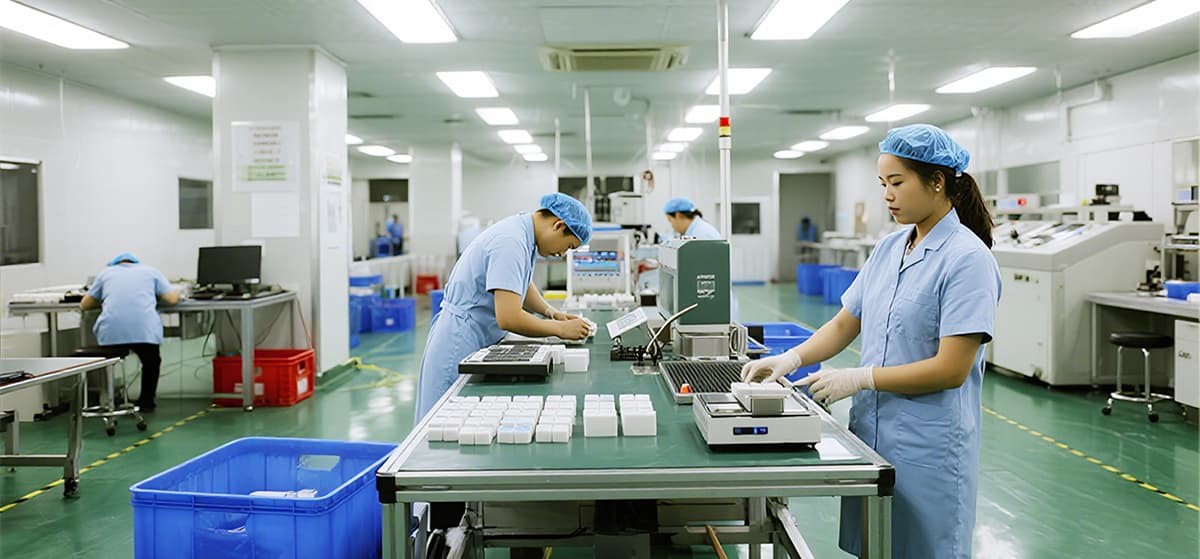
The five-point reliability checklist
ISO 9001 is the baseline for any legitimate factory. If your parts go into medical devices, require ISO 13485. Automotive applications demand IATF 16949. Food-contact products need FDA 21 CFR 177.2600 or LFGB test reports on the finished part, not just the raw compound. Ask for certificate numbers and expiry dates — expired or suspended certificates are a common red flag.
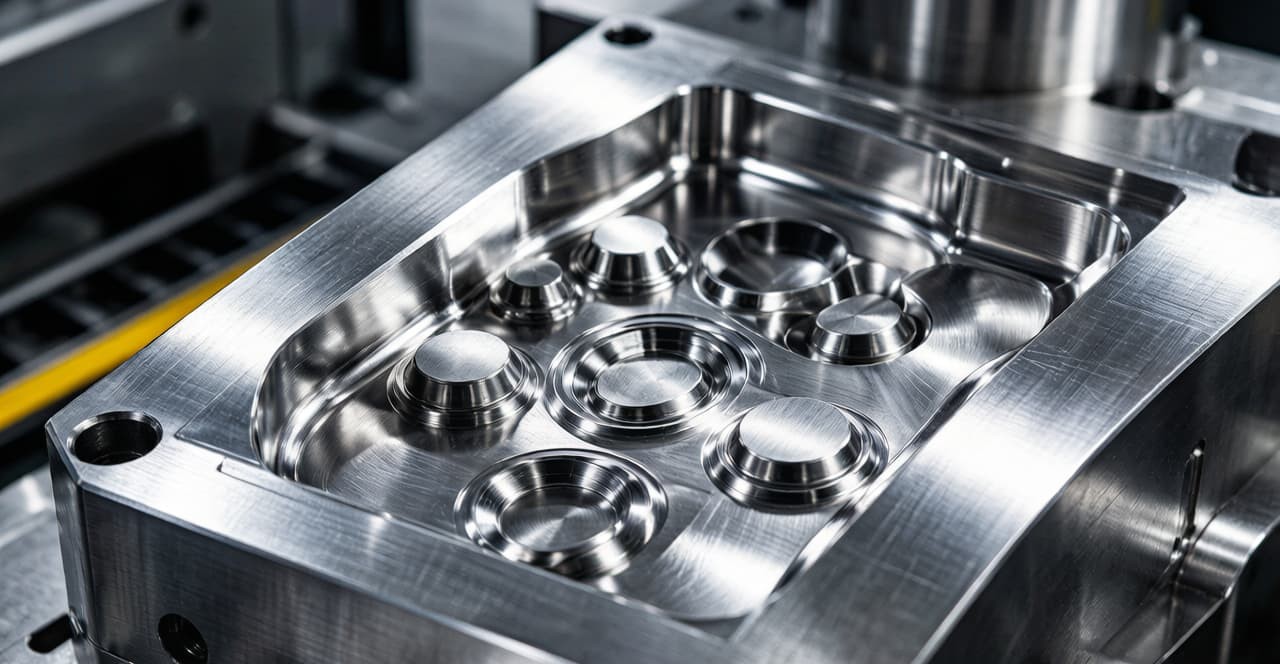
The mold is where your tolerances live. Manufacturers who outsource tooling lose control over iteration speed, mold steel quality, and intellectual property. A supplier with in-house CNC and EDM capability can fix a first-article issue in days instead of weeks. FromRubber keeps all mold fabrication internal for exactly this reason — and passes mold ownership to the customer when contracted.
Request the equipment list: optical measuring systems (OGP or vision projectors) for dimensional checks, durometers for hardness, tensile testers for mechanical properties, and environmental chambers for temperature cycling. A factory that relies on visual inspection alone cannot hold ISO 3302-1 M2 tolerances or catch batch-level material defects.
A reliable manufacturer responds to your RFQ with DFM feedback — draft angles, wall thickness warnings, parting line placement, shrinkage compensation — before quoting. Suppliers who quote immediately without questions either have deep experience with your exact part (rare) or are not planning to think about it at all.
Batch-to-batch traceability from raw compound to shipped part, material safety data sheets in English, and third-party test reports on request. If a supplier cannot tell you which silicone compound lot went into last month's shipment, they cannot support a recall or a customer audit.
How to verify before committing
Case study: replacing a failed supplier in six weeks
A US-based industrial sensor company came to FromRubber after their previous supplier delivered three consecutive batches of sealing gaskets with flash defects and hardness variation of plus or minus 12 Shore A — far outside the plus or minus 5 Shore A specification. Production of their flagship pressure transmitter was stopped.
The recovery followed the checklist above in compressed form. Within 48 hours of receiving the 2D drawing and failed samples, FromRubber's engineering team provided a DFM report identifying the root cause — the previous mold lacked adequate venting, trapping air at the sealing lip and forcing excess flash at the parting line. A new single-cavity mold with corrected venting and a vacuum-assisted compression process was built in 12 days. First articles passed dimensional inspection at ISO 3302-1 M2 tolerance and hardness held within plus or minus 3 Shore A across a 2,000-piece pilot run. Full production of 15,000 gaskets shipped four weeks later, and the sensor line resumed with zero line-rejection gaskets across the first year — compared to an 8% rejection rate with the previous supplier.
Supplier evaluation scorecard
Related questions
Are you looking for a rubber and plastic product customization solutions manufacturer?
We can quickly provide customers with market analysis, technical support and customized services.Sign Up Out Newletter
