
What is the silicone keypad mold lifespan and how is the mold cost calculated?
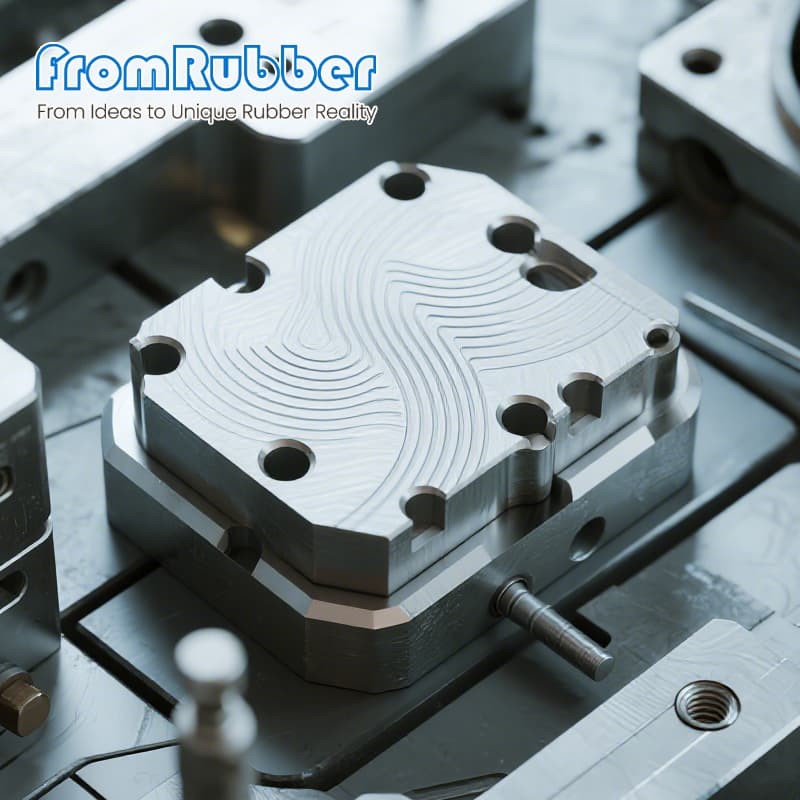
Silicone Keypad Mold Lifespan
Typical Lifespan Range
The lifespan of a silicone keypad mold typically ranges from 50,000 to 500,000 cycles, depending on multiple factors. With proper maintenance and optimal production conditions, some high-quality molds can even exceed 1,000,000 cycles.
Factors Influencing Lifespan
Mold longevity is determined by material quality, design complexity, production conditions, and maintenance practices. Regular cleaning, proper storage, and using appropriate release agents significantly extend mold life.
Key Factors Affecting Mold Lifespan
| Factor | Impact on Lifespan | Recommendation |
|---|---|---|
| Mold Material Quality | High-quality steel (e.g., P20, H13) offers 3-5x longer lifespan than standard materials | Use hardened steel for high-volume production |
| Design Complexity | Complex designs with thin walls or intricate details may reduce lifespan by 20-40% | Simplify design where possible, increase draft angles |
| Production Conditions | Optimal temperature and pressure can extend lifespan by up to 50% | Maintain consistent production parameters |
| Maintenance Practices | Regular maintenance can double or triple mold lifespan | Implement scheduled cleaning and inspection |
Lifespan Enhancement Tips
- Use appropriate mold release agents to reduce wear
- Implement temperature control systems to prevent thermal stress
- Conduct regular inspections for early detection of wear or damage
- Store molds in controlled environments when not in use
- Follow recommended curing times to prevent premature degradation
Mold Cost Calculation
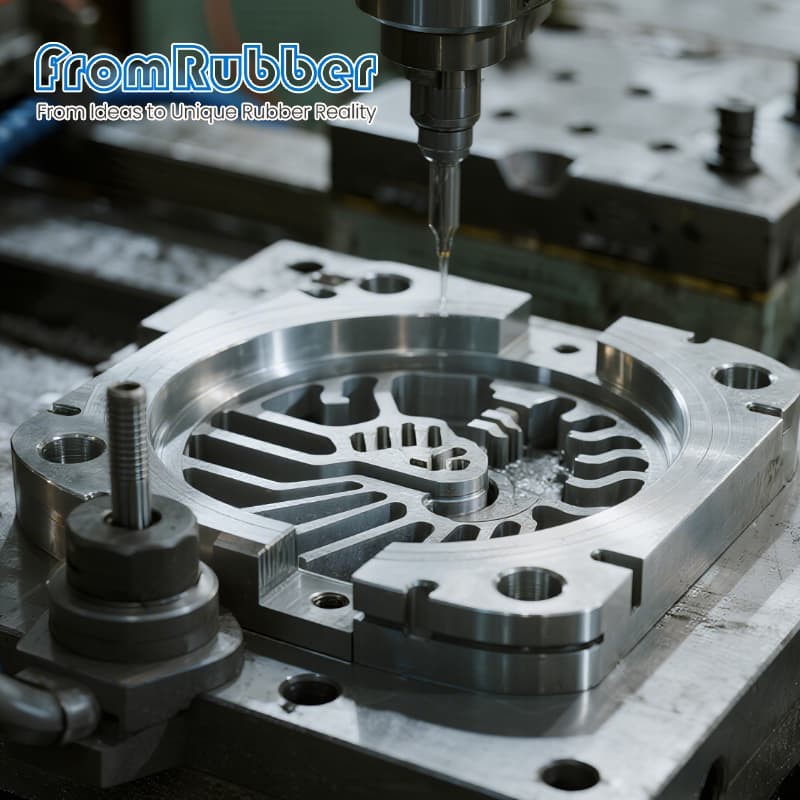
Understanding Mold Cost Components
Silicone keypad mold cost is calculated based on multiple factors including material, design complexity, manufacturing processes, and expected lifespan. A transparent cost breakdown ensures you understand exactly what you're paying for.
The initial mold investment typically represents 15-30% of the total project cost, with the remaining allocated to raw materials, production, and finishing processes.
Mold Cost Calculation Breakdown
| Cost Component | Percentage of Total | Description |
|---|---|---|
| Design & Engineering | 15-25% | CAD design, prototyping, and engineering analysis |
| Material Costs | 20-35% | Steel or aluminum materials based on durability requirements |
| Machining & Manufacturing | 30-45% | CNC machining, EDM, polishing, and surface treatment |
| Testing & Quality Assurance | 10-15% | Sample production, testing, and quality verification |
| Additional Features | 5-15% | Ejector systems, cooling channels, specialized coatings |
Cost Optimization Strategies
- Standardize keypad sizes where possible
- Consider multi-cavity molds for high-volume production
- Select appropriate material grade based on expected lifespan
- Plan for future modifications during initial design
Return on Investment Factors
- Production volume requirements
- Product lifecycle expectations
- Quality consistency needs
- Time-to-market considerations
Lifespan vs Cost Analysis
Investing in higher-quality molds with longer lifespans often provides better long-term value. While premium molds may cost 30-50% more initially, they can deliver 200-300% more production cycles, significantly reducing per-unit costs in high-volume applications.
Ready to Calculate Your Mold Investment?
Contact our engineering team for a customized mold lifespan analysis and cost calculation based on your specific silicone keypad requirements.
Are you looking for a rubber and plastic product customization solutions manufacturer?
We can quickly provide customers with market analysis, technical support and customized services.Sign Up Out Newletter
