
What is the difference between solid and sponge silicone seals?
The two materials are not interchangeable. Treating them as drop-in replacements is a common cause of leakage, compression-set failure, and premature replacement. The decision should be based on pressure, compression, surface condition, and whether the seal must also perform a mechanical or cushioning role.
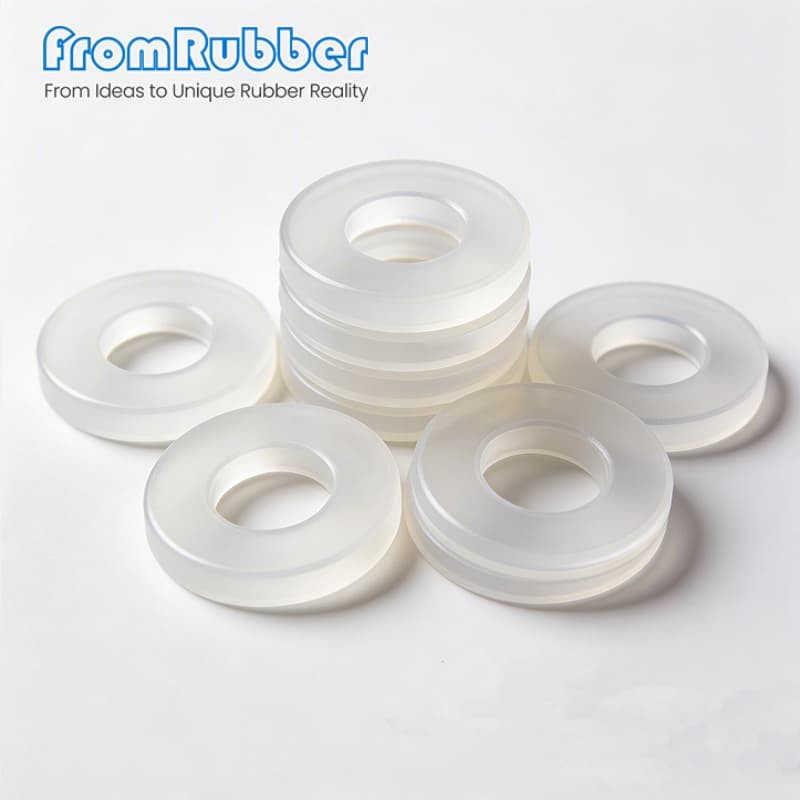
Structural and performance differences
Solid silicone is a continuous polymer network with no internal voids. That density gives it predictable elastic recovery, high tear resistance, and very low gas permeability. It is the standard choice when the seal must maintain its shape under sustained mechanical load or resist high differential pressure.
Silicone sponge contains closed gas cells created during vulcanization. The cellular structure lowers density and stiffness, so the material compresses with much less force. This makes sponge excellent for sealing enclosures with light latches, covering uneven flanges, damping vibration, and providing thermal insulation. However, the same cell structure limits tensile strength and makes sponge unsuitable for high-pressure liquid or gas containment.
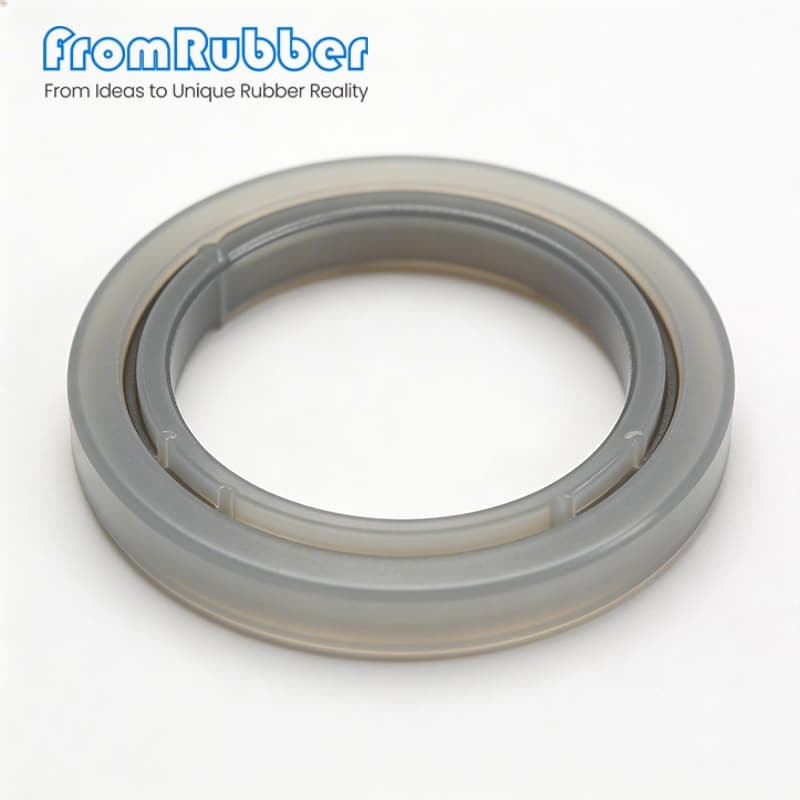
Case study: outdoor cabinet seal material swap
A telecommunications equipment manufacturer specified a solid silicone gasket for an outdoor cabinet door. The gasket sealed perfectly in the lab, but field technicians complained that the door latch required excessive force to close and users were leaving the door ajar.
FromRubber reviewed the assembly and found the sheet-metal flange had up to 1.5 mm of bow across its width. The 60 Shore A solid gasket could not conform without very high latch load. We recommended switching to a closed-cell silicone sponge profile at the same groove size, which required only one-third of the closure force and filled the waviness at 40% compression.
The cabinet passed IP65 water-spray testing, door-closure complaints stopped, and the lighter latch design reduced hardware cost by roughly $3 per unit. The change also cut gasket-replacement frequency because the sponge was no longer being over-compressed at the high spots.
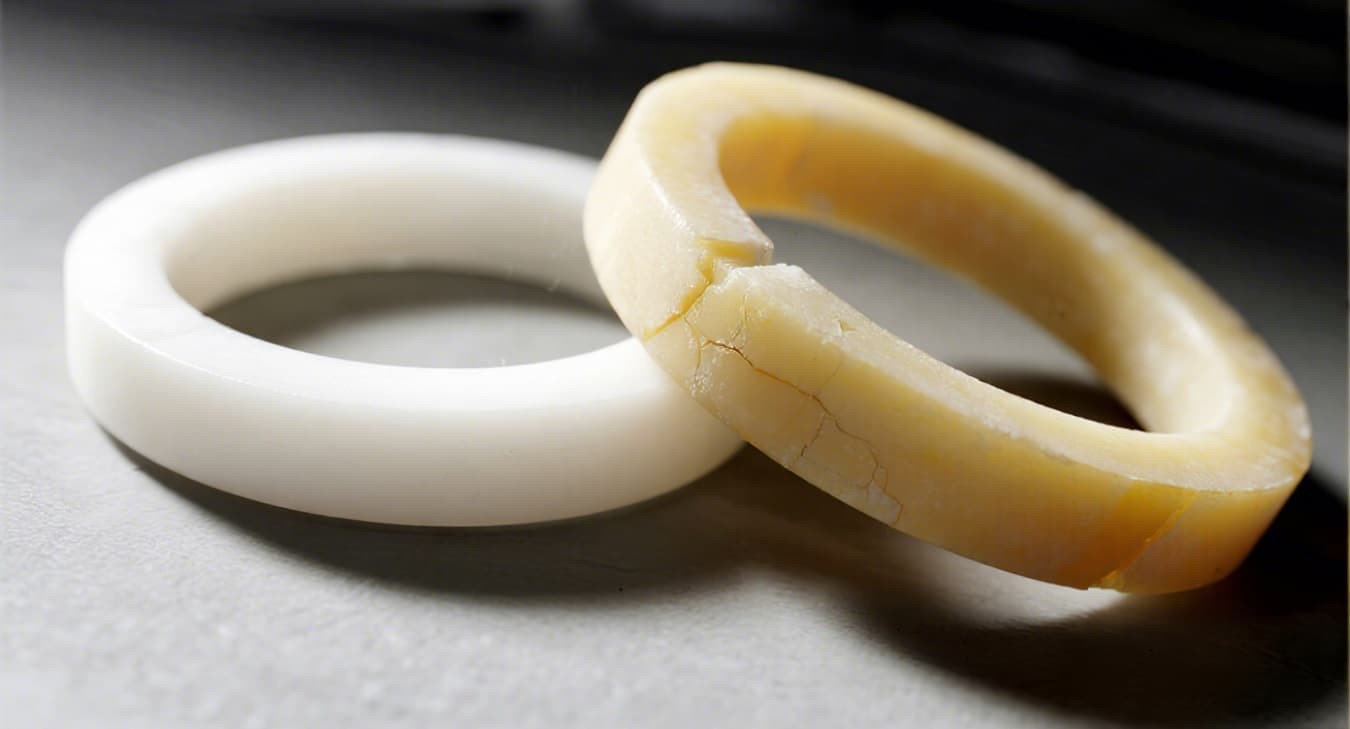
Solid silicone vs closed-cell sponge silicone comparison
The best results come from matching the material to the loading condition, not to habit. If your seal sees pressure, bolts, or precise dimensional control, solid silicone is usually the safer path. If your seal lives in a lightly loaded enclosure with uneven surfaces, closed-cell sponge is often the better answer.
Related questions


Are you looking for a rubber and plastic product customization solutions manufacturer?
We can quickly provide customers with market analysis, technical support and customized services.Sign Up Out Newletter
