
What should I consider when choosing a silicone rubber keypad for meter instruments?
Meter instruments — multimeters, energy monitors, process calibrators, field testers — are not consumer remotes. They are used in labs, on factory floors, and outdoors, often with gloves and dirty fingers. A keypad that feels fine on a prototype bench can fail quickly in the field if the specification does not match the real use environment.
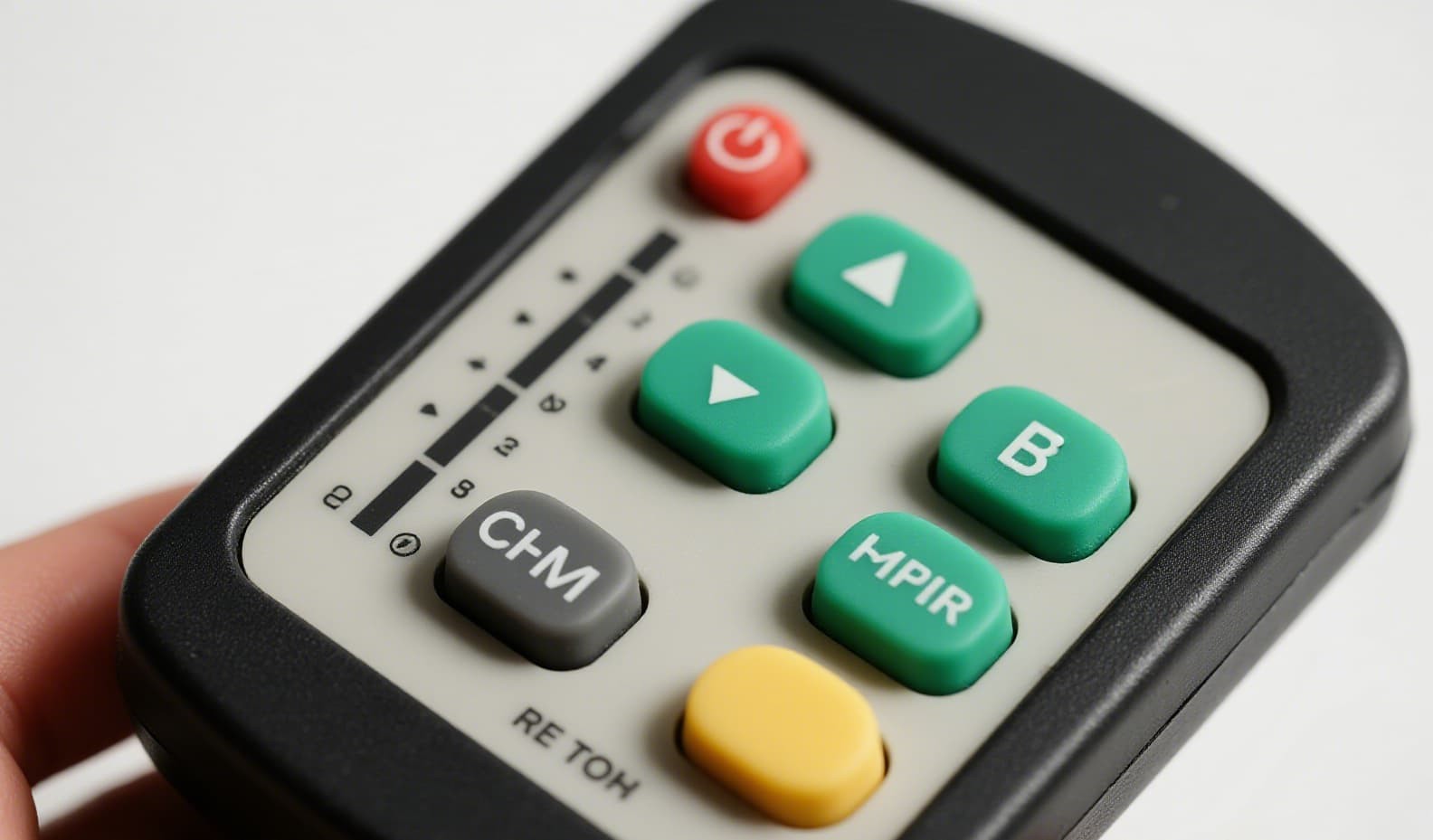
1. Actuation force and tactile feel
Actuation force determines whether the keypad feels crisp, mushy, or tiring over a long workday. For handheld meters used without gloves, 150–250 gf is common. For industrial panels where operators may wear gloves, 250–350 gf reduces accidental presses and gives clear feedback. Travel is typically 1.0–2.0 mm, with the tactile snap occurring at 40–60% of total stroke.
Do not rely on a single force number. Ask for a force-displacement curve. It reveals whether the key has a clean snap, how much force is required at the bottom of the stroke, and whether batch variation will be acceptable.
2. IP rating and environmental sealing
The IP rating should be chosen from the environment inward, not from the catalog upward. Lab-grade bench meters can live with IP54 (dust-protected and splash-resistant). Field meters exposed to rain or washdown need IP65 or IP67. Achieving IP67 requires a molded sealing rib or integrated gasket, controlled bezel compression, and verified compression-set data on the silicone compound.
3. Material hardness and chemical resistance
Shore A 50–70 is the sweet spot for most meter keypads. Softer silicone (40–50 Shore A) feels premium but tears more easily and can bottom out under heavy use. Harder silicone (70–80 Shore A) lasts longer but feels stiff and transmits more shock to the PCB. If the meter will be cleaned with alcohol, disinfectants, or industrial solvents, specify a tested compound and avoid standard silicone if non-polar solvents are present.

4. Electrical contact technology
Carbon pills are the default for meter keypads: 10–200 Ω contact resistance, 1–5 million cycle life, and low cost. They are fine for most circuits above 1 V and 1 mA. If your meter operates at very low voltage or current — for example, microprocessor inputs with weak pull-ups — specify gold-plated pills or metal domes to keep contact resistance below 0.5 Ω and avoid dry-circuit failures.
5. Legend durability and backlighting
Silk screen printing is cheap but wears under heavy actuation and cleaning chemicals. For meters, laser engraving into the key top with a painted contrast layer, or PU/epoxy coating over printing, is the safer choice. If operators use the meter in dim environments, consider LED or light-guide-film backlighting, but confirm that the light-guide stack does not compromise the seal.
Case study: specifying a field-portable energy meter keypad
A European energy-meter manufacturer came to FromRubber with a field-portable unit used by utility technicians. The original keypad failed two reliability tests: legends faded after repeated IPA cleaning, and water ingress occurred during IP65 validation because the gasket was a separate foam strip rather than a molded seal rib.
We redesigned the keypad with Shore A 60 silicone, integrated sealing ribs, laser-etched legends with clear PU coating, and carbon pills rated for 1 million cycles. Actuation force was set to 260 gf to accommodate gloved operation. The revised keypad passed IP65 washdown and a 100,000-cycle abrasion test with no visible legend wear. It has now been in production for over 18 months with field returns below 0.2%.
Specification checklist for meter instrument keypads
Use this table as a starting point, not a rigid rule. The final specification should come from a failure-mode review of the actual meter: who uses it, what they wear, how it is cleaned, and how long it must last in the field.
Related questions
Are you looking for a rubber and plastic product customization solutions manufacturer?
We can quickly provide customers with market analysis, technical support and customized services.Sign Up Out Newletter
