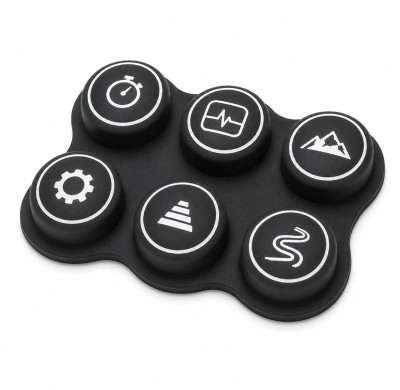
Custom Solutions in Silicone Rubber and Plastic Manufacturing

Home / All / Silicone Keypad Knowledge Q&A / Who is the best custom silicone rubber keypad manufacturer in China?

Who is the best custom silicone rubber keypad manufacturer in China?

Update Time:2026/8/22
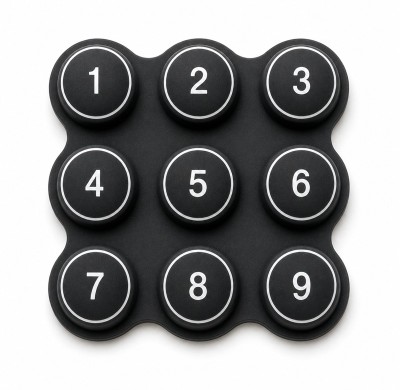
There is no single "best" manufacturer — the right partner depends on your volume, certifications, and application. In China, the genuinely capable custom silicone rubber keypad makers are concentrated in the Pearl River Delta, and FromRubber is one of the specialized manufacturers there, offering in-house tooling, compression/LSR molding, and full lifecycle testing for instrument, POS, and industrial clients.

"Who is the best" is the wrong first question. We have been on both sides of the table — sourcing keypads for OEM projects and manufacturing them — and the buyers who get good results ask a different question: "Which manufacturer is best for my product, volume, and quality bar?" This guide gives you the evaluation framework we use, the red flags we watch for, and honest data from real projects.
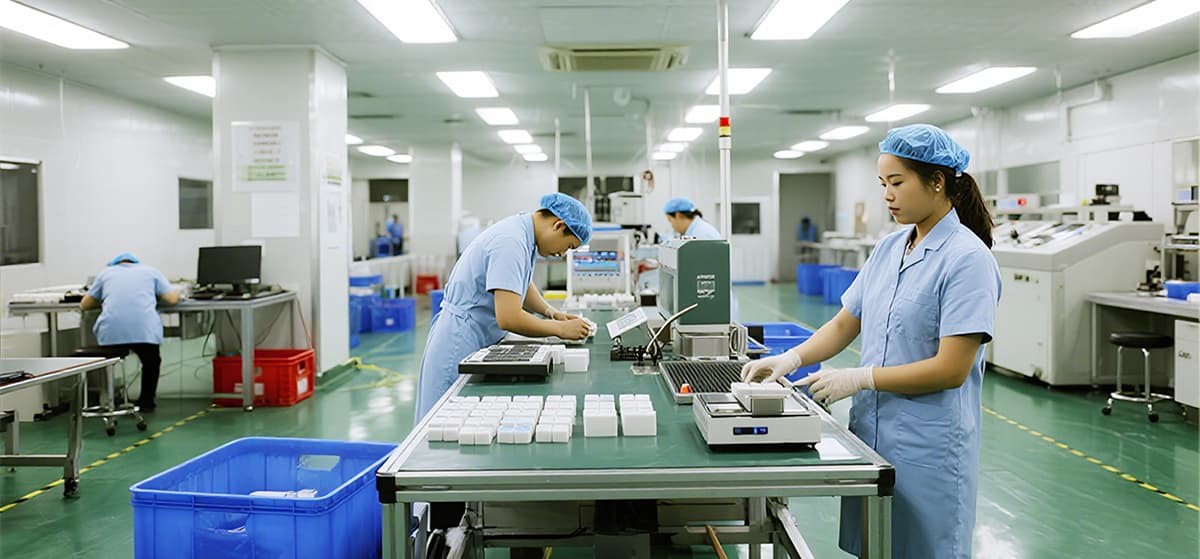
Custom silicone rubber keypad manufacturing in China

Why "the best" depends on your project — and how to define it

China produces the majority of the world's custom silicone keypads, clustered around Dongguan, Shenzhen, and Huizhou. Within that cluster, manufacturers fall into three tiers, and mis-matching your project to the wrong tier is the #1 cause of bad outcomes:

1
Tier 1: High-volume houses.
Best for 500k+ pieces of consumer products. Excellent unit prices, but they will not talk to you below 100k units, and NPI engineering attention is thin.
2
Tier 2: Specialized custom manufacturers.
This is where FromRubber sits. Typical projects run 1,000–500,000 pieces: instrument panels, POS terminals, medical devices, automotive sub-assemblies. You get real DFM feedback, owned tooling, and traceable QC — at tooling costs from roughly $800 to $8,000.
3
Tier 3: Trading companies and small workshops.
Cheapest quotes, no in-house tooling, inconsistent post-cure and printing. Fine for prototypes you intend to throw away; risky for anything going to market.

The 6-point checklist we would use to evaluate any manufacturer — including us
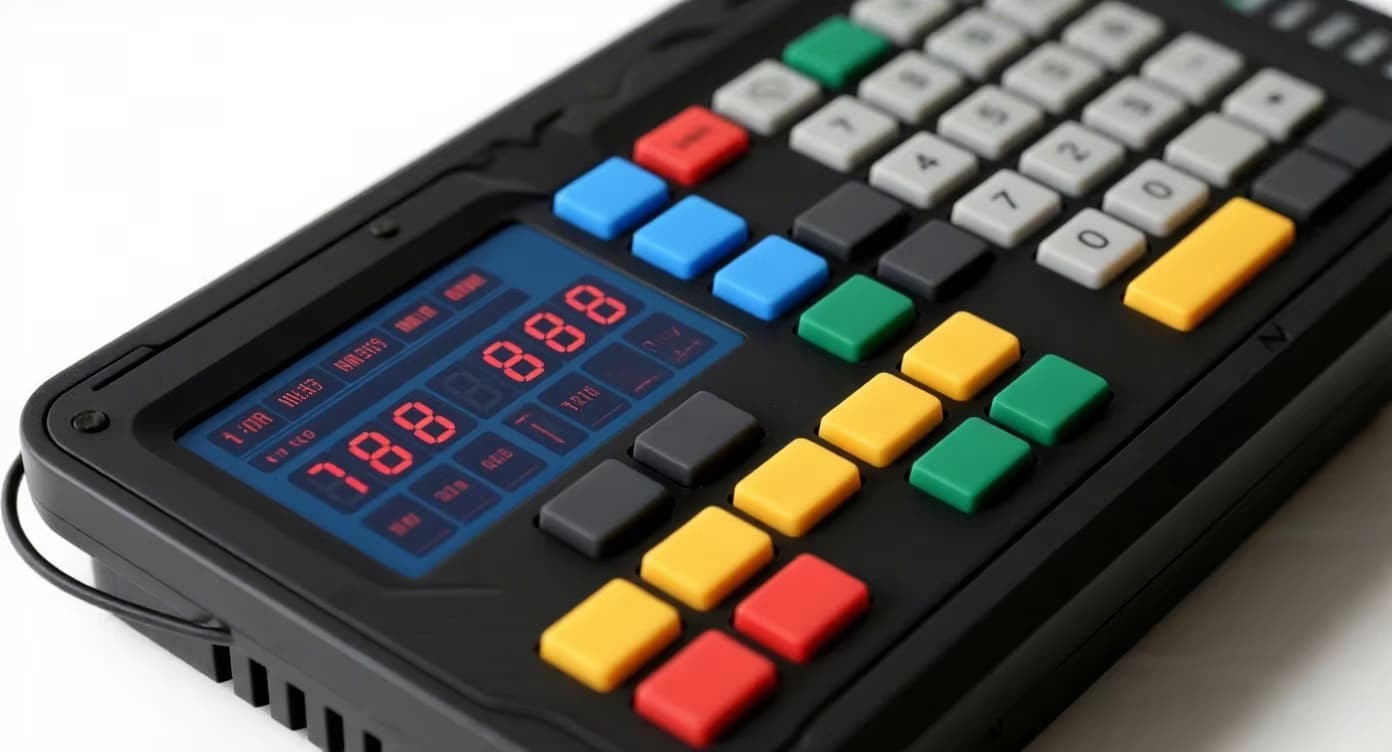
In-house tooling. A maker without its own tool room adds 2–4 weeks and a hidden markup to every design change. Ask for photos of the mold shop, not the showroom.
Certificates that match your market. ISO 9001 is baseline; ISO 13485 matters for medical, IATF 16949 for automotive, and RoHS/REACH declarations for anything entering the EU.
Lifecycle test data on file. A serious manufacturer can show you actuation-force curves and cycle-test reports (e.g., 1M cycles at 2Hz) from comparable past projects, not just promises.
Transparent tooling ownership terms. You paid for the mold — the contract should say you own it and can have it released. This single clause protects you from hostage pricing on re-orders.
Engineering English. If your DFM feedback comes back as a one-line "no problem," your risk just went up. You want questions about web thickness, venting, and pill hardness.
Sample quality before mass production. Insist on a pilot run (500–1,000 pieces) with full incoming inspection. It costs a little and saves recalls.
Getting an accurate silicone keypad quote from a manufacturer

Case study: how one buyer chose — and what happened next

A European metering company approached us in 2024 with a 12-key keypad for a residential energy monitor. They had already received quotes ranging from $0.09 to $0.42 per unit for the same drawing — a 4.6x spread, which is itself a signal that the quotes were not for the same thing.

We spent the first call not quoting, but marking up their drawing: the $0.09 quote had no two-durometer option, no laser-etched legends (silkscreen only, which fails their 500k-cycle abrasion spec), and no post-cure documentation. The $0.42 quote included gold-coated pills nobody needed. The final FromRubber design landed at $0.21/unit at 50k volume with $2,150 tooling — mid-range price, but the only quote that met the abrasion and lifecycle spec. The product has been in the field for over a year with a keypad-related return rate under 0.1%.
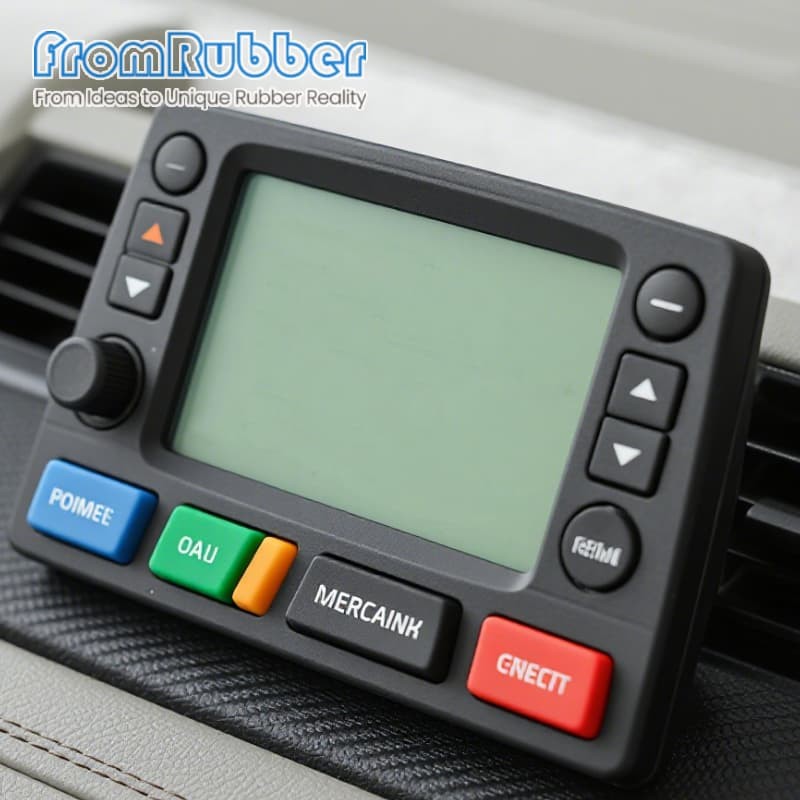
Automotive and medical grade silicone keypad manufacturing

The data: what separates manufacturer tiers in practice

Evaluation point Tier 1 volume house Tier 2 specialist (FromRubber tier) Tier 3 workshop
MOQ 100k+ 500–1,000 100
Tooling cost (typical) $5,000–$20,000 $800–$8,000 $300–$1,500
Tooling lead time 4–8 weeks 2–4 weeks 1–2 weeks
DFM engineering feedback Limited below top accounts Standard on every project Rarely
Lifecycle test reports Yes Yes (on request, per project) No
Best fit Consumer mass production Instruments, POS, medical, automotive Throwaway prototypes

Our suggestion: shortlist 3 manufacturers, send the same drawing pack to all of them, and score the quality of their questions — not just their prices. The manufacturer who pushes back on your drawing is the one who will still be answering your emails in year three.

Related questions
How much does it cost to custom manufacture a silicone rubber keypad? →
Tooling, unit price, and volume breakpoints explained with real numbers.
What is the typical lead time and MOQ for custom silicone rubber keypads? →
From DFM review to mass production, week by week.
Who owns the silicone keypad mold after tooling is completed? →
Tooling ownership terms and how to protect your re-order pricing.
CONTACT US →
FromRubber – custom silicone rubber keypads for instrument and industrial OEMs

Are you looking for a rubber and plastic product customization solutions manufacturer?

We can quickly provide customers with market analysis, technical support and customized services.

Sign Up Out Newletter