
What actuation force tolerance (±g) ensures silicone keypad tactile consistency across batches?
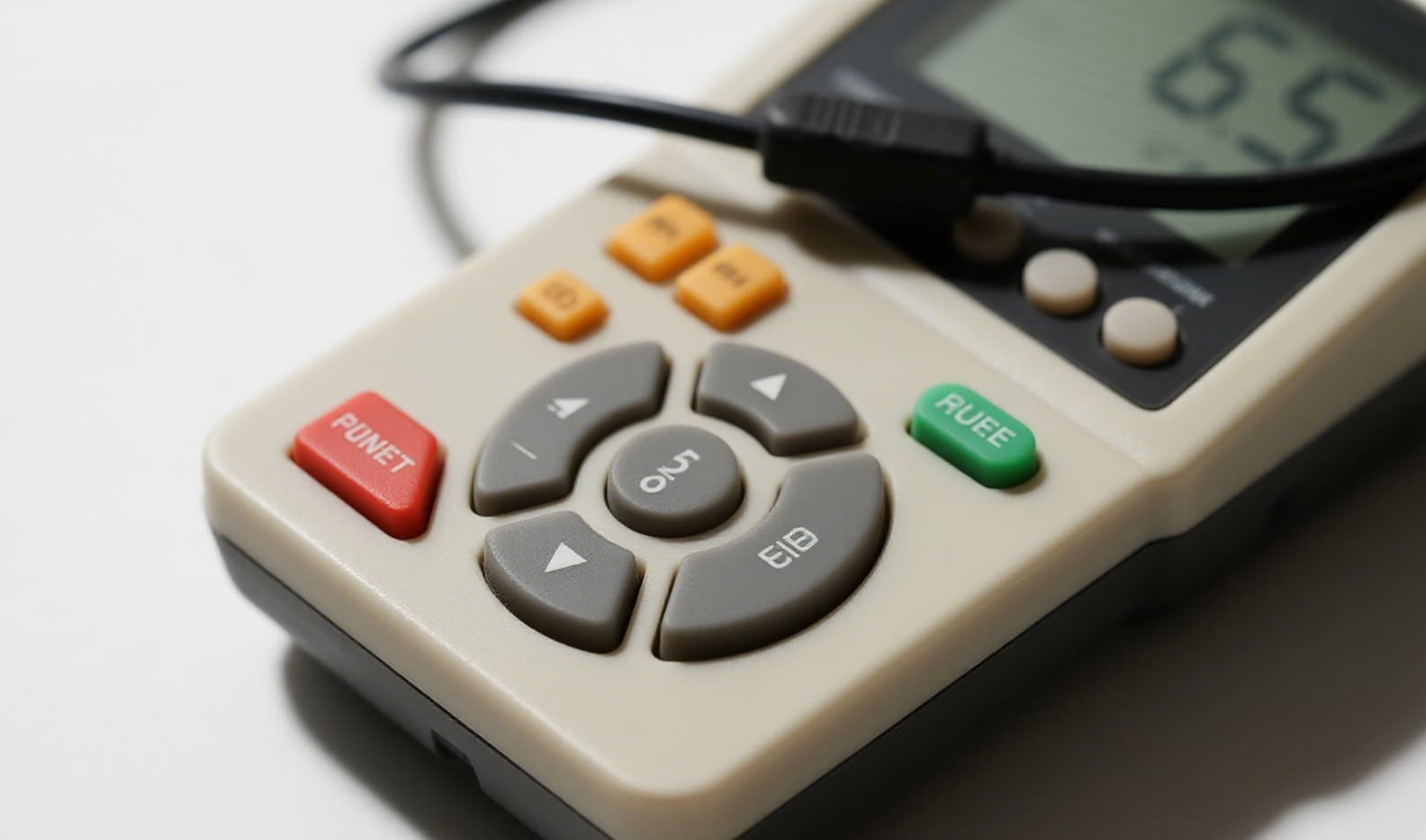
⚡ When a surgeon, lab technician, or field engineer presses a button on your instrument, they expect the same tactile response every time — regardless of which unit they use or when it was manufactured. The key to achieving this is specifying the right actuation force tolerance for your instrument silicone keypad.
Understanding Instrument Silicone Keypad Actuation Force Tolerance
Actuation force tolerance defines the acceptable range of variation around a nominal target force. For example, a specification of 180g ± 15g means the force required to activate the key can range from 165g to 195g across different keys or batches[reference:0]. The tolerance directly determines whether users perceive the keypad as consistent or erratic.
Research published in IEEE Transactions on Haptics indicates that the human fingertip can discriminate force differences as small as 5-8% at typical keypad force levels[reference:1]. This means that to maintain a truly consistent user experience, the batch-to-batch variation in actuation force should be held within ±5% of the nominal value[reference:2].
Industry Tolerance Standards for Instrument Silicone Keypad
The actuation force tolerance that ensures tactile consistency depends on the application. Industry standards provide clear guidance:
| Nominal Actuation Force | Standard Tolerance | Premium / Instrument Grade | Application Context |
|---|---|---|---|
| 50 - 60 g | ± 15 g | ± 5 g | Consumer / Light touch |
| 61 - 80 g | ± 20 g | ± 5 - 8 g | Consumer electronics |
| 81 - 100 g | ± 25 g | ± 5 - 10 g | Remote controls / Toys |
| 101 - 120 g | ± 30 g | ± 5 - 10 g | Medical devices |
| 121 - 150 g | ± 35 g | ± 5 - 10 g | Industrial controls |
| 151 - 200 g | ± 40 g | ± 10 - 15 g | Safety-critical / Automotive |
| 100 - 180 g | ± 15 - 25 g | ± 5 g | Instrumentation (Recommended) |
The table above synthesizes data from leading industry sources[reference:3][reference:4][reference:5]. For consumer applications such as remote controls and toys, standard tolerances of ±15g to ±30g are generally acceptable[reference:6]. However, for instrument silicone keypad applications where premium tactile feel is part of the brand promise, these standard tolerances are far too wide.
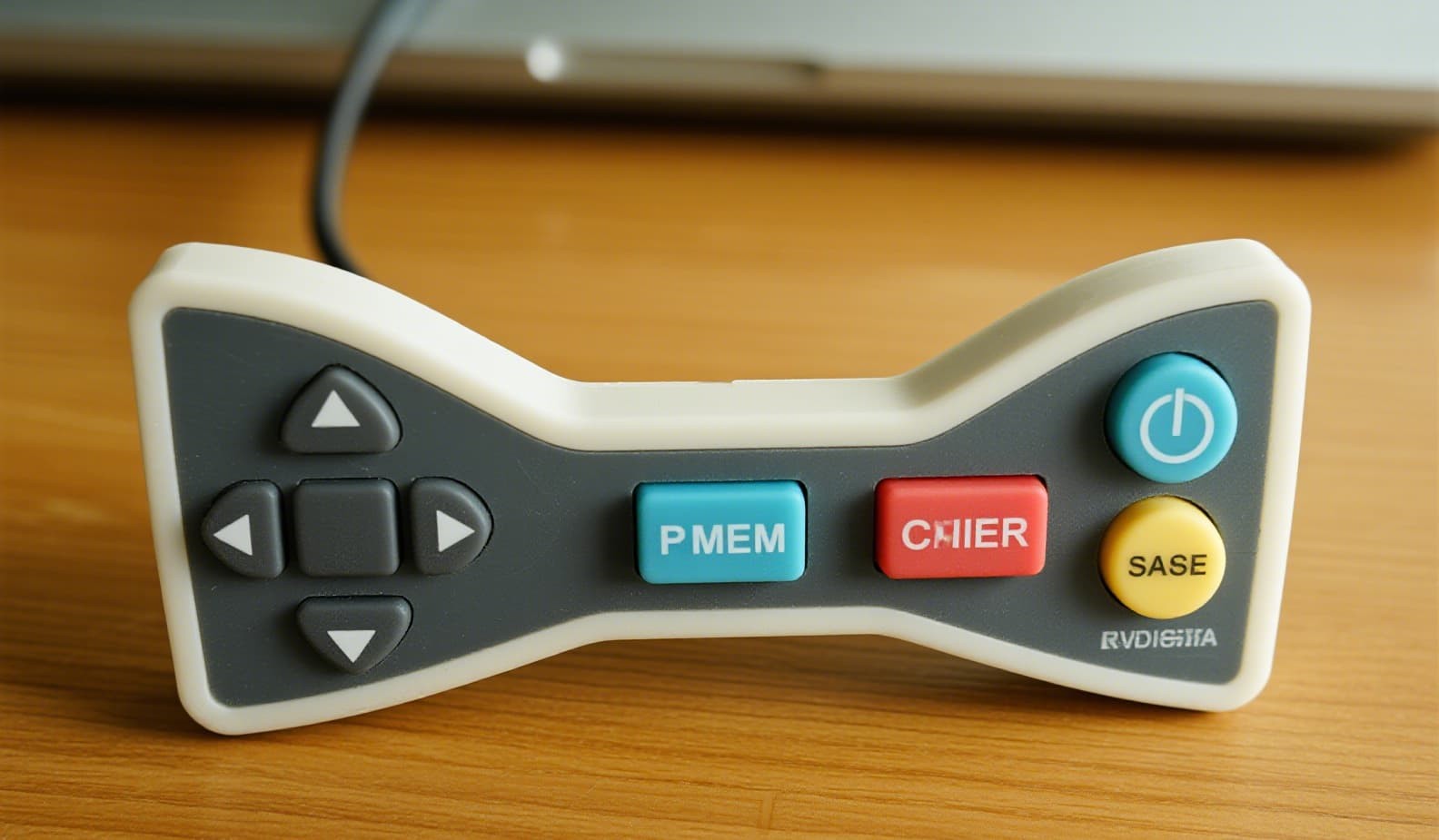
Why Standard Tolerances Fail for Instrument Silicone Keypad
Many generic silicone keypad suppliers operate with tolerances as wide as ±25g to ±40g[reference:7][reference:8]. While this may be acceptable for consumer products, it is devastating for precision instruments. A ±30g variation means that one instrument may have buttons that feel crisp and responsive, while another from a different batch feels mushy or stiff[reference:9].
A comprehensive study by the Keypad Manufacturers Association, analysing 150,000 tested keypads, found that actuation force variation within a single batch should not exceed ±10g for consumer applications and ±5g for medical or automotive applications[reference:10]. This research confirms what instrument OEMs already know: tighter tolerances are required for professional applications.
⚠ The critical insight: The human fingertip can detect force differences as small as 5-8%[reference:11]. For a 180g nominal force, this means users can perceive variations as small as 9-14g. Therefore, an instrument silicone keypad with a ±30g tolerance will always feel inconsistent to discerning users.
The Premium Standard: Instrument Silicone Keypad ±5g Tolerance
For high-end instruments where tactile consistency is part of the product's value proposition, industry leaders specify ±5g actuation force tolerance[reference:12]. This level of precision ensures that:
- Every key on every unit feels identical to the user
- Batch-to-batch variation is imperceptible
- The premium tactile experience becomes a consistent brand signature
- Field complaints about "inconsistent buttons" are eliminated
Achieving ±5g tolerance requires more than just specifying it on a drawing. It demands:
- Precision mold making with CNC machining and tight dimensional control
- Strict raw material control - silicone compound hardness must be held within ±2 Shore A[reference:13]
- Stable process parameters - curing temperature, pressure, and time must be precisely controlled[reference:14]
- 100% force-stroke curve testing - every keypad, every key, verified[reference:15]
- Wall thickness control - button web thickness must be held within ±0.05mm[reference:16]
Recommended Tolerance by Application
Based on industry standards and human factors research[reference:17][reference:18][reference:19][reference:20], the following actuation force tolerances are recommended for instrument silicone keypad applications:
- Consumer electronics (remotes, toys, small appliances): ±15g minimum, ±10g preferred
- Medical devices (diagnostic equipment, patient monitors): ±5g required[reference:21]
- Test & measurement instruments: ±5g recommended for premium feel[reference:22]
- Industrial controls (HVAC, machinery interfaces): ±10g typical, ±5g for high-end
- Automotive & safety-critical: ±5g per ISO 13850 and SAE J2464[reference:23][reference:24]
✓ FromRubber specialises in instrument silicone keypads with ±5g actuation force tolerance - six times tighter than the industry standard of ±30g[reference:25]. We achieve this through proprietary compound formulation, precision CNC tooling, and 100% force-stroke curve verification on every keypad we ship. Our customers trust us to deliver perceptibly consistent tactile feel across every batch, every unit, every key.
How to Specify Actuation Force Tolerance for Your Instrument Silicone Keypad
When defining your instrument silicone keypad specification, include these critical requirements:
- Nominal actuation force - based on your application (typically 100-250g for instruments[reference:26])
- Tolerance - specify ±5g for premium instruments, ±10g minimum
- Force-stroke curve requirements - require a full curve report with each batch
- Test method - reference ASTM F1578 with 10 mm/min test speed[reference:27]
- Inspection level - require 100% force verification, not just sampling[reference:28]
Remember: A ±5g tolerance specification is only meaningful if your supplier has the process control, measurement capability, and quality systems to deliver it consistently[reference:29].
Conclusion
The actuation force tolerance that ensures instrument silicone keypad tactile consistency across batches is ±5g for premium applications[reference:30][reference:31]. This level of precision is achievable through rigorous material control, precision tooling, stable manufacturing processes, and 100% force-stroke verification[reference:32]. While standard industry tolerances of ±25g to ±40g may be acceptable for consumer products, they are wholly inadequate for precision instruments where tactile consistency is part of the brand promise[reference:33].
By specifying and enforcing a ±5g actuation force tolerance, you ensure that every user experiences the same premium tactile feel - regardless of which unit they use or when it was manufactured. This consistency builds brand trust, reduces field complaints, and reinforces the precision image of your instrument.
g - Premium Instrument Grade
Recommended for medical, test & measurement, and automotive applications[reference:34]
g - Consumer Premium
Acceptable for high-end consumer electronics and professional tools[reference:35]
g - Industry Standard
Typical for remote controls, toys, and general-purpose keypads[reference:36]
g - Consumer Grade
Wide tolerance used by generic suppliers - not suitable for instruments[reference:37]
Are you looking for a rubber and plastic product customization solutions manufacturer?
We can quickly provide customers with market analysis, technical support and customized services.Sign Up Out Newletter
