What hardness (Shore A) do you recommend for handheld device silicone keypads?
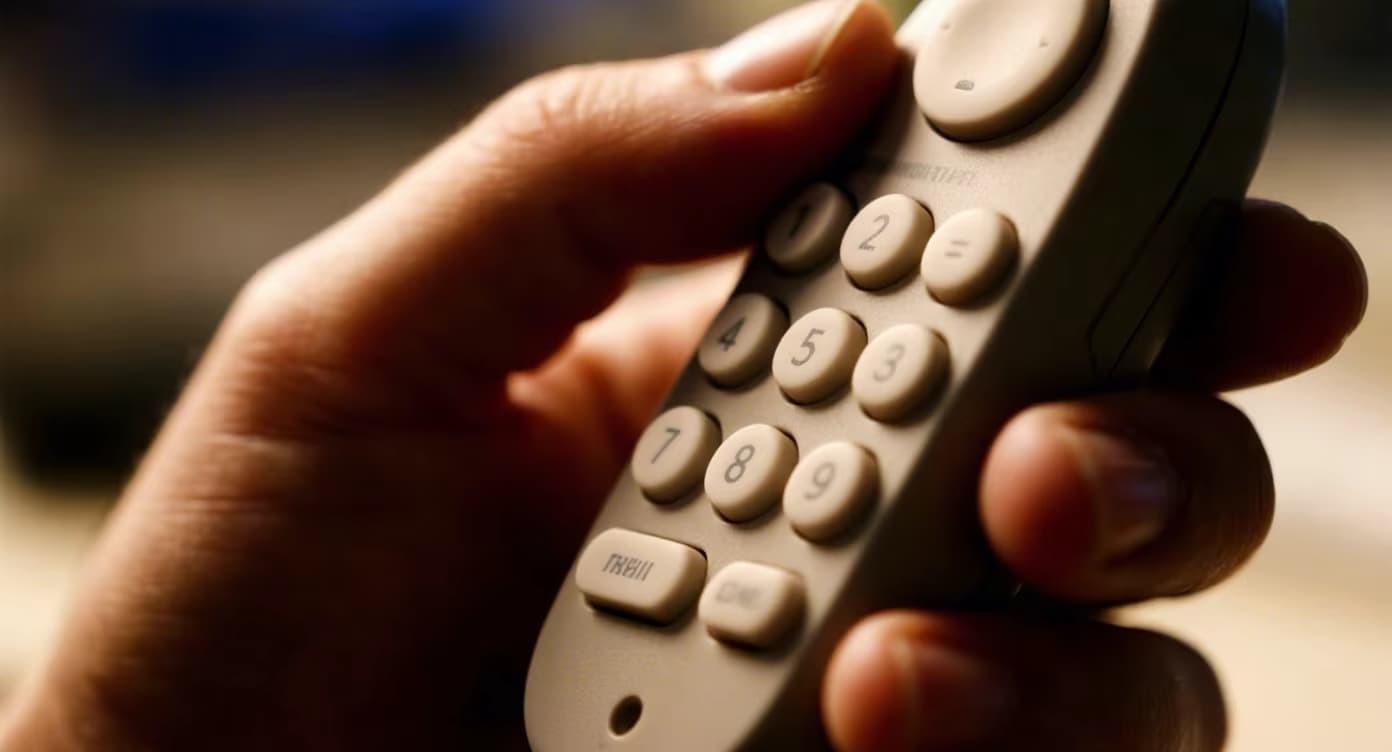
For most handheld devices — remote controls, medical pendants, game controllers, and test instruments — FromRubber recommends 60 to 70 Shore A. This range balances tactile comfort, actuation force stability, and long-term durability. However, the optimal hardness depends on key size, travel distance, snap ratio, and expected lifecycle. This guide covers everything you need to specify the right silicone hardness for your handheld product.
1. Understanding Shore A Hardness for Silicone Rubber
Shore A is the standard scale for measuring the indentation hardness of flexible rubber materials. Lower values indicate softer, more compressible silicone; higher values mean stiffer, more resistant material. For silicone keypads, hardness directly affects:
- Tactile feel – softer = more cushion, harder = crisper snap
- Actuation force – higher hardness increases required force
- Wear resistance – harder grades resist abrasion better
- Sealing capability – softer silicone conforms to uneven surfaces
2. Recommended Shore A by Handheld Device Silicone Keypads Type
TV / AV Remote Controls
60–65 Shore A — soft enough for prolonged thumb use, durable enough for 200k+ cycles.
Medical Handhelds (infusion pumps, monitors)
65–70 Shore A — balances cleanability with tactile feedback; resists repeated disinfection.
Gaming Controllers
50–60 Shore A — softer, rapid-fire buttons reduce finger fatigue; requires good snap ratio design.
Industrial Test Meters
70–75 Shore A — firmer feel for gloved operation, higher wear resistance for field use.
3. Hardness Impact on Keypad Performance Parameters
| Shore A | Typical Actuation Force (gf) | Tactile Feel | Lifecycle (cycles) |
|---|
| 40-50 | 60-100 | Very soft, mushy | 100k-200k |
| 55-65 | 100-160 | Balanced, comfortable | 200k-500k |
| 65-75 | 150-220 | Firm, crisp | 500k-1M |
| 75-85 | 200-300 | Hard, low travel | 1M+ |
Values are representative; FromRubber tunes hardness within ±3 Shore A for precise requirements.
4. Key Trade-Offs When Selecting Shore A Hardness
Softer Silicone (40-55 Shore A)
- Pros: Comfortable, low fatigue, better sealing
- Cons: Shorter lifespan, higher friction, prone to "mushy" feel
Harder Silicone (70-85 Shore A)
- Pros: Excellent durability, crisp snap, chemical resistance
- Cons: Finger fatigue, louder operation, requires stronger actuator
Why 60-70 Shore A is the Sweet Spot for Handheld Devices
FromRubber's 15+ years of data across hundreds of handheld projects shows that 60-70 Shore A consistently delivers the best balance:
- Actuation force between 120-180gf – comfortable for repeated pressing
- Sufficient stiffness to provide clear tactile feedback without being harsh
- Resists permanent compression set (less than 5% after 500k cycles)
- Compatible with both carbon pill and metal dome switching
- Works well with pad printing and laser etching adhesion
For devices with very large keys ( >15mm diameter) or needing extremely long life (>1M cycles), we recommend moving to 70-75 Shore A and adjusting web geometry accordingly.
5. How FromRubber Validates Hardness Choices
We don't guess. Every hardness recommendation is confirmed with:
Durometer testing (ASTM D2240)
Compression set (ASTM D395)
Force-deflection curves
Lifecycle actuation testing
We also provide sample keypads in 2-3 hardness variants so you can test the actual feel before mass production.
Need the Right Hardness for Your Handheld Device?
FromRubber offers free hardness recommendation based on your key dimensions, target force, and expected lifecycle. Over 15 years of handheld silicone keypad expertise.
sales@fromrubber.com | fromrubber.com | ISO 9001:2025
For handheld device silicone keypads, FromRubber recommends 60-70 Shore A as the optimal hardness range — balancing comfort, tactile response, and durability. Contact our engineering team to discuss your specific actuation force and lifecycle targets.