
How is a hair dryer silicone nozzle different from a regular plastic one?
You've seen silicone nozzles popping up in salons and online stores, but are they really different from the plastic concentrator that came with your dryer? The short answer: fundamentally, yes. From material properties to thermal behavior and styling precision, silicone nozzles represent a complete rethinking of what a dryer attachment can do. Here's the detailed breakdown.
At a glance: silicone vs. plastic
Silicone: stays cool
Plastic: gets hot
Silicone: laminar
Plastic: turbulent
Silicone: non-porous
Plastic: porous over time
Silicone: bends
Plastic: rigid
7 ways hair dryer silicone nozzle outperform plastic
1. Thermal conductivity
Silicone: Low thermal conductivity means the exterior stays cool to the touch even when directing hot air. You can hold it close to the scalp without burning skin.
Plastic: High thermal conductivity — the nozzle absorbs heat and can reach 150°F+, posing burn risk.
2. Airflow pattern
Silicone: Precision-engineered interior surface creates laminar (smooth) airflow. Air exits in a concentrated, even stream that reduces frizz and speeds drying.
Plastic: Mold seams and material inconsistencies create turbulent airflow, which scatters heat and increases friction on hair cuticles.
3. Mechanical flexibility
Silicone: The tip is gently flexible, allowing you to tap, scrunch, or angle it for precise styling — especially useful for curls and bangs.
Plastic: Completely rigid. If you bump it against your head, it hurts. No give means less control.
4. Impact resistance
Silicone: Bounces when dropped. Won't crack, shatter, or deform. Ideal for busy salons.
Plastic: Brittle — drops can cause cracks or breakage at the attachment point.
5. Bacterial resistance
Silicone: Non-porous, so product residue, dust, and bacteria cannot penetrate. Dishwasher safe or easily sanitized with alcohol.
Plastic: Microscratches from cleaning create pores where bacteria and mold can grow.
6. Chemical stability
Silicone: Inert — won't react with hair products, heat protectants, or styling sprays. No degradation over time.
Plastic: Some plastics can degrade with exposure to alcohol or high heat, becoming sticky or brittle.
7. Weight and ergonomics
Silicone: Lightweight and slightly grippy — easier to hold and maneuver, even with wet hands.
Plastic: Can be slippery when wet; some cheap plastics add unnecessary weight.
Detailed specification comparison
"I switched all my salon dryers to silicone nozzles. The difference in client comfort and styling precision is night and day. No more burned scalps, and my color-treated clients notice less frizz immediately."
— Marcus Chen, Celebrity Stylist
Is silicone worth the investment?
While silicone nozzles typically cost 2-3x more than basic plastic ones, their durability and performance justify the price. A single FromRubber silicone blowpipe lasts through dozens of plastic nozzles, provides better hair health outcomes, and never needs replacement due to cracking or warping. For professionals, the ROI is clear: happier clients, better results, and one less thing to repurchase.
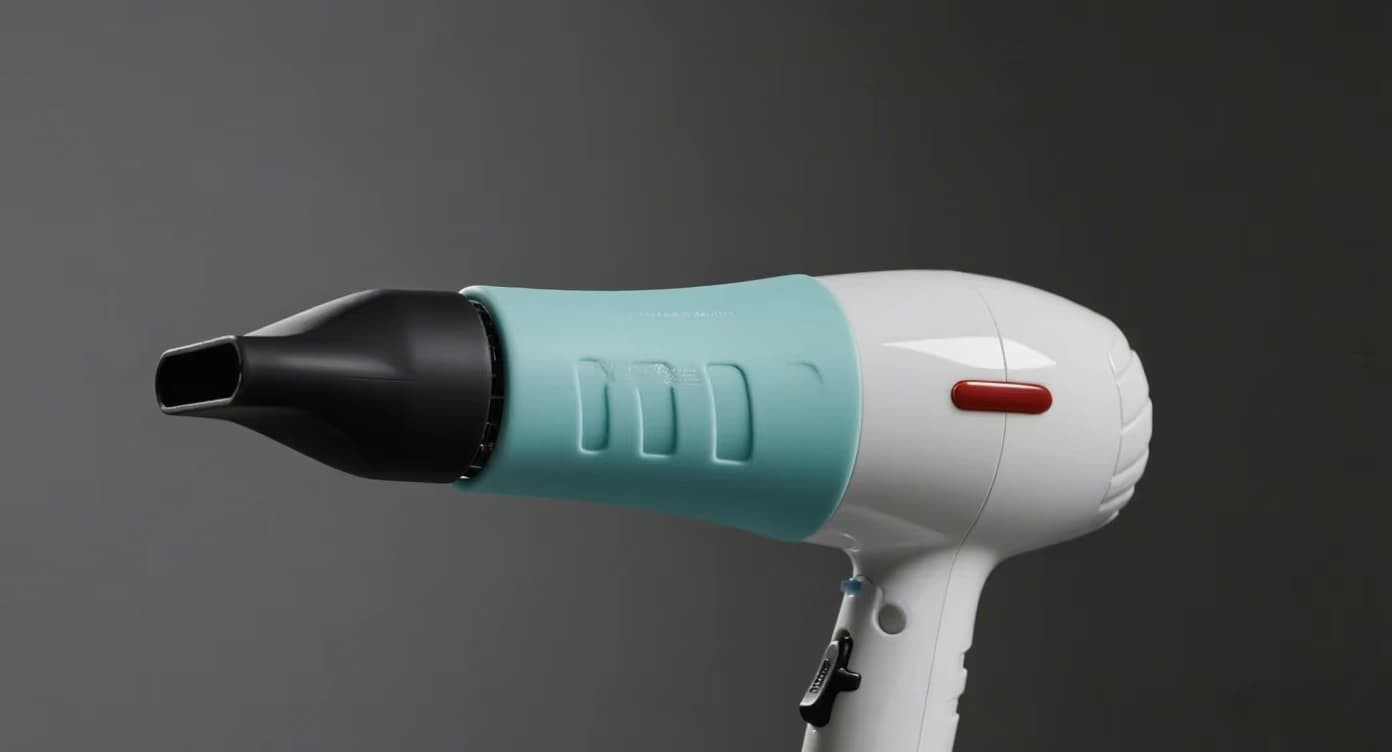
FromRubber: custom silicone nozzle manufacturing
We don't just make standard nozzles — we engineer custom solutions for brands and salons:
- Custom orifice shapes — from pinpoint to wide oval.
- Branded colors & logos molded directly.
- Dual-material options (soft tip + rigid base).
- Universal fit sleeves for any dryer model.
📩 nani@fromrubber.com — let's design your signature nozzle.
Maximizing nozzle lifespan
The difference isn't subtle — silicone nozzles are safer, more precise, and more hygienic. Once you try one, you'll understand why plastic is becoming obsolete.
FromRubber — precision silicone engineering for beauty professionals.
Are you looking for a rubber and plastic product customization solutions manufacturer?
We can quickly provide customers with market analysis, technical support and customized services.Sign Up Out Newletter
